Vinyl Flooring in the Basement – A Practical and Moisture-Resistant Solution

Vinyl Flooring in the Basement – A Practical and Moisture-Resistant Solution
Basements can be some of the trickiest spaces in a home when it comes to choosing the right flooring. They’re often cooler, more humid, and prone to moisture seeping through the concrete slab. That’s why it’s important to select a floor that can handle these conditions while still creating a comfortable and attractive living area. In recent years, vinyl flooring has become a popular choice for American homeowners finishing or remodeling their basements—and for good reason. It combines durability, water resistance, and style in one affordable package.
Why Vinyl Flooring Works Well in Basements
Vinyl flooring is made from synthetic materials that make it highly resistant to moisture and temperature fluctuations. Unlike hardwood, which can warp or swell when exposed to humidity, vinyl remains stable. This means fewer worries about cracks, buckling, or discoloration—common issues in below-grade spaces.
Another advantage is comfort. Vinyl feels warmer and softer underfoot than tile or concrete, which can make a big difference in a basement that tends to stay cool. Many homeowners also install vinyl over radiant floor heating systems, as the material conducts heat efficiently and enhances comfort year-round.
Types of Vinyl Flooring to Consider
There are several types of vinyl flooring, and the best choice depends on how you plan to use your basement:
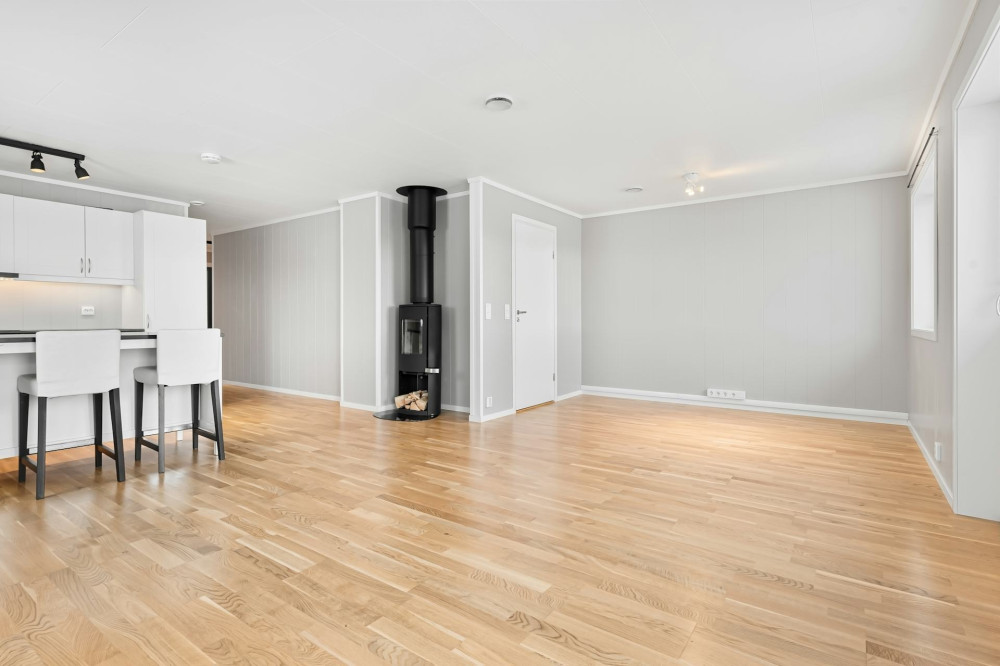
- Luxury Vinyl Plank (LVP) – Designed to mimic the look of hardwood, LVP clicks together for a floating installation. It’s easy to install, requires no glue, and works well in living areas, home offices, or playrooms.
- Luxury Vinyl Tile (LVT) – Offers the appearance of stone or ceramic tile with a warmer, softer feel. It can be installed with or without grout lines for a realistic look.
- Sheet Vinyl – Comes in large rolls that create a nearly seamless surface, making it an excellent option for laundry rooms, workshops, or larger basement spaces where water resistance is a top priority.
- Glue-Down Vinyl – Adhered directly to the subfloor for maximum stability. This is a good choice for high-traffic or utility areas.
No matter which type you choose, make sure the product is rated for below-grade installation. Manufacturers typically specify whether a vinyl floor is suitable for basements.
Preparing the Subfloor
Proper preparation is key to a long-lasting installation. Most basements have concrete subfloors, which should be clean, level, and free of cracks before laying vinyl. If there’s any sign of moisture coming through the slab, it’s essential to install a vapor barrier—usually a plastic moisture membrane—before the flooring goes down.
For floating vinyl floors, an underlayment can help smooth out minor imperfections and reduce sound transmission. It also adds a bit of cushioning, making the floor more comfortable to walk on.
Maintenance and Cleaning
One of vinyl’s biggest advantages is its low maintenance. Regular sweeping or vacuuming and an occasional damp mop are usually all that’s needed to keep it looking great. Avoid harsh chemicals or abrasive cleaners; instead, use mild, pH-neutral products designed for vinyl surfaces.
Vinyl is also resistant to stains and scratches, making it ideal for active households. Whether your basement serves as a family room, gym, or hobby space, vinyl can handle everyday wear and tear with ease.
Design and Aesthetic Options
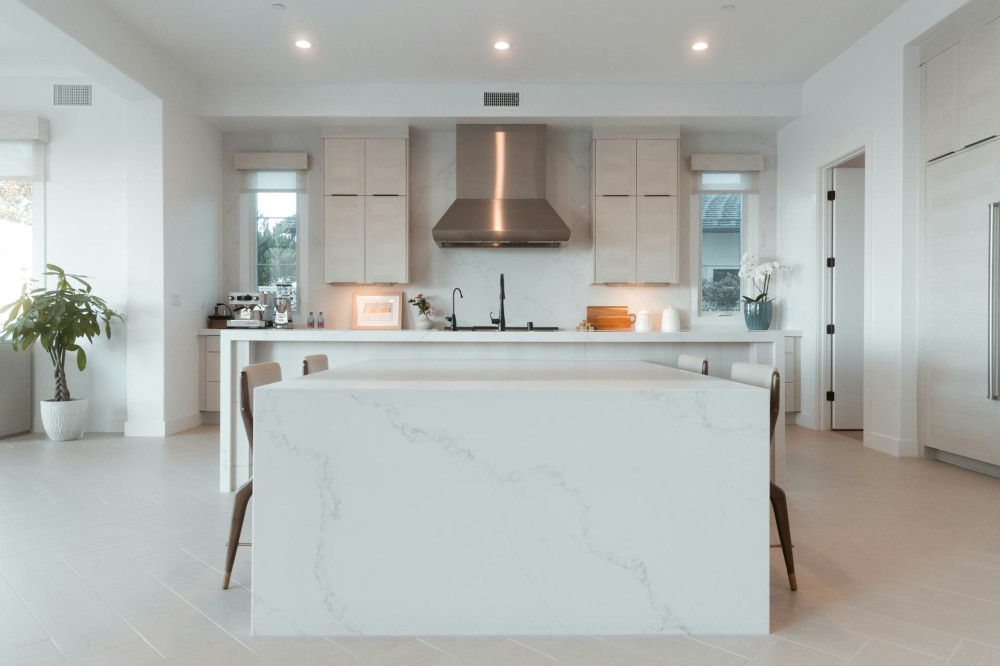
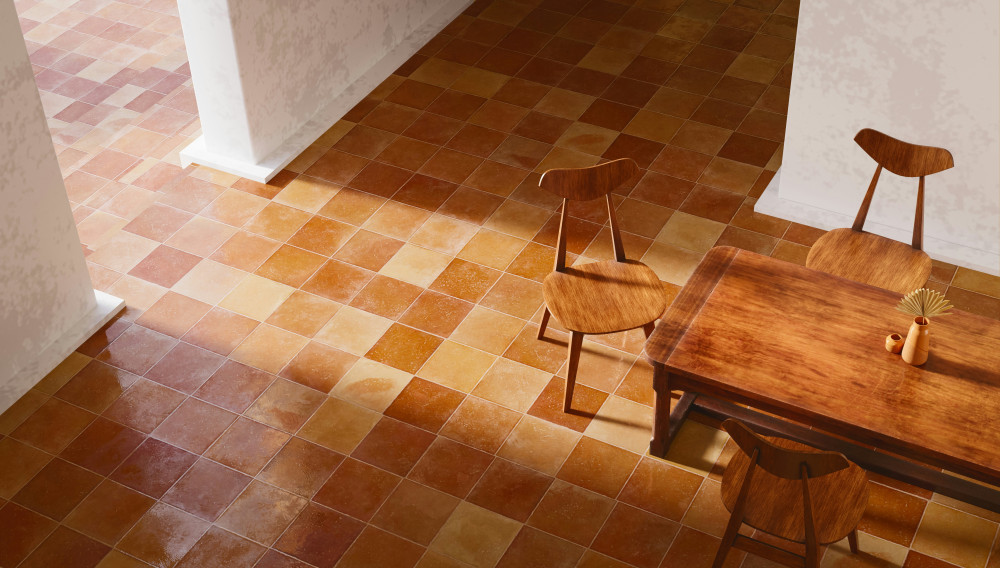
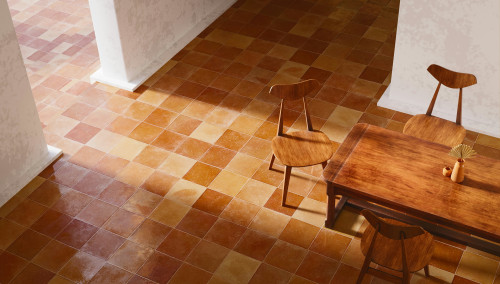
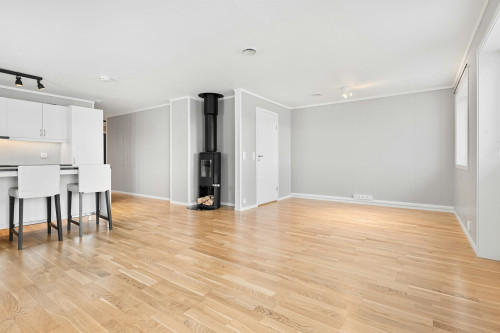
Today’s vinyl flooring comes in a wide range of designs, from realistic wood and stone patterns to sleek, modern finishes. This versatility allows you to create the exact look you want—whether you’re going for a cozy den, a home theater, or a stylish laundry area.
Modern vinyl products feature textured surfaces and matte finishes that closely resemble natural materials, giving you the beauty of wood or stone without the maintenance challenges. You can even mix styles or patterns to define different zones within your basement.
Læs også:

A Smart, Long-Term Investment
Installing vinyl flooring in your basement is more than just a practical decision—it’s an investment in your home’s comfort and functionality. It offers a clean, modern appearance, stands up to moisture, and can last for many years when properly installed. Compared to other flooring options, it’s also a cost-effective solution that delivers excellent value.
If you’re looking for a basement floor that’s durable, easy to maintain, and stylish, vinyl flooring is a smart and moisture-resistant choice that will serve your home well for years to come.
Læs også: