Combine Design Floors Harmoniously Throughout Your Home


Combine Design Floors Harmoniously Throughout Your Home
Design floors have become a favorite choice in modern American homes—not only for their beauty but also for their durability and versatility. With a wide range of materials, colors, and finishes available, you can create a cohesive look that ties your spaces together while reflecting your personal style. But how do you mix different flooring types without making your home feel disjointed? Here are some ideas and practical tips for achieving a harmonious floor design throughout your home.
Think About the Big Picture First
When planning new floors, it’s easy to focus on what looks best in each individual room. However, to create a sense of flow and unity, it’s important to think about the home as a whole. Consider how the rooms connect—both visually and functionally.
A good starting point is to choose a consistent color palette or material that appears in multiple areas. For example, you might use a warm oak tone, a cool gray concrete look, or a light, natural finish that complements your home’s overall aesthetic. This approach helps create a seamless transition from one space to another, even if the flooring materials differ.
Create Natural Transitions
Transitions between flooring types can be tricky, but they also offer an opportunity to add a thoughtful design element. Instead of hiding the transition, highlight it with a subtle threshold, a flush transition strip, or a pattern that visually connects the two surfaces.
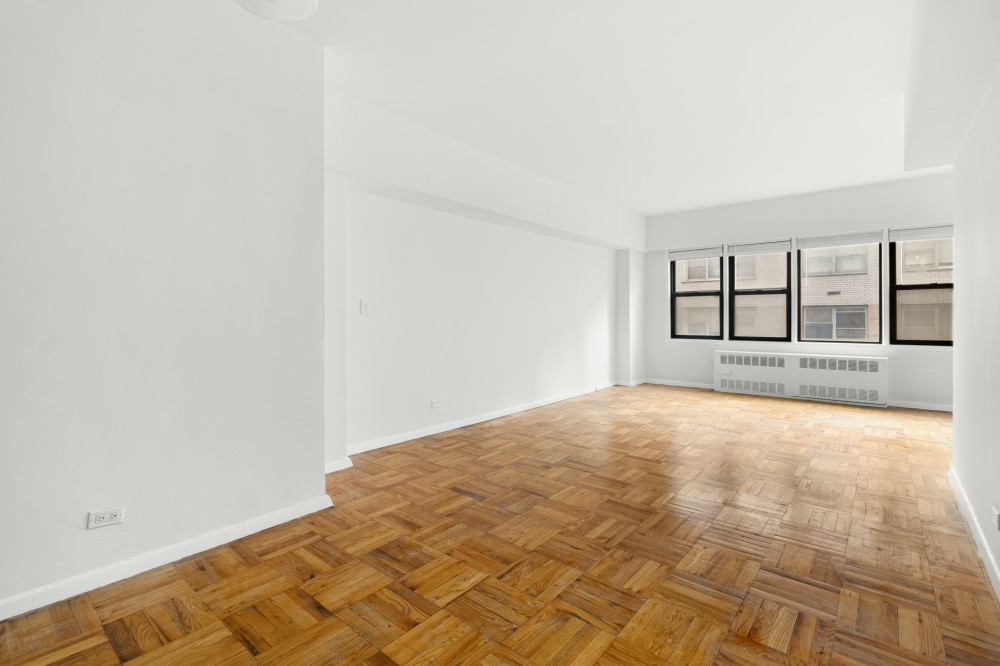
If you’re combining hardwood in the living room with tile in the kitchen, choose tiles that echo the undertones of the wood. This creates a calm, balanced look. In open-concept spaces, you can even let materials meet in organic shapes or diagonal lines for a more dynamic effect.
Match Style and Function
Different rooms have different flooring needs. Entryways and kitchens require materials that can handle moisture and heavy foot traffic, while living rooms and bedrooms call for warmth and comfort. The good news is that you don’t have to sacrifice style for practicality.
- Luxury vinyl and laminate floors come in designs that mimic wood, stone, or tile—and they’re easy to maintain.
- Hardwood floors bring warmth and character but may need more care.
- Tile floors are ideal for bathrooms, laundry rooms, and kitchens where durability and water resistance are key.
By choosing materials that visually complement each other, you can maintain a consistent design language throughout your home, even as you meet different functional needs.
Læs også:
Use Color and Texture Intentionally
Color and texture play a major role in how a space feels. Light floors make rooms appear larger and more open, while darker tones add depth and coziness. Mixing matte and glossy finishes can add visual interest without overwhelming the space.
A helpful tip is to stay within the same color family. For instance, if you have light oak floors in your living room, consider beige or sand-colored tiles in the kitchen. This creates variation while maintaining harmony.
Consider Acoustics and Comfort
When combining flooring types, think about how they affect sound and comfort. Hard surfaces like tile and concrete can amplify noise, while wood and vinyl help absorb it. In large, open spaces, area rugs or acoustic underlayment can make a big difference in creating a pleasant sound environment.
Comfort underfoot also matters. A soft vinyl floor in a bedroom or playroom can feel warmer and more forgiving than tile, while still being practical for everyday life.
Tie It All Together with Details
Small details can make a big impact on the overall look. Baseboards, thresholds, and trim should be chosen to support the transitions between flooring types. You can match them to the wall color for a subtle effect or use contrasting tones to highlight the character of each room.
Lighting also plays a role: warm lighting enhances the richness of wood tones, while cooler lighting emphasizes the sleekness of stone or concrete finishes. By thinking holistically, you can ensure that your design floors complement each other across rooms and moods.
A Home with Balance and Personality
Combining design floors is about more than just aesthetics—it’s about creating a home that feels cohesive, balanced, and uniquely yours. When you choose materials, colors, and transitions with care, you’ll achieve a result that’s both beautiful and functional. Harmony lies in the details and the overall vision—and that’s what transforms a house into a home.
Læs også: