Tile Flooring in the Basement: How to Choose the Right One

Tile Flooring in the Basement: How to Choose the Right One
Installing tile flooring in your basement can be both practical and stylish—but only if you choose the right materials and prepare properly. Basements have unique conditions that differ from the rest of the house, including higher humidity, cooler temperatures, and potential moisture issues. Here’s a guide to help you select the best tile flooring for your basement, from assessing the space to choosing materials and ensuring long-term durability.
Understand Your Basement’s Challenges
Before picking out tiles, it’s important to understand what makes basements different. Many basements in the U.S. are below grade, meaning they’re partially or fully underground. This can lead to moisture seeping through concrete slabs or condensation forming on cool surfaces.
If your basement has any signs of dampness, leaks, or musty odors, address those issues first. You may need to install a vapor barrier, improve drainage around your foundation, or use a dehumidifier. Laying tile over a damp surface can lead to loose tiles, efflorescence, or even mold growth.
Choosing the Right Tile Type
Once your basement is dry and stable, it’s time to choose the right tile for your needs and style.
- Porcelain tile is one of the best options for basements. It’s dense, water-resistant, and durable, making it ideal for areas that may experience occasional moisture or temperature changes.
- Ceramic tile is a good choice for basements that stay dry. It’s affordable, easy to clean, and available in countless designs, though it’s slightly more porous than porcelain.
- Natural stone tile such as slate, granite, or travertine can add a high-end look, but it requires sealing and regular maintenance to protect against moisture and staining.
No matter which type you choose, look for tiles with a slip-resistant surface, especially if the basement includes a laundry area, bathroom, or entry from outdoors.
Læs også:

Preparing the Subfloor
A tile floor is only as good as the surface beneath it. Most basement floors are concrete, which must be clean, level, and dry before installation.
If the concrete is uneven, use a self-leveling compound to create a smooth surface. For moisture protection, consider applying a vapor barrier or moisture-control membrane before laying tile. This step is especially important in older homes or regions with high groundwater levels.
Use a flexible thin-set mortar and grout designed for areas with potential movement or temperature fluctuations. These products help prevent cracking and ensure a long-lasting installation.
Consider Radiant Floor Heating
Tile can feel cold underfoot, particularly in a basement. Installing radiant floor heating beneath your tile can make the space much more comfortable. Electric systems are easy to install in smaller areas, while hydronic (water-based) systems are more energy-efficient for larger basements. Proper installation ensures even heat distribution and helps reduce humidity levels.
Style and Design
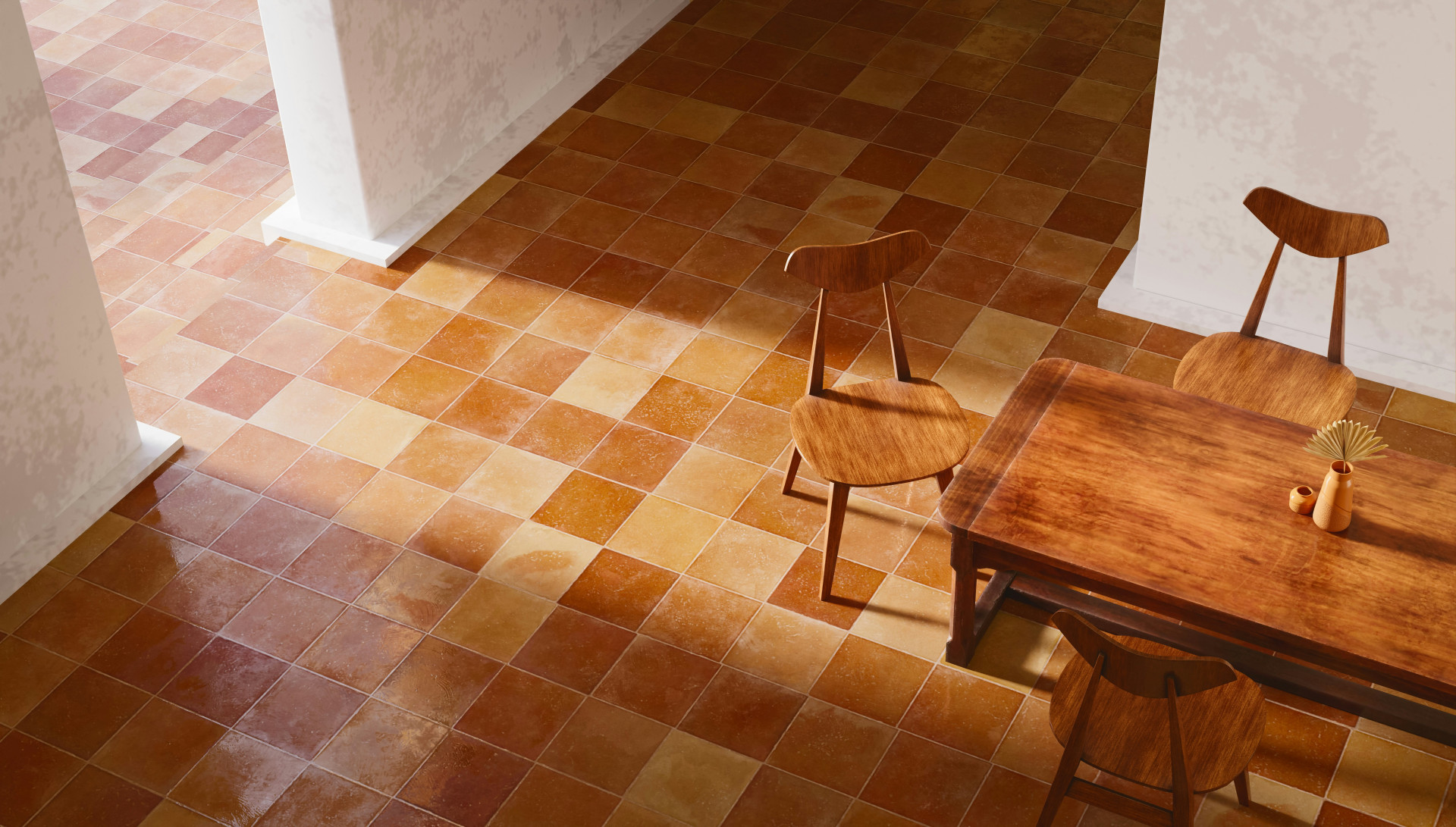
Basement tile doesn’t have to be purely functional—it can also enhance the look and feel of the space. Large-format tiles can make small rooms appear more open, while smaller tiles or mosaics can add texture and visual interest.
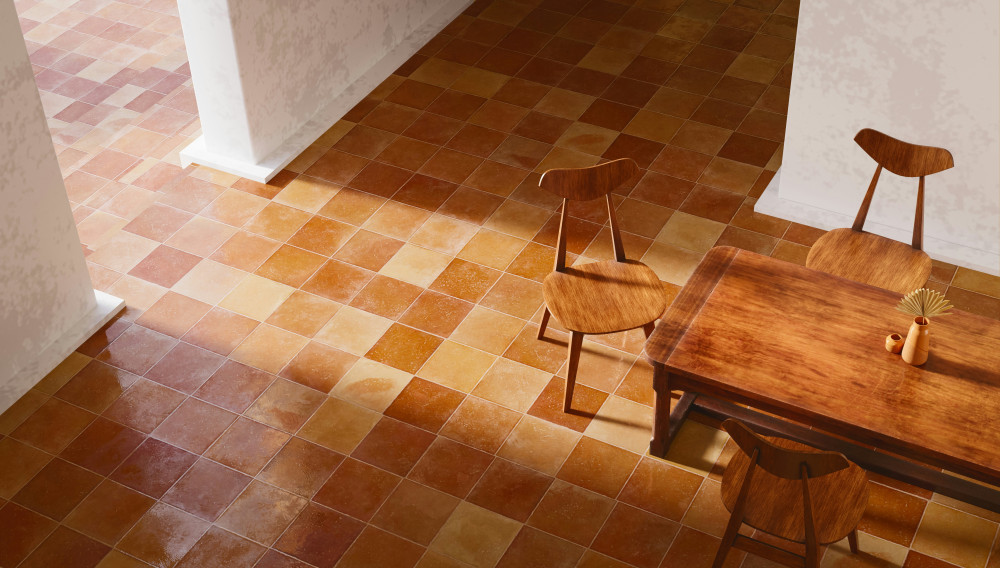
Choose colors and finishes that suit the room’s purpose. For a family room or home office, warm tones and matte finishes create a cozy atmosphere. For a laundry or utility area, light-colored tiles with a smooth finish make cleaning easier and brighten the space.
Maintenance and Longevity
A properly installed tile floor requires minimal upkeep. Sweep or vacuum regularly to remove dirt and grit, and mop with a mild cleaner. Avoid harsh chemicals or acidic products that can damage grout or stone surfaces.
If you’ve chosen natural stone, reseal it periodically to maintain its resistance to moisture and stains. Inspect grout lines occasionally and repair any cracks early to prevent water infiltration.
A Basement Floor That Lasts
Tile flooring can transform your basement into a comfortable, durable, and attractive part of your home. The key is to choose materials suited to the basement’s environment and to ensure proper preparation and installation. With the right approach, your basement tile floor will stand up to moisture, wear, and time—adding both beauty and value to your home for years to come.
Læs også: