New Flooring Materials with Improved Wear Resistance

New Flooring Materials with Improved Wear Resistance
Floors are among the most heavily used surfaces in any building. Every day they endure foot traffic, furniture movement, cleaning, and sometimes even heavy equipment. That’s why the development of new flooring materials with improved wear resistance has become a key focus for researchers, manufacturers, and builders alike. Recent advances in material science have led to significant progress—not only in durability but also in sustainability and design versatility.
Advanced Composites and Hybrid Materials
One of the most promising trends is the rise of composite flooring, where multiple materials are combined to take advantage of their best properties. For example, a core made from mineral-reinforced vinyl can provide high compressive strength, while a surface layer infused with ceramic particles enhances scratch and abrasion resistance.
Hybrid floors, which merge the benefits of laminate and vinyl, are also gaining popularity in the U.S. market. They are water-resistant, dimensionally stable under temperature changes, and tough enough to withstand heavy use in high-traffic areas such as retail stores, offices, and schools.
Surface Treatments Using Nanotechnology
Nanotechnology has opened new possibilities for creating surfaces that are far more resilient than traditional coatings. By incorporating nanoparticles into finishes and sealants, manufacturers can achieve a self-healing effect, where microscopic scratches gradually close over time. This extends the floor’s lifespan and reduces maintenance needs.
Nanocoatings can also make surfaces more resistant to dirt and liquids, preventing stains and moisture from penetrating the material. This is particularly valuable in environments such as hospitals, restaurants, and educational facilities, where hygiene and easy cleaning are essential.
Sustainability and Recyclable Materials
Improved wear resistance is not just about longevity—it’s also about sustainability. The longer a floor lasts, the fewer resources are consumed over time. Flooring producers are therefore focusing on materials that are both durable and environmentally responsible.
Examples include bio-based polymers that replace traditional plastics in vinyl and linoleum flooring. At the same time, more products are being designed for a circular economy, allowing planks and tiles to be disassembled and recycled at the end of their service life. Some U.S. manufacturers are even developing take-back programs to ensure materials are reused rather than discarded.
Læs også:
Testing and Certification of Wear Resistance
To verify performance improvements, standardized testing methods are used to measure resistance to scratching, pressure, and abrasion. In laboratories, flooring samples are subjected to rotating brushes, sandpaper, and weighted loads to simulate years of use. Results show that the latest materials can achieve up to 50% longer service life compared to conventional flooring types.
This translates into fewer replacements and lower long-term maintenance costs for homeowners, facility managers, and commercial property owners.
Design and Aesthetic Versatility
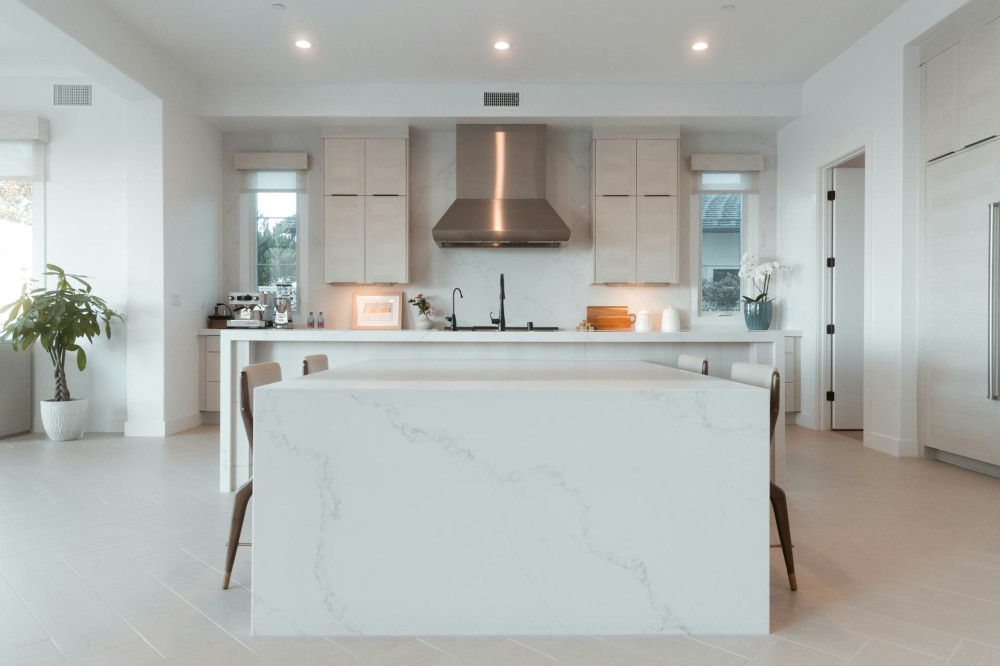
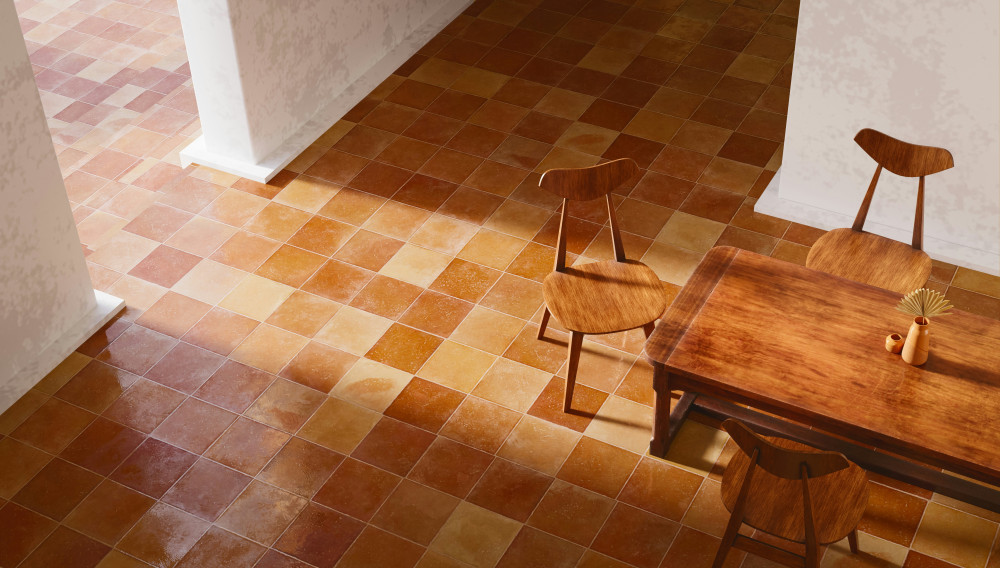
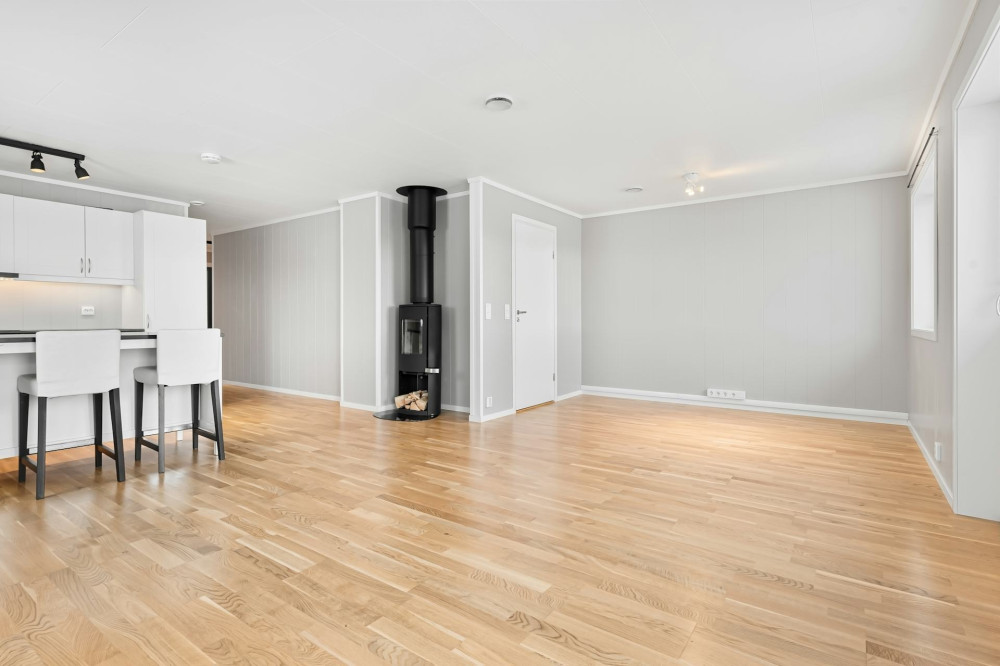
While technical performance is crucial, design remains a major consideration. Today’s wear-resistant flooring materials come in a wide range of colors, patterns, and textures—from realistic wood and stone looks to sleek, modern finishes. This allows architects and interior designers to combine functionality with aesthetic appeal without compromising durability.
The Future of Durable Flooring
The next generation of flooring is expected to be not only stronger but also smarter. Researchers are exploring embedded sensor technologies that can monitor load, moisture, and temperature within the flooring system. Such innovations could provide valuable data for predictive maintenance and energy management in buildings.
With the combination of advanced materials, sustainable production, and intelligent design, the flooring industry is entering a new era—one where wear resistance is not just a technical feature but an integral part of a smarter, more sustainable built environment.
Læs også: