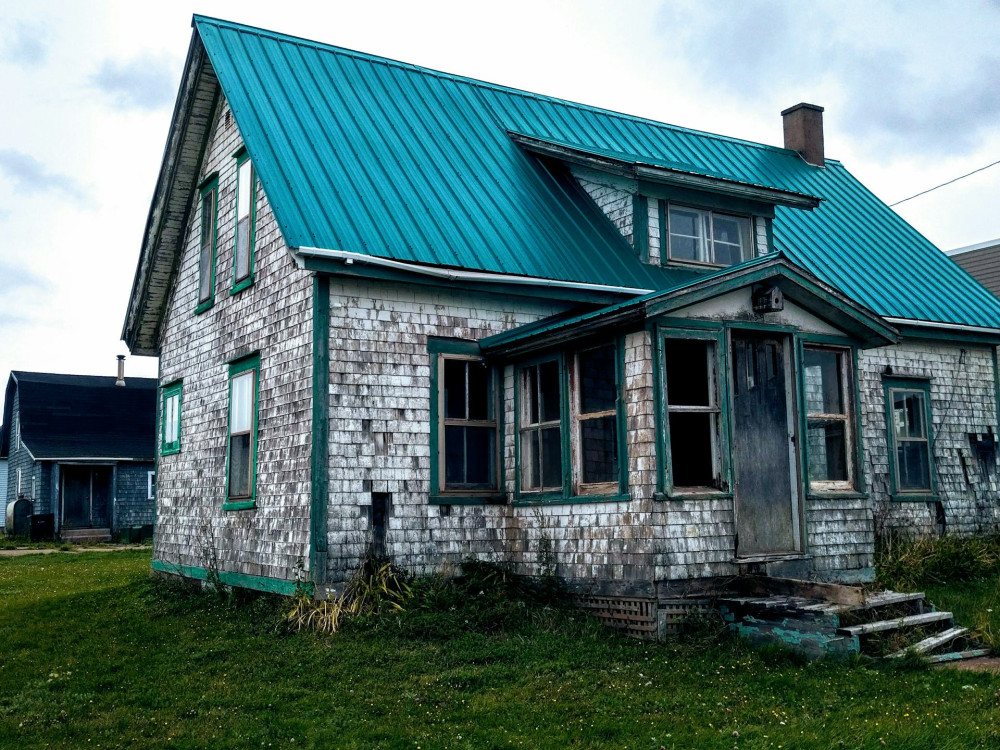
Secure the Roofing Underlayment Properly – Prevent Wind Damage

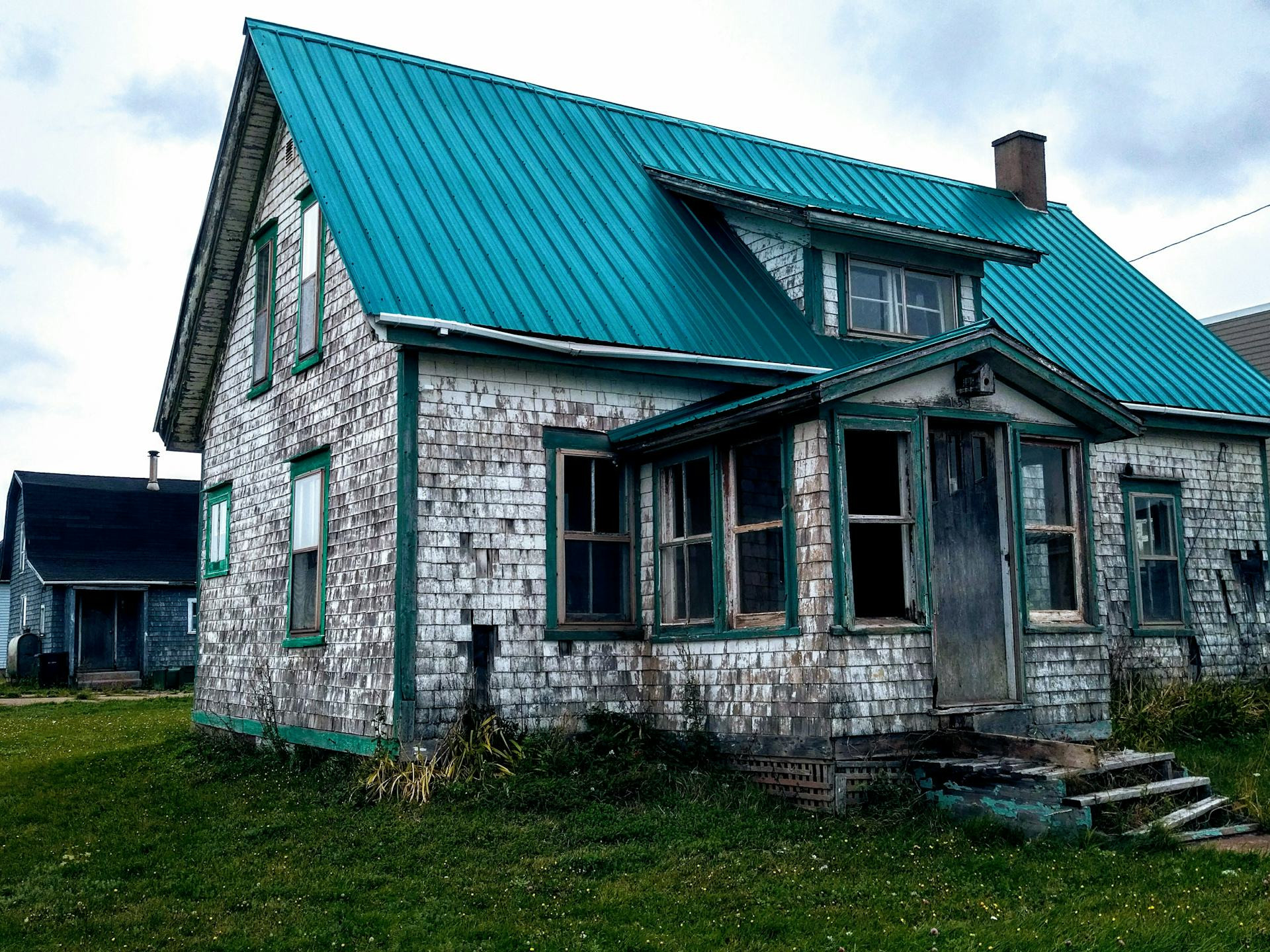
Secure the Roofing Underlayment Properly – Prevent Wind Damage
Roofing underlayment is one of the most important yet often overlooked components of a roof system. It serves as the home’s final barrier against rain, snow, and wind if the outer roofing material fails. But even the best underlayment can lose its protective power if it isn’t installed and secured correctly. Improper fastening can allow wind to lift or tear the underlayment, leading to leaks and costly repairs. Here’s a practical guide to ensuring your underlayment stays in place and performs for years to come.
Why Proper Fastening Matters
Your roof must withstand both positive and negative wind pressures that occur as air moves across it. If the underlayment isn’t properly secured, wind can pull at the material, causing it to loosen or tear around nails and staples. Once that happens, water can infiltrate the roof deck, leading to rot, mold, and structural damage.
A properly fastened underlayment ensures:
- Protection against rain and snow, even if shingles or tiles blow off.
- Stability in high winds, preventing flapping or tearing.
- Longer service life, since the material won’t wear prematurely from movement or stress.
Læs også:
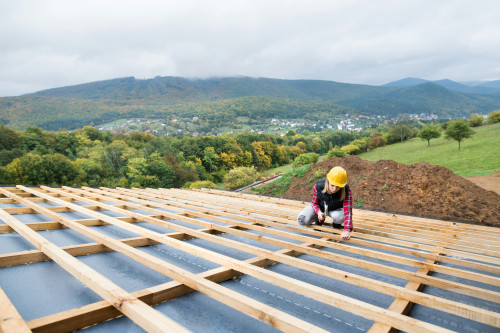
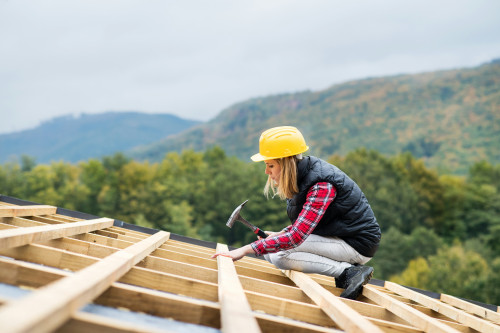
Choose the Right Material
In the U.S., homeowners and contractors can choose from several types of underlayment, depending on the roof design, slope, and local climate.
- Synthetic underlayment is lightweight, tear-resistant, and common under asphalt shingles. It’s ideal for areas prone to strong winds because it resists uplift better than traditional felt.
- Asphalt-saturated felt (often called tar paper) is still used on many roofs, but it’s heavier and more prone to tearing in high winds.
- Peel-and-stick membranes provide a watertight seal and are often used in hurricane-prone regions or on low-slope roofs.
Always follow the manufacturer’s installation instructions carefully, including the type and spacing of fasteners.
How to Secure the Underlayment Correctly
The fastening method depends on the type of underlayment and roof deck, but these general principles apply:
- Start at the eaves and work upward. Overlap each course so water always drains outward and downward.
- Use approved fasteners. Stainless steel or galvanized roofing nails with plastic or metal caps are best. Avoid standard staples unless specifically allowed by the manufacturer.
- Fasten to the deck securely. The underlayment should be tight but not overstretched. A slight tension prevents flapping but allows for expansion and contraction.
- Seal seams and penetrations. Use compatible tape, sealant, or flashing around vents, skylights, and chimneys. These are common leak points.
- Finish properly at ridges and eaves. At the ridge, overlap and seal the underlayment; at the eaves, ensure it directs water into the gutter system.
Common Mistakes to Avoid
Even small installation errors can lead to major problems later. Watch out for these frequent issues:
- Too few fasteners: Always use the number and spacing recommended by the manufacturer. Insufficient fastening makes the underlayment vulnerable to wind uplift.
- Incorrect overlaps: Overlaps should typically be at least 4 inches horizontally and 6 inches vertically, or more for low-slope roofs.
- Poor sealing around penetrations: Use only approved flashing and sealants—ordinary caulk or duct tape won’t last.
- Loose or wrinkled underlayment: A loose sheet can flap in the wind, causing wear and eventual tearing.
Inspect and Maintain the Underlayment
Although the underlayment is hidden beneath the roof covering, it should be inspected whenever you perform roof maintenance—such as replacing shingles or installing new flashing. Look for:
- Tears, holes, or loose seams.
- Signs of moisture or staining in the attic.
- Nails or fasteners that have backed out.
Minor damage can often be patched with compatible repair tape or adhesive, but extensive issues may require professional attention.
When the Wind Picks Up – Prevention Is Cheaper Than Repair
Across the U.S., severe storms and hurricanes are becoming more frequent, and many roof failures start with improperly secured underlayment. Proper fastening isn’t just a matter of craftsmanship—it’s a matter of protection and cost savings. A well-installed underlayment keeps your home dry, stable, and secure, no matter how hard the wind blows.
Læs også: