Flat Roof as an Architectural Element in Modern Home Design

Flat Roof as an Architectural Element in Modern Home Design
For decades, the flat roof was associated with commercial buildings and mid-century modern homes, but in recent years it has made a strong comeback in American residential architecture. Once seen primarily as a practical solution, the flat roof is now appreciated as a defining architectural feature that gives a home a sleek, contemporary look. At the same time, it offers new possibilities—both aesthetic and functional—that align with today’s focus on sustainability, outdoor living, and efficient use of space.
From Function to Form
Historically, flat roofs became popular in the United States during the modernist movement of the mid-20th century. Architects such as Richard Neutra and Ludwig Mies van der Rohe embraced the clean lines and horizontal emphasis that flat roofs naturally create. Today, this aesthetic resonates again, reflecting a broader cultural preference for simplicity, minimalism, and integration with the surrounding landscape.
A flat roof can give a home a sculptural, geometric quality that stands out among traditional pitched-roof houses. It emphasizes horizontal proportions and allows the architecture itself to take center stage. In neighborhoods where gabled roofs dominate, a flat-roofed home can make a bold, modern statement.
Architectural Advantages
One of the greatest strengths of the flat roof is its versatility. It can serve as a rooftop terrace, a green roof, or a platform for solar panels—all without compromising the home’s design. For many homeowners and architects, this combination of form and function is what makes the flat roof so appealing.
- Rooftop terrace: In urban or suburban areas where yard space is limited, a flat roof can become an additional outdoor living area with privacy and views.
- Green roof: A planted roof improves insulation, manages stormwater runoff, and supports local biodiversity.
- Solar energy: The flat surface makes it easy to install solar panels at the optimal angle for maximum efficiency.
Flat roofs also give architects freedom to experiment with asymmetrical volumes, cantilevered sections, and large expanses of glass that bring natural light deep into the home.
Challenges and Solutions
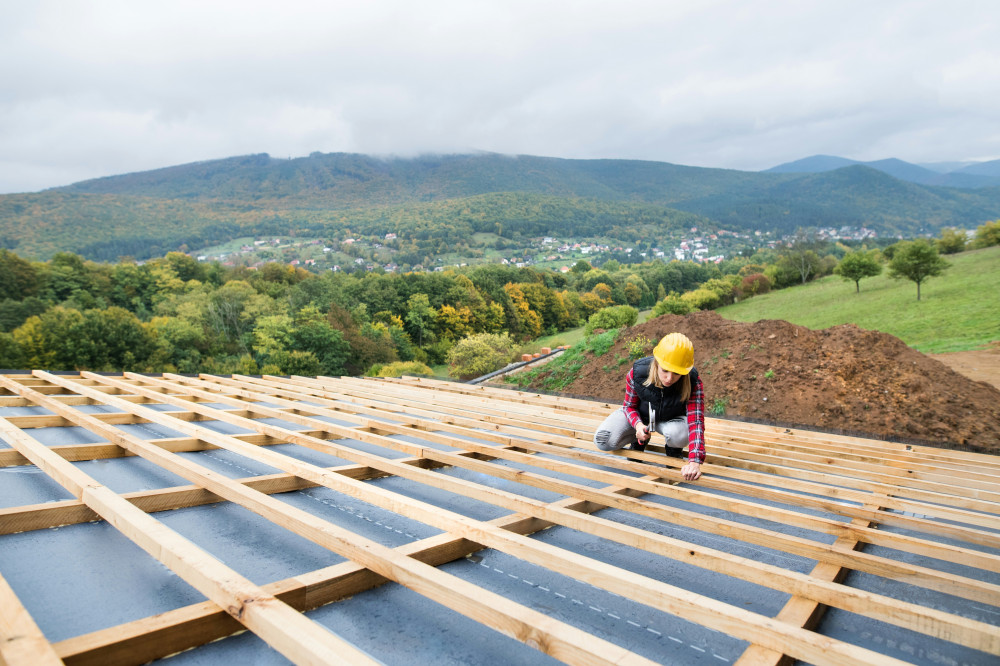
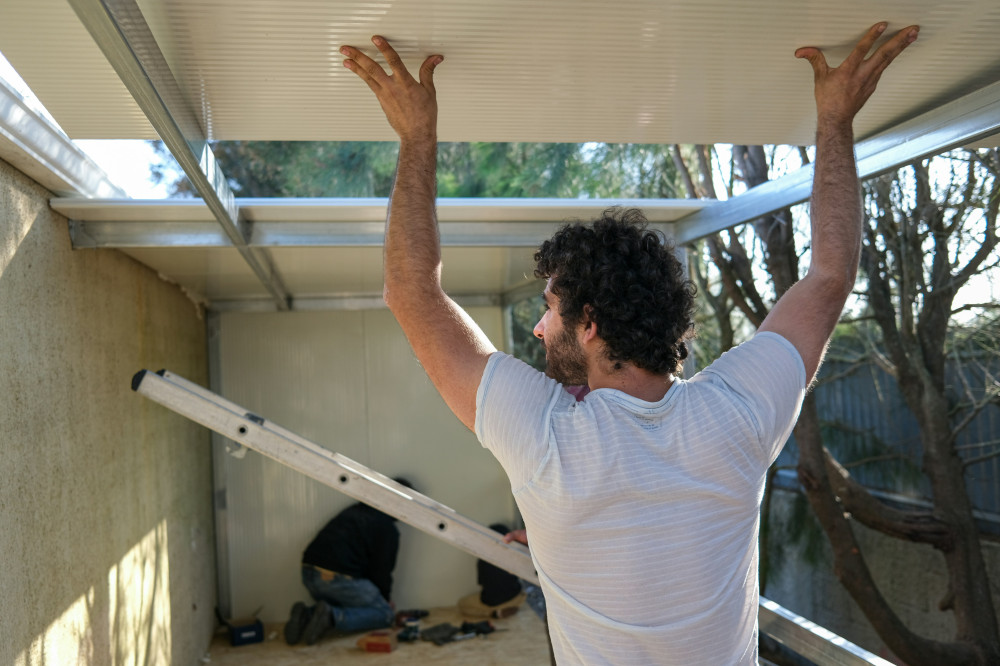
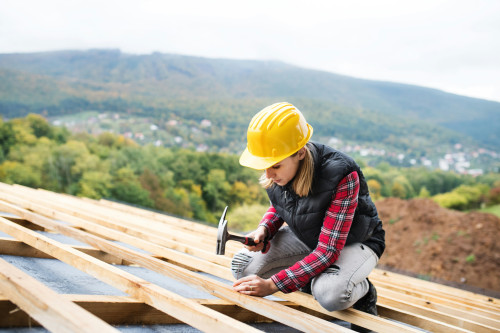
Despite its advantages, a flat roof requires careful design and construction. The main challenge is drainage. A flat roof is never completely level—it typically has a slight slope of one to two degrees to direct water toward drains or scuppers. Proper waterproofing and drainage systems are essential to prevent leaks and moisture damage.
Modern materials such as EPDM rubber, TPO, and PVC membranes have greatly improved the durability and weather resistance of flat roofs. Advanced insulation and ventilation systems also help maintain energy efficiency and extend the roof’s lifespan, even in regions with heavy rain or snow.
Sustainability and Energy Efficiency
As sustainability becomes a central concern in American homebuilding, the flat roof has gained new relevance. It provides an ideal platform for integrating green technologies without altering the home’s appearance. A green roof can reduce heat gain, improve air quality, and extend the life of the roofing materials. Solar panels, HVAC units, and even rainwater collection systems can be installed neatly and efficiently.
In states like California, Arizona, and Texas—where solar energy is increasingly common—the flat roof offers a practical and visually cohesive way to incorporate renewable energy systems into residential design.
Læs også:
The Flat Roof as a Symbol of Modern Living
Beyond its technical and aesthetic benefits, the flat roof represents a certain lifestyle. It conveys modernity, openness, and a conscious approach to design. Many homeowners choose it because it supports a minimalist architecture where every element serves a purpose.
In dense urban areas, the roof often becomes an active living space—a place for relaxation, gardening, or entertaining. In this way, the roof is not just the top of the building but an integral part of daily life, extending the home’s usable area and connecting residents to the outdoors.
An Architectural Choice with Endless Possibilities
The flat roof is more than a design trend—it is an architectural strategy that unites beauty, functionality, and sustainability. With the right materials and thoughtful planning, it can create homes that are both visually striking and highly efficient.
For the modern American homeowner seeking a residence that reflects contemporary values and flexible living, the flat roof offers a compelling choice. It transforms the very top of the house into a space of opportunity—where design, technology, and lifestyle meet.
Læs også: