Choose a Roof with a Focus on Durability and Recyclability

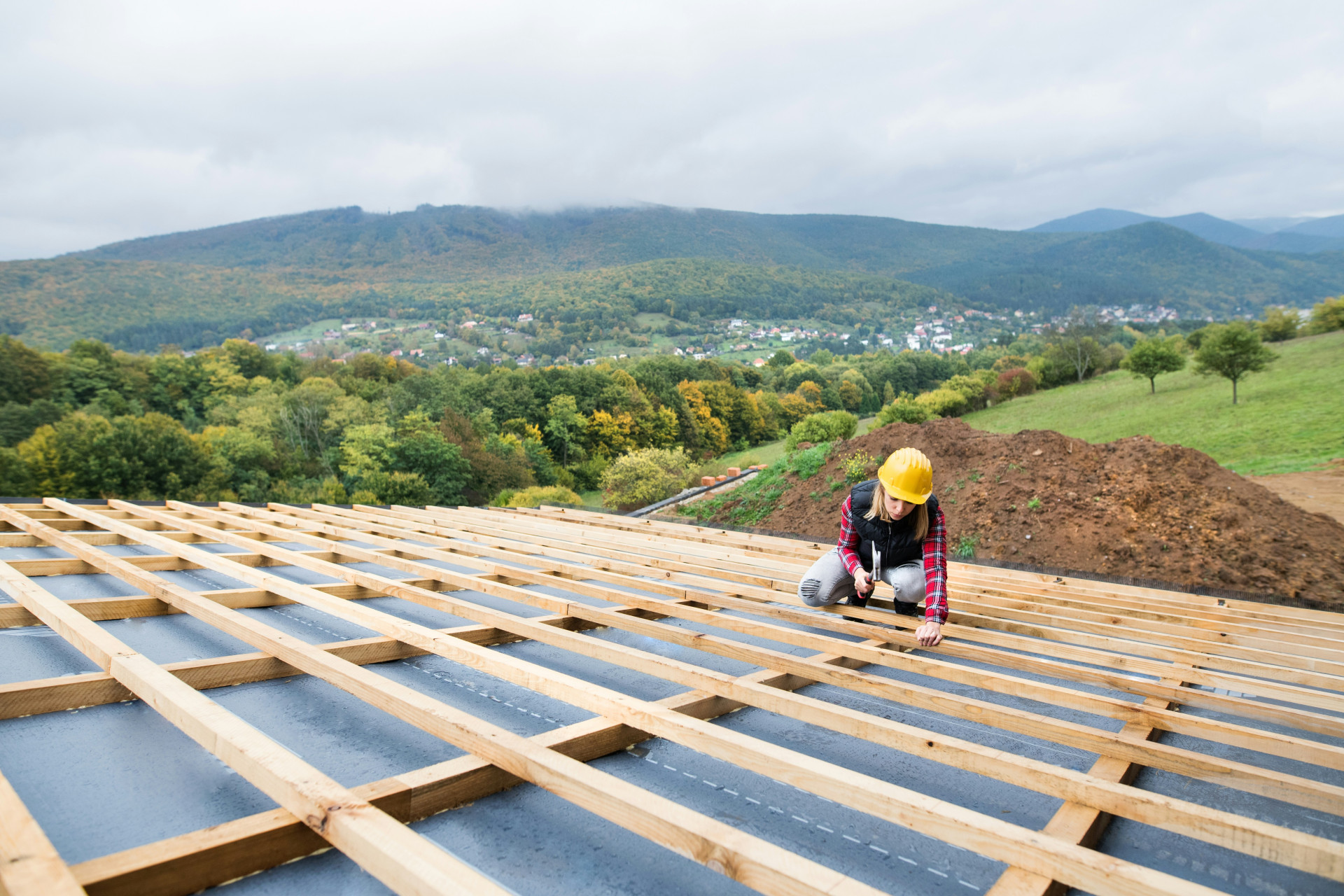
Choose a Roof with a Focus on Durability and Recyclability
When it’s time to replace or build a new roof, the decision you make will affect your home for decades. A roof does more than keep out rain and snow—it also influences your home’s energy efficiency, maintenance needs, and environmental footprint. Today, homeowners have more options than ever to choose roofing materials that combine long-lasting performance with sustainability. Here’s what to consider if you want a roof that stands the test of time and supports a greener future.
Think in Terms of Life Cycle—Not Just Price
It can be tempting to go for the lowest upfront cost, but a roof is a long-term investment. Instead of focusing only on the initial price, consider the full life cycle: how long the roof will last, how much maintenance it will require, and what happens to the materials when it eventually needs to be replaced.
A durable, recyclable roof can save money and resources over time. Many U.S. manufacturers now provide Environmental Product Declarations (EPDs) or similar documentation that helps you compare the environmental impact of different materials.
Materials That Stand the Test of Time
There are many roofing materials available, but some stand out for their durability and recyclability:
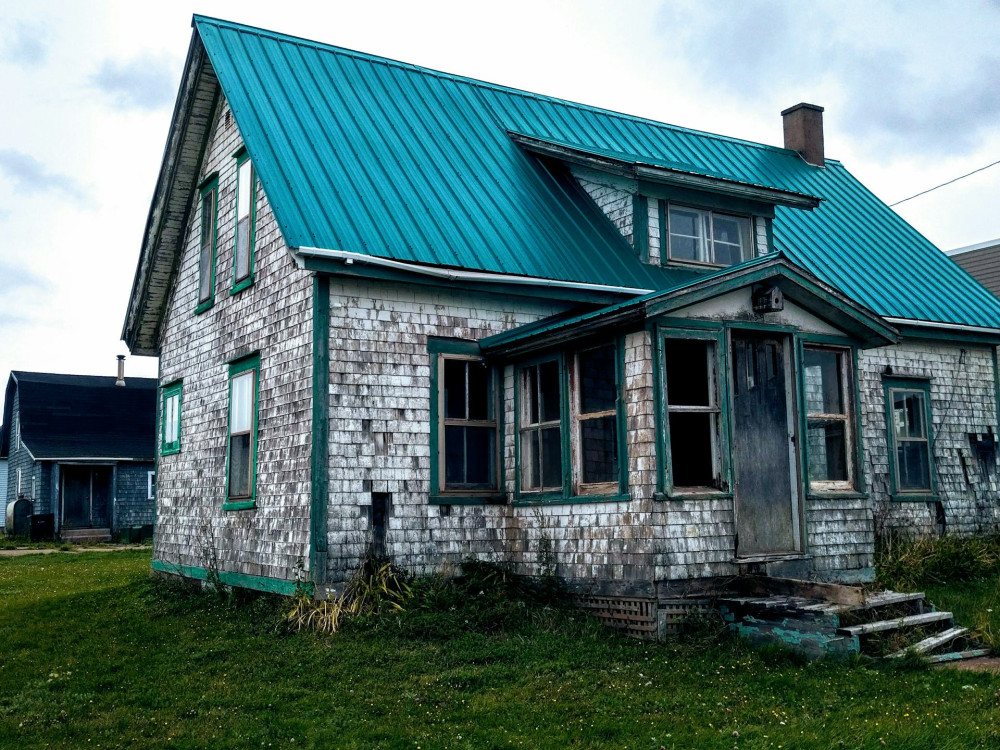
- Metal roofing (steel, aluminum, or copper) – Metal roofs can last 50 years or more and are nearly 100% recyclable. Many contain a high percentage of recycled content and can be recycled again at the end of their life.
- Clay or concrete tiles – These traditional materials are extremely durable, often lasting 70–100 years. They can be reused or crushed for use in new construction materials.
- Slate – A natural stone option that can last a century or longer with minimal maintenance. Slate is also fully recyclable.
- Asphalt shingles with recycled content – While standard asphalt shingles have a shorter lifespan (20–30 years), newer versions made with recycled materials or designed for recycling are becoming more common.
- Composite or synthetic roofing – Some modern composites mimic wood or slate but are made from recycled plastics and rubber, offering both durability and reduced waste.
When choosing a material, consider your home’s architectural style, local climate, and regional building codes. For example, metal roofs perform well in areas prone to wildfires or heavy snow, while clay tiles are ideal for hot, dry climates.
Recycling and the Circular Economy
The construction industry generates a significant portion of global waste, so choosing recyclable materials is an important step toward a circular economy—one where products are reused rather than discarded. Some U.S. roofing manufacturers now offer take-back programs, allowing old roofing materials to be collected and recycled into new products. This reduces landfill waste and conserves natural resources.
When comparing options, ask your contractor or supplier how they handle recycling and whether they participate in such programs.
Maintenance and Energy Efficiency
Even the most durable roof needs regular care. Cleaning gutters, removing debris, and inspecting for damage can extend the life of your roof significantly. You can also improve your home’s energy performance through smart roofing choices:
- Proper insulation – A well-insulated roof helps maintain indoor temperatures and reduces heating and cooling costs.
- Cool roofs – Light-colored or reflective roofing materials can lower surface temperatures and reduce air-conditioning needs in warm climates.
- Solar integration – Many modern roofing systems can be paired with solar panels or solar shingles, allowing you to generate your own renewable energy.
These measures not only make your roof more sustainable but can also lower your utility bills over time.
Choose a Responsible Manufacturer and Contractor
When investing in a new roof, look for companies that demonstrate environmental responsibility. Certifications such as ENERGY STAR, Cradle to Cradle, or LEED can indicate that a product meets high sustainability standards. Working with local contractors and suppliers can also reduce transportation emissions and support your community’s economy.
Læs også:
A Roof That Protects and Preserves
A roof is more than just a barrier against the elements—it’s a key part of your home’s identity and a long-term investment in comfort and sustainability. By choosing materials that are durable, recyclable, and responsibly produced, you can create a roof that not only protects your home but also contributes to a healthier planet.
When you focus on durability and recyclability, you’re not just choosing a roof—you’re choosing a smarter, more sustainable future for your home and the environment.
Læs også: