Asbestos Roofing – How to Recognize It

Asbestos Roofing – How to Recognize It
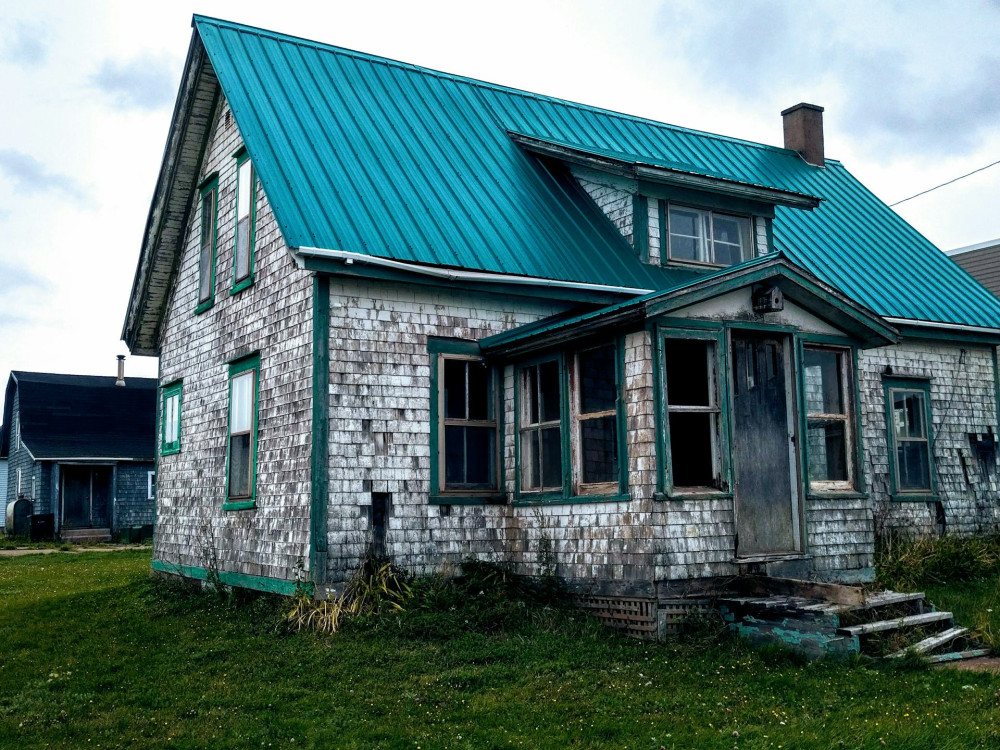
Asbestos roofing was once a common sight across the United States. From mid-century homes to barns and industrial buildings, asbestos-cement shingles and corrugated panels were valued for their durability, fire resistance, and low cost. But today, we know that asbestos fibers pose serious health risks when disturbed. If you own or are considering buying an older property, it’s important to know how to identify asbestos roofing and what to do if you find it.
Here’s a guide to recognizing asbestos-containing roofing materials and handling them safely.
What Is Asbestos Roofing?
Asbestos roofing refers to shingles or panels made from a mixture of cement and asbestos fibers. The asbestos added strength and made the material resistant to heat, moisture, and decay. These products were widely used in the U.S. from the 1920s through the late 1970s, before federal regulations began restricting asbestos use.
By the early 1980s, most manufacturers had switched to safer fiber-cement alternatives that use cellulose or synthetic fibers instead of asbestos. However, many older roofs still contain asbestos materials that remain in place today.
Læs også:
How to Tell If Your Roof Contains Asbestos
It can be difficult to identify asbestos roofing just by looking at it, but there are several clues that can help you make an educated guess:
- Age of the roof: If your home or building was constructed or last roofed before 1980, there’s a good chance asbestos materials were used.
- Material type: Asbestos roofing often appears as flat or corrugated cement sheets, or as thick, brittle shingles that resemble slate. They may have a grayish or off-white color.
- Manufacturer markings: Some shingles or panels have manufacturer names or codes stamped on the back. Brands such as Johns-Manville, GAF, or CertainTeed produced asbestos-cement products for decades. If you find these markings on older materials, they may contain asbestos.
- Texture and weight: Asbestos-cement shingles are heavier and more rigid than modern asphalt shingles. The surface may look chalky or slightly fibrous.
Because visual inspection alone isn’t reliable, the only way to confirm asbestos content is through laboratory testing. A certified asbestos inspector can safely collect a small sample and have it analyzed.
Why Asbestos Is Dangerous
Asbestos is not hazardous when it’s intact and undisturbed. The danger arises when the material is broken, cut, or weathered to the point of releasing microscopic fibers into the air. Once inhaled, these fibers can lodge in the lungs and cause serious diseases such as asbestosis, lung cancer, and mesothelioma—often decades after exposure.
That’s why it’s critical never to sand, saw, drill, or pressure-wash roofing that might contain asbestos. Even small amounts of airborne dust can be harmful.
What to Do If You Suspect Asbestos Roofing
If you think your roof may contain asbestos, don’t panic—and don’t try to remove it yourself. Here’s what you should do:
- Leave it alone if it’s in good condition. As long as the roofing is intact and not crumbling, it usually poses no immediate risk.
- Avoid disturbing it. Don’t walk on the roof, drill holes, or attempt repairs that could break the material.
- Hire professionals. If the roof is damaged or needs replacement, contact a licensed asbestos abatement contractor. They have the training and equipment to remove and dispose of asbestos safely.
- Follow local regulations. Disposal of asbestos materials is strictly regulated. Your local environmental or health department can tell you where and how asbestos waste must be handled.
Replacing an Asbestos Roof
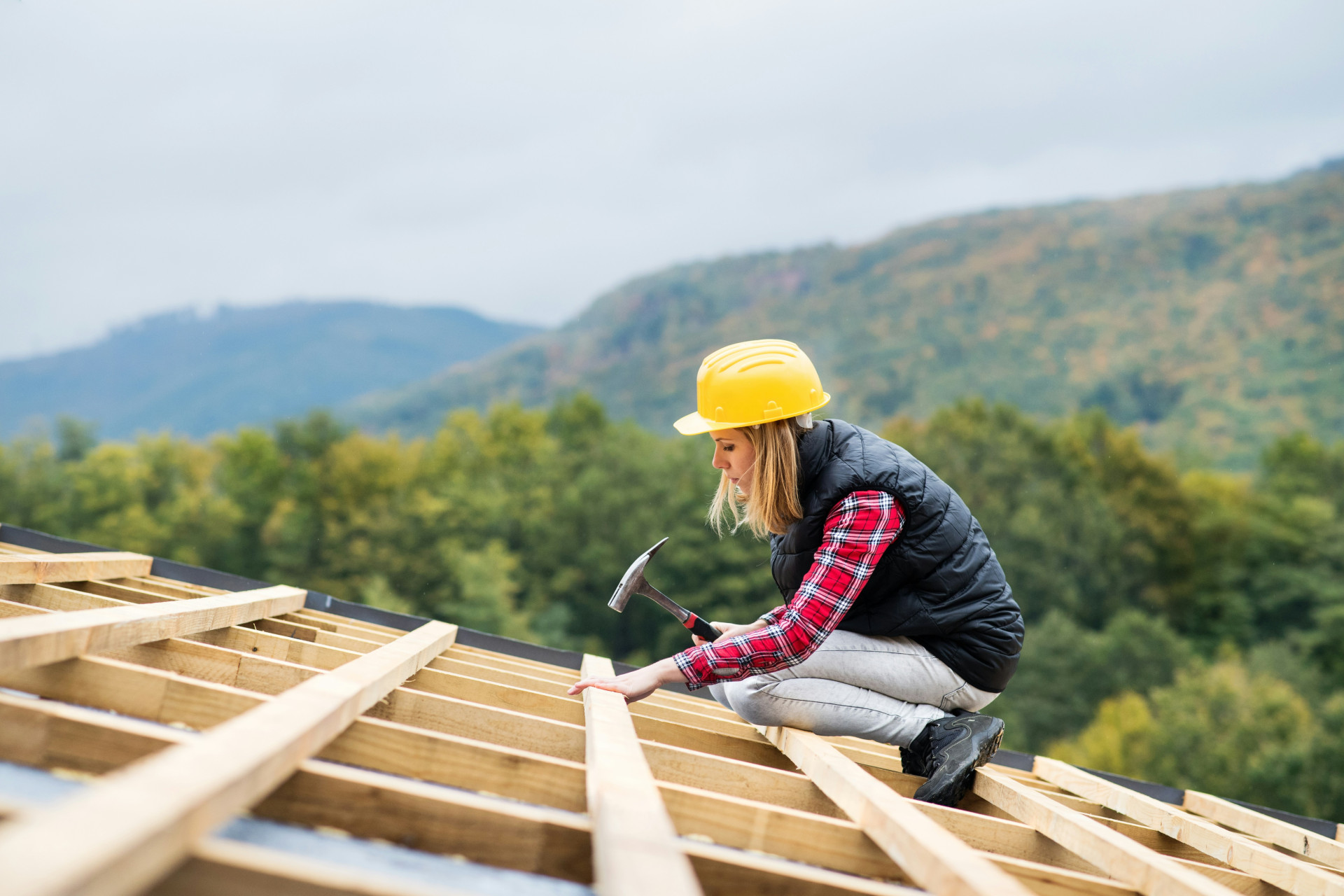
When it’s time to replace an asbestos roof, professional removal is the safest option. Contractors will seal off the area, use protective gear, and ensure that fibers don’t spread during removal. Once the old material is gone, you can choose from modern, asbestos-free alternatives such as fiber-cement, metal, or composite shingles. These options mimic the look of older materials but are safer, lighter, and more energy-efficient.
A Safer Home Starts at the Top
Asbestos roofing is a legacy of an earlier era in construction—durable, practical, but potentially hazardous. Knowing how to recognize it and handle it responsibly protects not only your property but also your health and that of your family.
If you’re uncertain about your roof’s composition, consult a qualified inspector. A professional assessment is the best way to ensure your home remains both safe and sound.
Læs også: