The right insulation material for your attic knee wall – how to choose it

The right insulation material for your attic knee wall – how to choose it
A well‑insulated attic knee wall can make a big difference in both comfort and energy efficiency. The knee wall – the short wall that separates your finished attic space from the unconditioned area under the roof slope – is often overlooked, but it can be a major source of heat loss if not properly insulated. Choosing the right insulation material depends on your home’s construction, moisture conditions, and your priorities for cost, sustainability, and performance. Here’s a guide to help you find the best option for your attic knee wall.
Why insulate the knee wall?
The knee wall acts as a barrier between your heated living space and the cold attic or roof cavity. Without proper insulation, warm air escapes through the wall and floor, creating drafts and cold spots. Good insulation can:
- Lower your energy bills by reducing heat loss.
- Improve indoor comfort by eliminating cold walls and floors.
- Prevent moisture and mold, which can develop when warm, humid air meets cold surfaces.
- Increase your home’s value, since energy efficiency is a selling point for buyers.
Know your knee wall – accessible or closed?
Before choosing a material, determine what type of knee wall you have:
- Accessible knee wall: You can reach the space behind the wall through a small door or hatch. This makes it easier to install or upgrade insulation yourself.
- Closed knee wall: There’s no access to the cavity, so insulation must be blown in through small holes. This usually requires professional installation but can deliver excellent results.
Common insulation materials
There are many insulation types available in the U.S. market, but some are better suited for attic knee walls than others. Here are the most common options:
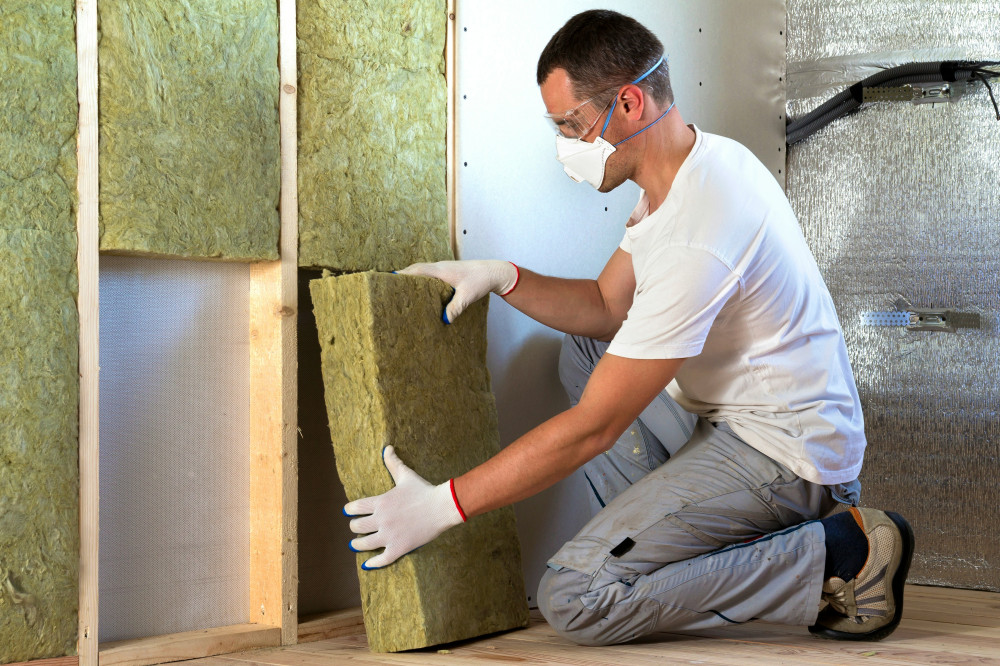
1. Fiberglass or mineral wool batts
Fiberglass and mineral wool are classic choices for attic insulation. They’re easy to handle, affordable, and provide good thermal and fire resistance. Pros: Cost‑effective, widely available, and simple to install. Cons: Can irritate skin and lungs during installation; requires a vapor barrier to prevent moisture issues.
2. Cellulose insulation
Made from recycled paper treated for fire resistance, cellulose is an eco‑friendly option that’s blown into cavities to fill every gap. Pros: Excellent coverage, good thermal performance, and sustainable. Cons: Must be professionally installed and may settle slightly over time.
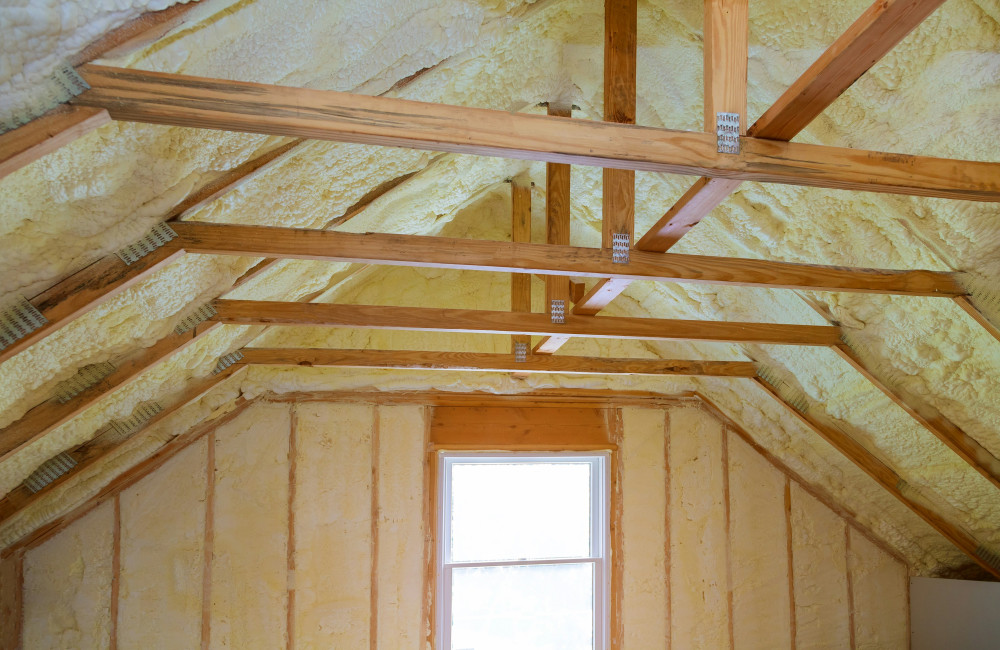
3. Spray foam insulation (open‑cell or closed‑cell)
Spray foam expands to fill gaps and creates an airtight seal, making it one of the most efficient insulation types. Pros: Superior air sealing and high R‑value per inch. Cons: More expensive, not recyclable, and must be applied by trained professionals.
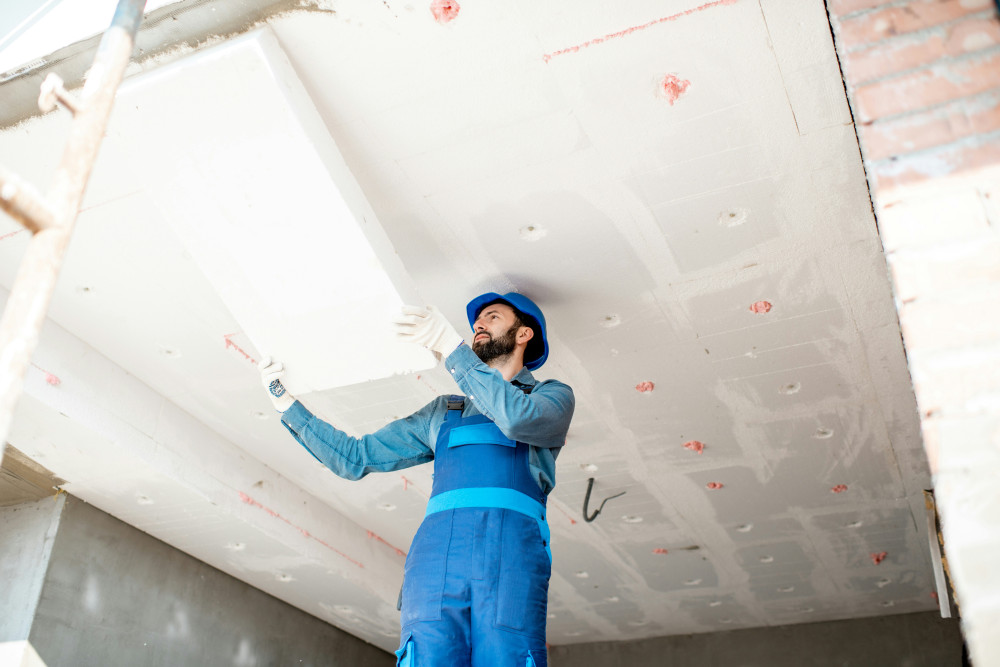
4. Rigid foam boards (polyiso, XPS, or EPS)
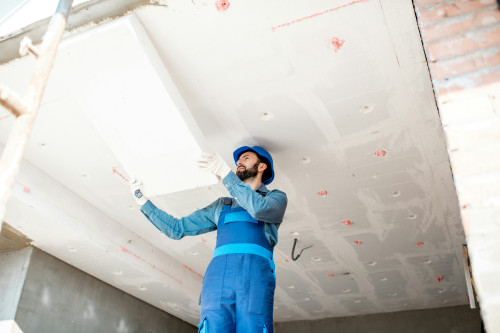
Rigid foam boards can be installed on the back side of the knee wall or along the rafters to create a continuous insulation layer. Pros: High R‑value, moisture‑resistant, and durable. Cons: Requires precise cutting and sealing; can be more labor‑intensive to install.
5. Wood fiber or other natural insulation
Natural materials like wood fiber or cotton batts are gaining popularity for their sustainability and moisture‑regulating properties. Pros: Renewable, good sound insulation, and environmentally friendly. Cons: Higher cost and limited availability in some regions.
Moisture control and ventilation – key to lasting performance
No matter which material you choose, proper moisture management is essential. Without ventilation, condensation can build up and reduce insulation effectiveness. Make sure to:
- Maintain ventilation channels between insulation and roof sheathing.
- Seal all joints and penetrations in the vapor barrier.
- Prevent air leaks from the conditioned space into the attic.
If you’re unsure about your attic’s moisture conditions, consider consulting a home energy auditor or insulation contractor before starting the project.
DIY or professional installation?
If your knee wall is accessible and you have some DIY experience, you can often install fiberglass or mineral wool batts yourself. Wear gloves, a mask, and protective eyewear, and ensure the insulation fits snugly without gaps. For closed cavities or spray foam applications, it’s best to hire a professional. A certified installer can ensure proper coverage, air sealing, and compliance with local building codes.
Læs også:
Think long‑term – energy and environment
When choosing insulation, consider more than just the upfront cost. Look at the material’s durability, environmental impact, and potential energy savings. A slightly more expensive but higher‑performing or sustainable option can pay off over time – both for your wallet and the planet.
The right solution for your home
There’s no one‑size‑fits‑all answer when it comes to insulating attic knee walls. The best material depends on your home’s age, structure, and your personal priorities. What matters most is that the insulation is installed correctly and combined with good ventilation. With the right approach, you’ll enjoy a warmer, healthier, and more energy‑efficient home all year round.
Læs også: