How Much Does It Cost to Upgrade Attic Insulation in an Older Home
Insulation
Insulation
28/07/2026

How Much Does It Cost to Upgrade Attic Insulation in an Older Home
Insulation
Insulation
28/07/2026
Older homes often have one thing in common: their attic insulation is no longer performing as intended. Rising utility bills, uneven indoor temperatures, and an HVAC system that seems to run nonstop are all warning signs that your insulation may have reached the end of its useful life. If you've been researching the blow in attic insulation cost it's important to know that the final investment depends on far more than the price of insulation itself.
Every attic tells a different story. Some contain compressed fiberglass that has lost its insulating value, while others hide moisture damage, pest contamination, or major air leaks. An attic insulation upgrade should solve these problems—not simply cover them up. For homeowners in South Florida, where extreme heat and humidity place constant stress on homes, investing in modern attic insulation can significantly improve energy efficiency, indoor comfort, and long-term operating costs.
💰 What Determines Attic Insulation Cost in an Older Home
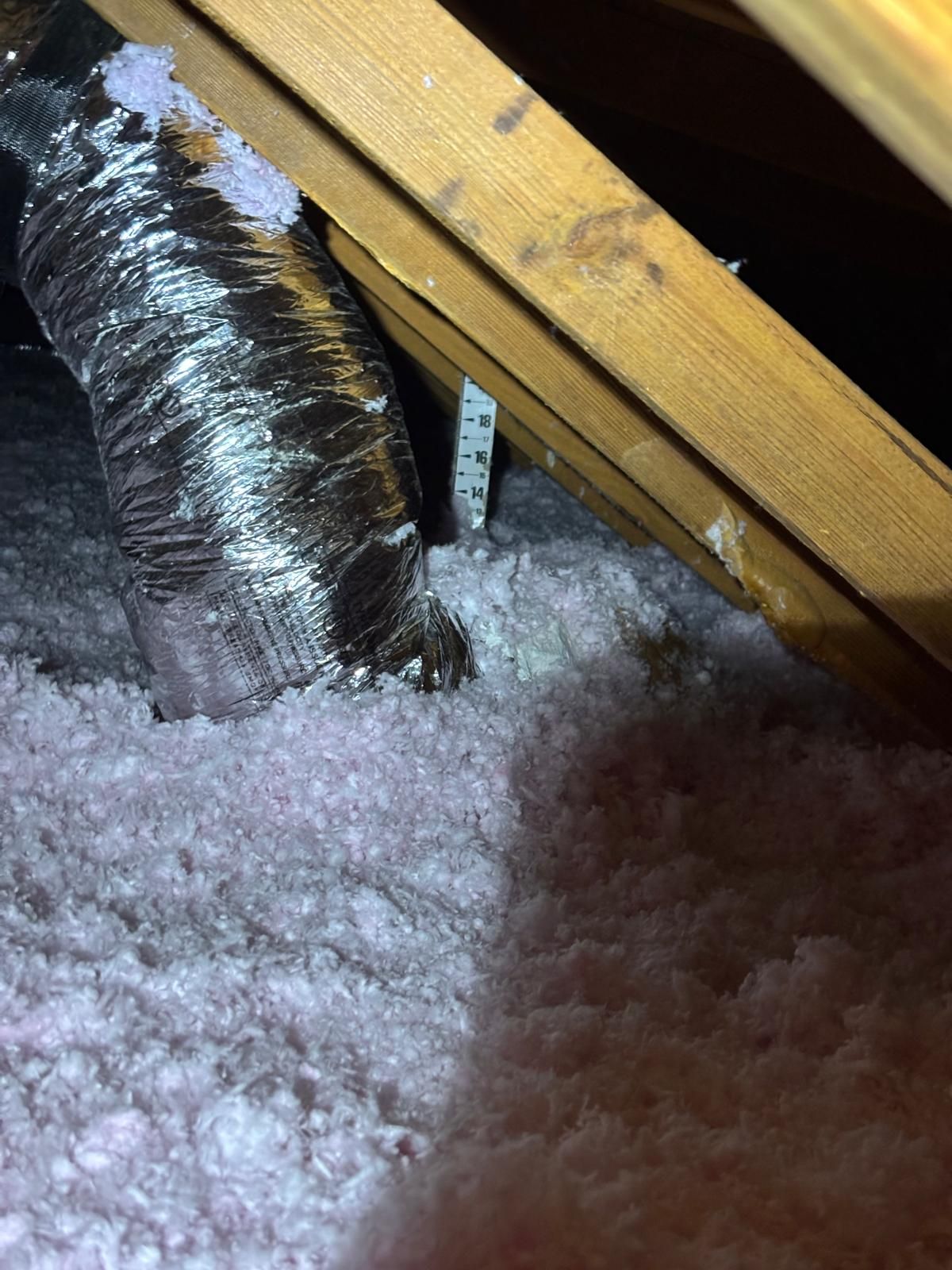
Many homeowners expect a standard price for attic insulation, but professional contractors evaluate several conditions before providing an estimate. The age of the house, accessibility of the attic, existing insulation levels, ventilation, and overall attic condition all influence the final cost. An older property often requires more preparation than a newer home. If the existing insulation has been damaged by moisture, rodents, or mold, attic insulation removal is usually recommended before installing new material. While this adds to the project cost, it prevents contamination from affecting indoor air quality and ensures the new insulation performs as designed.📏 Existing Insulation Has a Bigger Impact Than Most Homeowners Realize
The condition of old attic insulation directly affects both installation costs and long-term performance. Insulation that appears acceptable from the attic entrance may actually contain compressed sections, hidden water damage, or large gaps that allow conditioned air to escape. Instead of adding another layer over damaged material, professionals inspect the entire attic system to determine whether removal is the better solution. This approach often improves HVAC efficiency, reduces humidity problems, and creates a healthier indoor environment.🌡️ Choosing the Right Type of Attic Insulation
Not every insulation material performs equally in every home. The best choice depends on the home's structure, energy goals, and existing conditions. Several options are commonly recommended:- ✅ Blown-in insulation provides excellent coverage around wiring, plumbing, and difficult-to-reach areas.
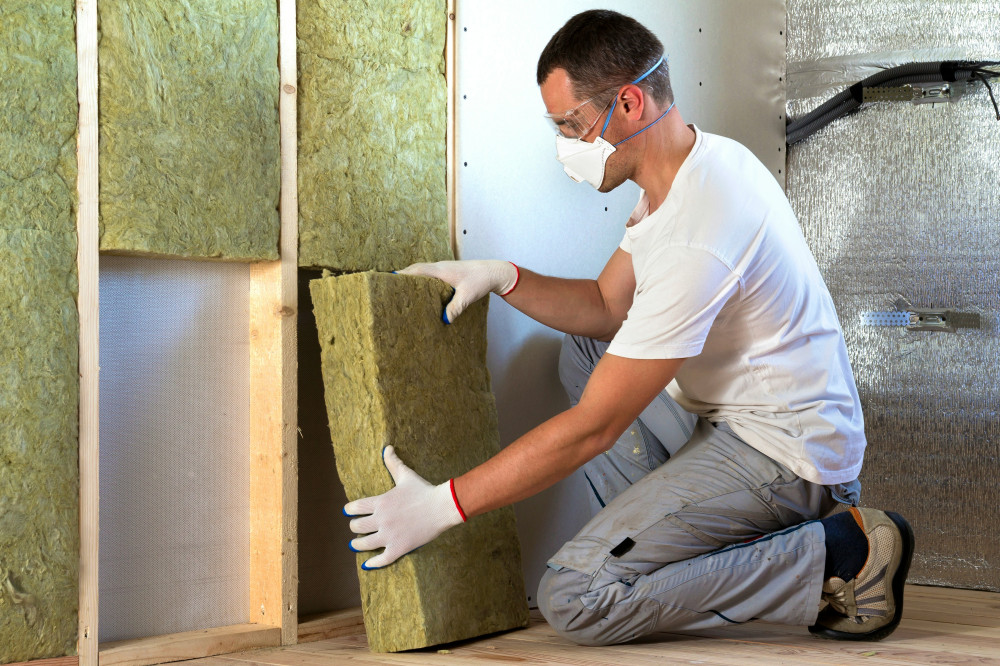
- ✅ Batt insulation works well in open framing where precise installation is possible.
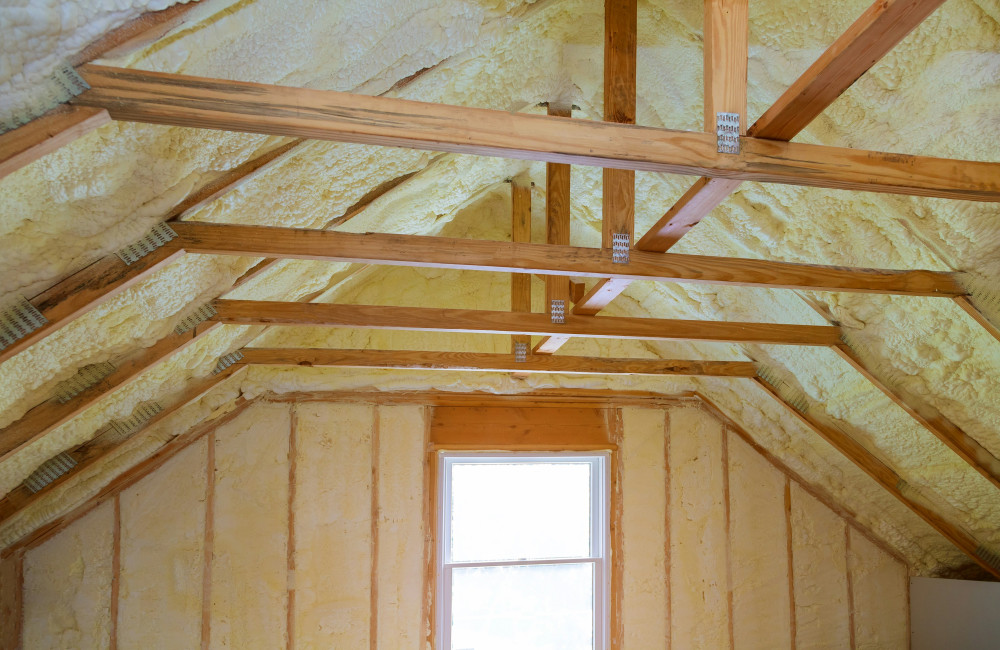
- ✅ Spray foam insulation delivers superior air sealing while maximizing thermal performance.