Plan Your Insulation to Meet Grant Requirements

Plan Your Insulation to Meet Grant Requirements
Adding insulation is one of the most effective ways to reduce energy costs and improve comfort in your home. But if you want to take advantage of federal or state energy-efficiency grants, you’ll need to plan your project carefully—both technically and administratively. Here’s a guide to help you plan your insulation so it meets grant requirements and delivers the best return on your investment.
Understand the Available Grants and Their Rules
In the United States, several programs offer financial incentives for home energy improvements. The most common include federal tax credits, state or utility rebates, and programs funded by the Inflation Reduction Act (IRA). Each has its own eligibility criteria and documentation requirements.
- Federal Energy Efficient Home Improvement Credit: This program provides a tax credit for qualifying insulation materials and installation costs. To qualify, the products must meet ENERGY STAR® or Department of Energy standards, and you’ll need to keep receipts and manufacturer certification statements.
- State and Utility Rebates: Many states and local utilities offer rebates for insulation upgrades. These often require that the work be performed by a licensed contractor and that you submit proof of purchase and installation.
- Weatherization Assistance Program (WAP): For income-qualified households, this federal program covers the cost of insulation and other energy-saving improvements. Eligibility is based on income and household size.
Always check the specific requirements before starting your project. In most cases, you must apply or confirm eligibility before work begins. Starting early ensures you don’t miss out on funding.
Begin with an Energy Assessment
Before deciding where to insulate, schedule a home energy audit. A certified energy auditor can identify where your home loses the most heat and which improvements will have the greatest impact.
An audit not only helps you prioritize upgrades but also provides valuable documentation for your grant or rebate application. It demonstrates that your project is based on measurable energy savings rather than guesswork.
Choose the Right Materials and Methods
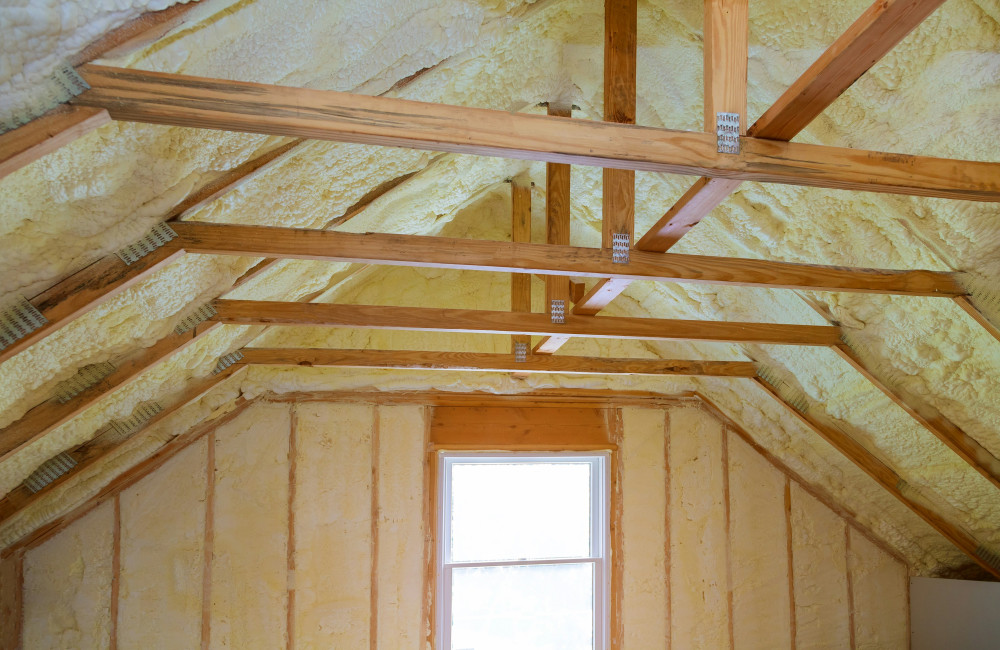
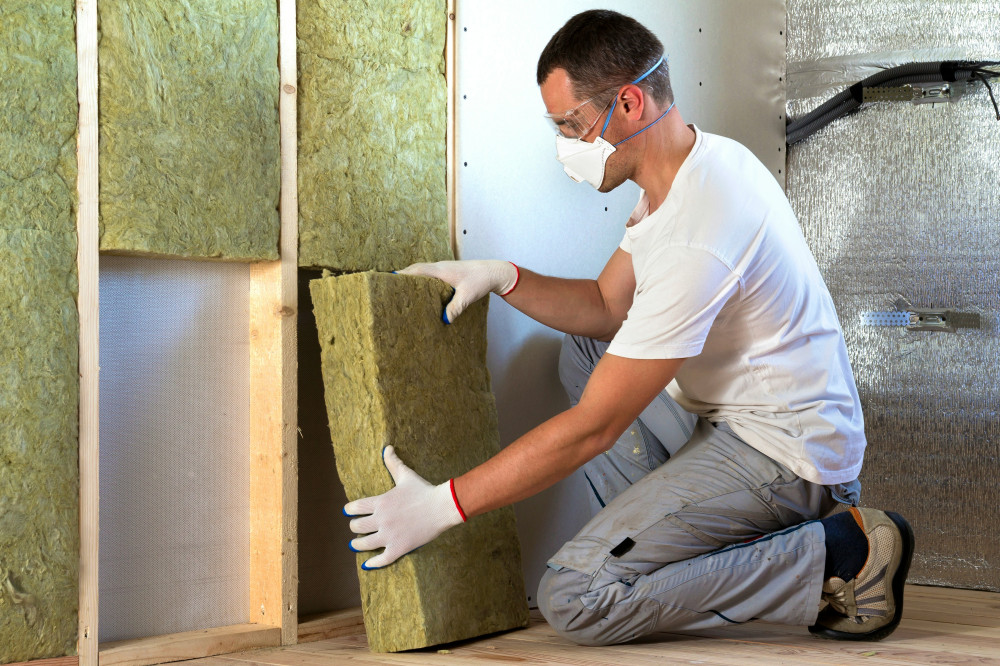
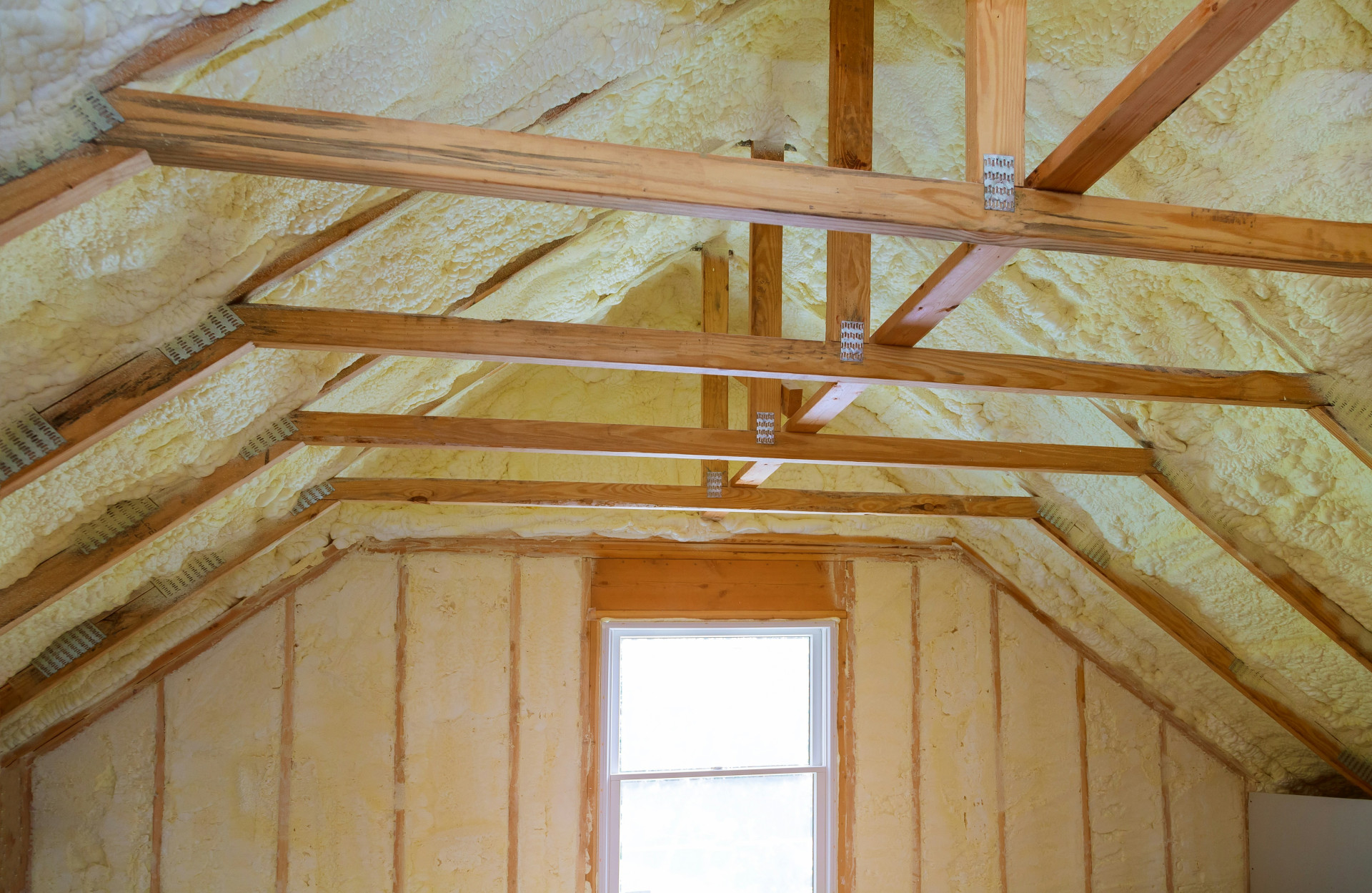
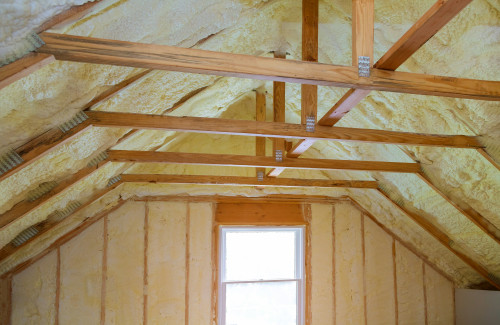
There are many types of insulation—fiberglass, cellulose, spray foam, and rigid foam boards, to name a few. The right choice depends on your home’s structure, climate zone, and the grant’s technical requirements.
- Attic and Roof: Fiberglass batts or blown-in cellulose are common choices. Ensure proper air sealing and ventilation to prevent moisture buildup.
- Walls: Dense-pack cellulose or spray foam can be used in existing walls. Some programs require that materials meet specific R-value standards for your climate zone.
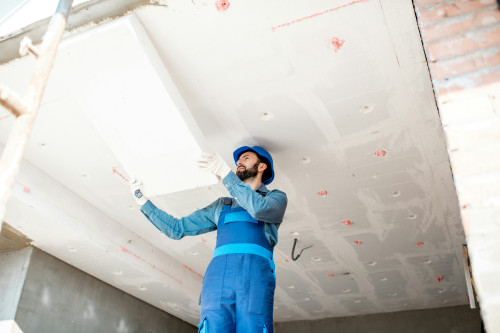
- Floors and Crawl Spaces: Rigid foam or spray foam can help reduce drafts and moisture. These areas often qualify for additional incentives due to their impact on comfort and energy use.
Check the R-value requirements for your region as defined by the Department of Energy’s climate zone map. Using materials that meet or exceed these values is often a condition for receiving grants or tax credits.
Læs også:
Keep Thorough Documentation
When applying for grants or rebates, documentation is key. You’ll need to provide evidence of both the existing conditions and the completed improvements. Keep the following:
- Energy audit report or home energy score
- Contractor estimates and final invoices
- Before-and-after photos of the insulated areas
- Product labels or manufacturer certifications showing R-values
Incomplete or unclear documentation is one of the most common reasons applications are delayed or denied. Organize your paperwork from the start to make the process smoother.
Think Holistically About Energy Efficiency
Even if you’re focusing on insulation, consider how it fits into your home’s overall energy performance. Combining insulation with other upgrades—like air sealing, window replacement, or installing a heat pump—can increase your total energy savings and may qualify you for bundled incentives.
Some programs prioritize projects that significantly improve a home’s energy rating or reduce total energy consumption. Planning multiple improvements together can maximize your financial benefit.
Avoid Common Mistakes
Homeowners often lose out on grants or credits because of small but critical oversights. Here are some pitfalls to avoid:
- Starting work before confirming eligibility or submitting an application
- Using non-certified materials that don’t meet program standards
- Failing to obtain itemized invoices from contractors
- Missing before-and-after documentation
By following the program’s requirements from the beginning, you can avoid costly delays and ensure your project qualifies for funding.
Get Professional Help if Needed
If the process feels overwhelming, consider working with a certified energy contractor or rebate specialist. Many insulation companies are familiar with federal and state programs and can help you handle the paperwork. Their expertise can save you time and ensure your project meets all technical and administrative requirements.
A Smart Investment for the Future
Meeting grant requirements may take some extra planning, but the payoff is worth it. You’ll enjoy a more comfortable home, lower utility bills, and a smaller carbon footprint—all while taking advantage of available financial incentives.
With careful preparation and the right documentation, your insulation project can become a long-term investment that pays off for years to come.
Læs også: