Reusing Materials in Sewer Renovation – A Path to Sustainable Solutions


Reusing Materials in Sewer Renovation – A Path to Sustainable Solutions
When sewer systems need renovation, the focus is no longer solely on functionality and durability. As sustainability and resource efficiency become central themes in the U.S. construction and infrastructure sectors, reusing materials in sewer renovation is gaining attention. By reusing existing pipes, manholes, and backfill materials, municipalities and contractors can reduce environmental impact and save money—without compromising quality or performance.
Why Reuse Makes Sense
Sewer renovation has traditionally been a resource-intensive process. Old pipes are excavated, hauled away, and replaced with new materials. This approach generates large amounts of waste, requires heavy transportation, and consumes significant quantities of raw materials such as concrete, plastic, and gravel.
Integrating reuse into the renovation process can significantly reduce both carbon emissions and waste volumes. Many materials in older sewer systems remain structurally sound and can be reused if properly inspected and treated. Reused materials can also be combined with modern technologies to create hybrid solutions that extend system life and improve performance.
Examples of Reuse in Practice
There are several ways to incorporate material reuse in sewer renovation—both directly and indirectly:
- Rehabilitation of existing pipes: Techniques such as cured-in-place pipe (CIPP) lining or sliplining preserve the old pipe while adding a new internal layer. This extends service life and minimizes excavation and the need for new materials.
- Reuse of excavated soil and aggregate: Instead of hauling these materials away, they can be cleaned, screened, and reused as backfill around new or rehabilitated pipes.
- Refurbishing concrete manholes: Many existing manholes can be repaired with new seals, coatings, or liners instead of being replaced entirely.
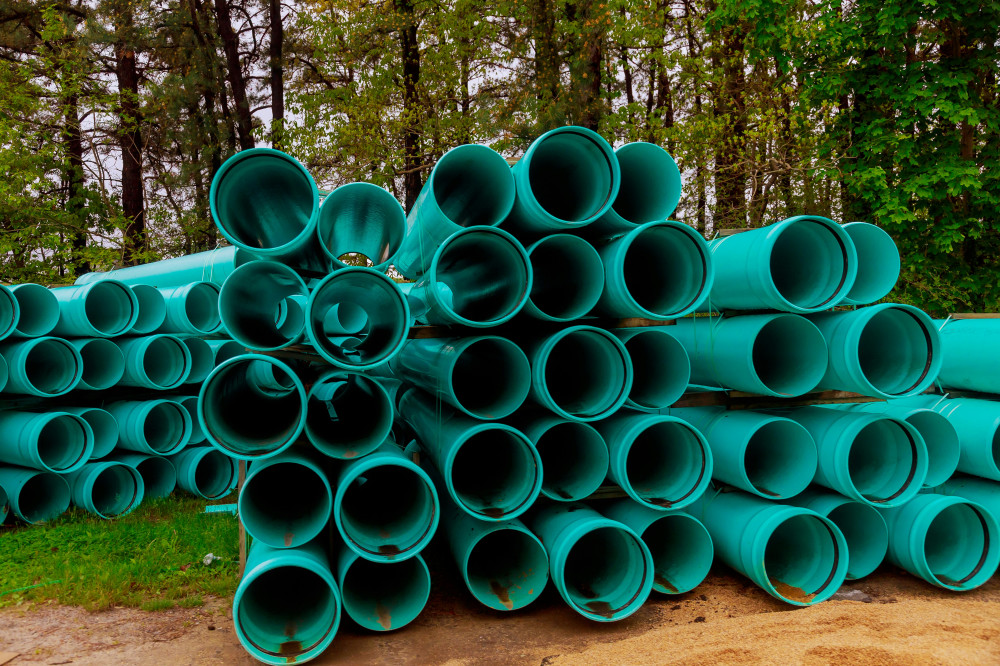
- Recycling of plastic components: When old PVC or HDPE pipes are removed, the material can be recycled into new pipes or other plastic products.
These approaches require careful planning and collaboration among contractors, engineers, and local authorities—but experience shows that the environmental and financial benefits make the effort worthwhile.
Læs også:
Environmental and Economic Benefits
Reusing materials reduces the demand for new raw resources and cuts down on transportation to and from the job site. This leads to lower greenhouse gas emissions, less wear on local roads, and reduced disruption to surrounding communities.
From an economic standpoint, reuse can lower project costs. Avoiding the purchase of new materials and minimizing disposal fees frees up funds that can be reinvested in other infrastructure improvements. Some U.S. cities and utilities are already incorporating sustainability criteria into their procurement processes, and material reuse is becoming an increasingly important factor in project evaluation.
Challenges and Quality Requirements
While reuse offers clear advantages, it also requires strict quality control and documentation. Reused materials must meet current standards for strength, watertightness, and durability. Thorough inspections and testing are essential before materials are approved for reuse.
Modern technologies such as CCTV inspection, 3D scanning, and laboratory testing make it easier to assess which components of a sewer system are suitable for reuse. Establishing clear guidelines and certification processes can help ensure that reused materials perform as reliably as new ones.
The Future of Sewer Renovation Is Circular
As the concept of a circular economy gains traction in the United States, reuse and recycling are becoming integral to infrastructure management. The industry is shifting from a linear model—where materials are used once and discarded—to a circular model, where resources remain in use for as long as possible.
Achieving this transition requires new partnerships, better data on material performance, and a cultural shift across the entire value chain. The potential rewards are significant: more sustainable infrastructure, lower costs, and a smaller environmental footprint.
A Greener Path Beneath Our Feet
Sewer renovation may not be the first thing that comes to mind when discussing sustainability, but it represents a major opportunity to make a difference. By reusing materials, embracing circular thinking, and planning with long-term sustainability in mind, we can build underground systems that not only function efficiently but also contribute to a greener, more resilient future.
Læs også: