Rat Control in Shared Areas – How to Coordinate an Effective Effort


Rat Control in Shared Areas – How to Coordinate an Effective Effort
Rats are a growing concern in many residential communities across the United States. Once they appear in shared spaces such as courtyards, basements, or trash areas, a quick and coordinated response is essential. Rats can spread disease, damage property, and create anxiety among residents. Effective control requires cooperation between tenants, property managers, and pest control professionals. Here’s how to organize a successful effort.
Recognize the Signs – and Act Quickly
The first step in effective rat control is early detection. Rats are secretive, but they leave clear evidence of their presence:
- Burrows along building foundations, fences, or under sheds.
- Gnaw marks on trash bins, wires, or wood.
- Droppings, small and dark, often found near food sources or walls.
- Noises in walls, ceilings, or crawl spaces—especially at night.
If anyone notices these signs, it’s important to report them immediately to the property manager or homeowners’ association. In most U.S. cities, pest control is the responsibility of the property owner or management, who can then contact a licensed exterminator. The sooner the problem is addressed, the easier it is to contain.
Define Clear Responsibilities
In shared areas—such as courtyards, laundry rooms, or garbage enclosures—it can be unclear who should take action. To avoid confusion, the property or community association should have a rat control plan that outlines:
- Who receives and responds to reports of rat activity.
- Which areas are inspected regularly.
- How residents are informed about prevention measures.
- Who coordinates with pest control professionals and local authorities.
A clear division of responsibilities ensures that no steps are missed and that the response is fast and organized.
Prevention Is the Best Defense
Rats are attracted to food, water, and shelter. Preventing infestations means removing these opportunities:
- Trash management: Keep garbage cans tightly closed and in good condition. Clean up food waste promptly.
- Pet food and bird feeding: Avoid leaving pet food or birdseed outdoors overnight—it’s a major attractant.
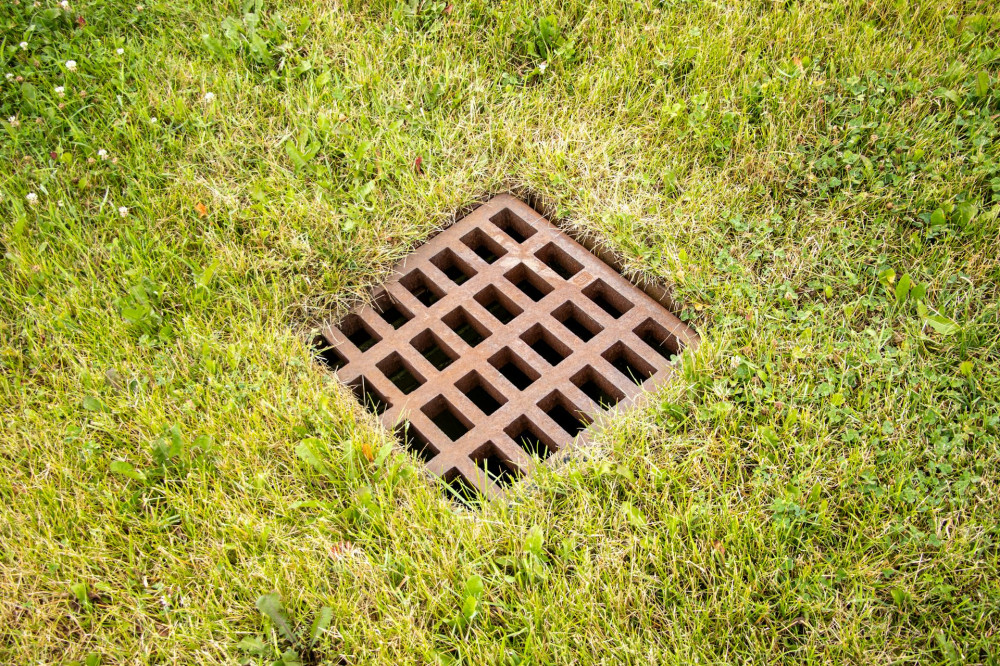
- Building maintenance: Seal cracks, holes, and gaps around pipes or vents. Check that drains and grates are intact.
- Landscaping: Trim shrubs and grass near buildings to reduce hiding places.
A yearly inspection of the property’s waste areas, crawl spaces, and drainage systems can prevent many problems before they start.
Work with Licensed Pest Control Professionals
While property owners are responsible for maintaining pest-free conditions, licensed pest control companies have the expertise and tools to handle infestations safely. A professional exterminator will typically:
- Inspect the area to identify rat activity and entry points.
- Set traps or bait stations where needed, following safety regulations.
- Provide recommendations for sanitation and structural improvements.
Residents should never attempt to use rodenticides on their own. Improper use can endanger children, pets, and wildlife, and may violate local regulations.
Læs også:


Keep Residents Informed and Involved
Successful rat control depends on community awareness and participation. Consider:
- Sending informational notices or emails explaining how to recognize and report rat activity.
- Holding a community meeting with the pest control provider to answer questions.
- Appointing a contact person or committee to coordinate reports and follow up on actions.
When residents know what to look for and how to respond, problems are detected earlier and resolved more effectively.
Follow-Up and Long-Term Maintenance
Rat control is not a one-time task. After treatment, the area should be monitored and maintained through:
- Follow-up inspections to confirm that the infestation is gone.
- Ongoing maintenance of trash areas, plumbing, and building exteriors.
- Review and improvement of the control plan based on what worked best.
By making rat prevention part of the property’s regular maintenance schedule, communities can avoid recurring infestations and maintain a safe, healthy environment.
A Shared Effort for Lasting Results
Rats thrive where there is neglect and poor coordination. The best protection is a community that takes collective responsibility. When residents, property managers, and pest control professionals work together, rat problems can be handled swiftly and effectively—keeping shared spaces clean, safe, and comfortable for everyone.
Læs også: