Extend Your Drain’s Lifespan with Proper Maintenance and Care

Extend Your Drain’s Lifespan with Proper Maintenance and Care
A well-functioning drainage system is essential for protecting your home’s foundation, yard, and basement from excess moisture and flooding. But even the best system won’t last forever without proper care. Over time, pipes can clog with soil, roots, and debris, making it harder for water to flow away from your property. The good news is that with regular maintenance, you can significantly extend your drain’s lifespan—and avoid costly repairs. Here’s how to keep your drainage system in top shape.
Know Your Drainage System
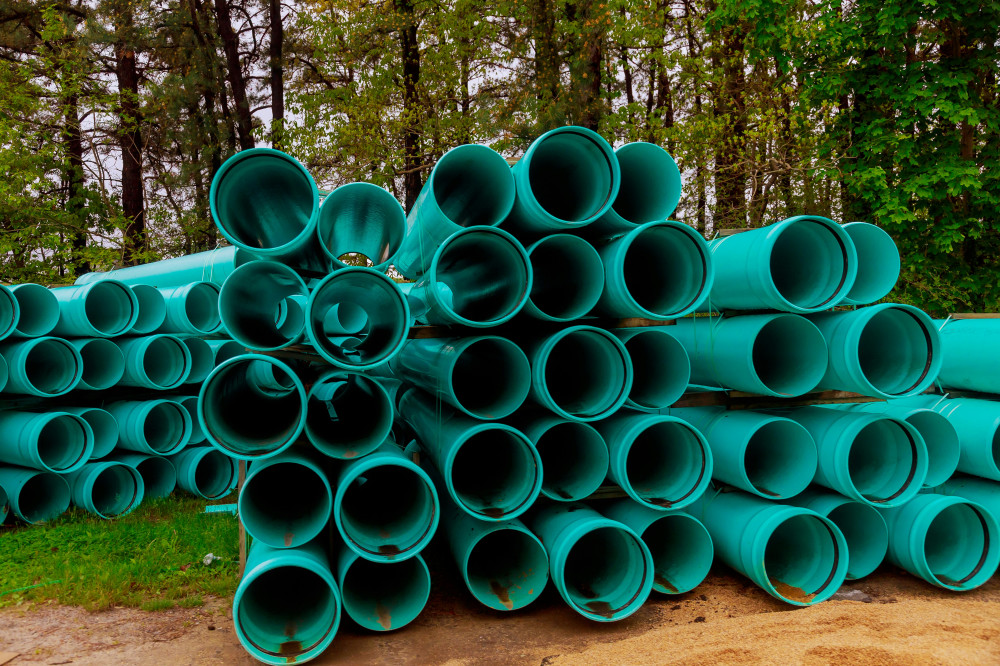
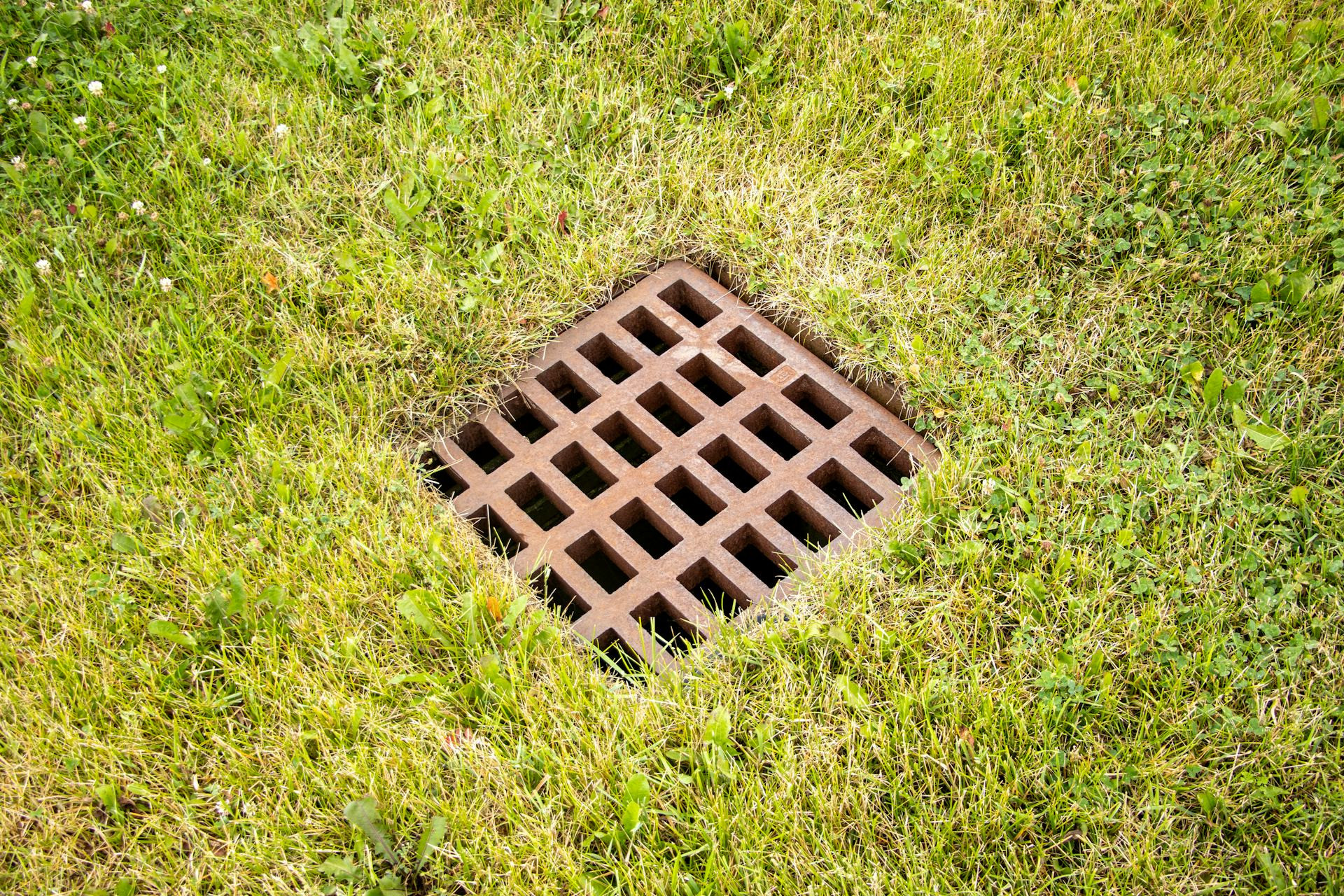
Before you can maintain your drain, it’s important to understand how it’s built. A typical residential drainage system includes perforated pipes buried around the foundation or in low areas of the yard. These pipes collect and redirect excess water to a sump pump, storm drain, or dry well.
If you’re unsure about your system’s layout or age, check your home’s inspection report or building plans. You can also hire a licensed plumber or drainage specialist to perform a camera inspection to assess the condition of the pipes and locate any problem areas.
Læs også:
Signs Your Drain Needs Attention
A poorly functioning drain often reveals itself through subtle but noticeable signs:
- Damp basement walls or musty odors.
- Standing water in the yard after rain.
- Soft or soggy soil near the foundation.
- Water pooling around downspouts or window wells.
The sooner you address these issues, the easier and cheaper they are to fix. Ignoring them can lead to foundation damage, mold growth, and structural problems.
Cleaning and Inspection – Step by Step
Your drainage system should be inspected at least every two years—and more often if you live in an area with heavy clay soil, frequent storms, or many trees. Here’s what to do:
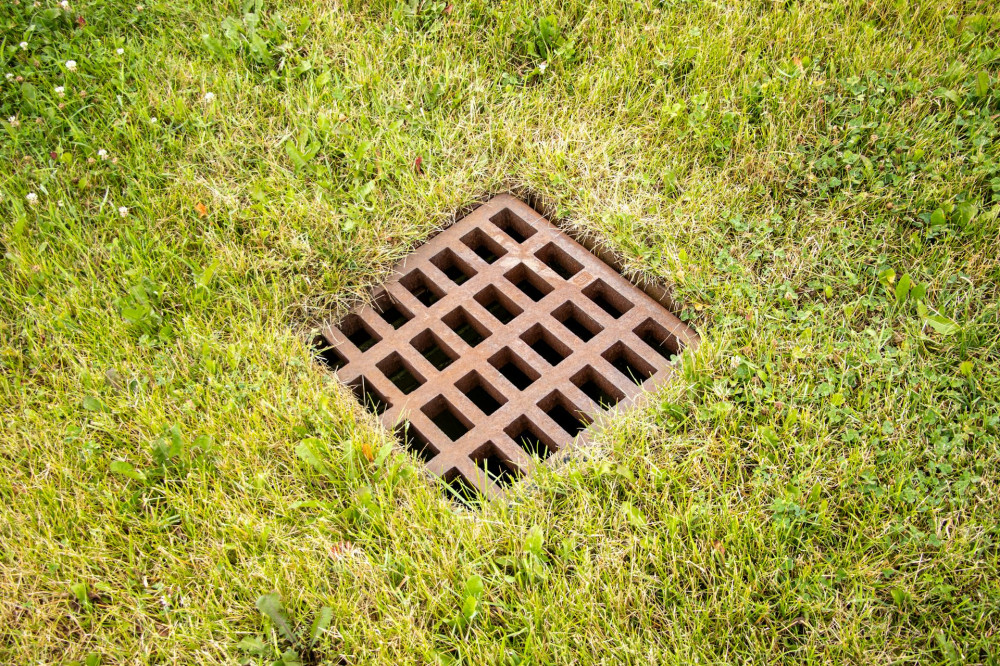
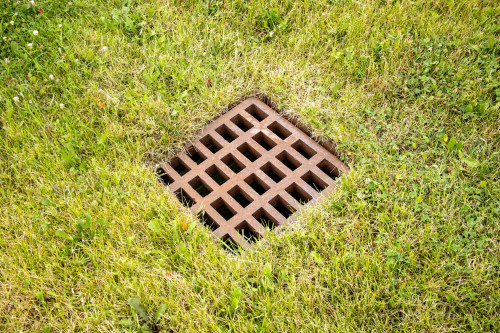
- Clean out catch basins and drain boxes. Remove leaves, sediment, and debris using a bucket or wet/dry vacuum. Rinse with clean water to ensure proper flow.
- Flush the pipes. A professional can use a high-pressure water jet to clear buildup inside the pipes. This is especially important if water drains slowly or backs up.
- Check the outlet. Make sure the discharge point—whether it’s a storm drain, dry well, or ditch—is clear and allows water to flow freely.
- Inspect for root intrusion. Tree roots can invade pipes and block water flow. If you find roots, have them removed professionally and consider trimming or relocating nearby trees.
Prevention Is the Best Maintenance
Preventive care is the key to a long-lasting drainage system. Adopt these good habits:
- Keep the area around drain openings clear of leaves and soil.
- Avoid planting large trees or shrubs near drainage lines. Roots naturally seek moisture and can damage pipes.
- Ensure proper grading around your home. The ground should slope away from the foundation to direct water outward.
- Maintain gutters and downspouts. Clogged or misdirected downspouts can overload your drainage system.
- Install a sediment trap or filter. These devices capture dirt and small debris before they reach the pipes.
When to Call a Professional
While routine cleaning can be a DIY task, some situations require expert help. Contact a licensed plumber or drainage contractor if:
- Water remains in the system even after cleaning.
- You experience recurring basement moisture or flooding.
- The system is more than 25–30 years old and hasn’t been inspected recently.
A professional can determine whether your system needs repair, replacement, or a more thorough cleaning. Though it may seem like an expense now, it can save you from major water damage and foundation repairs later.
A Healthy Drain Means a Healthy Home
A well-maintained drainage system is an investment in your home’s longevity and comfort. With regular inspection, cleaning, and preventive care, you can extend your drain’s lifespan for many years. It doesn’t take major work—just consistent attention before problems arise.
A dry basement and a stable foundation bring peace of mind. And that peace starts with a drainage system that’s allowed to do its job properly.
Læs også: