Prevent Heat Loss Through Masonry with Proper Maintenance

Prevent Heat Loss Through Masonry with Proper Maintenance
Masonry makes up a large part of a home’s exterior envelope—the barrier that keeps cold air, wind, and moisture out while holding warmth inside. But even the best brick or stone walls can lose their insulating power over time if they’re not properly maintained. Cracks, moisture damage, and deteriorating mortar joints can lead to heat loss, higher energy bills, and even structural problems. Here’s how regular maintenance can help you prevent heat loss through masonry and keep your home comfortable year-round.
Why Masonry Matters for Energy Efficiency
Masonry acts as a natural thermal buffer. When it’s in good condition, it helps retain heat during winter and keeps interiors cooler in summer. However, when mortar joints crumble or cracks appear, cold air and moisture can penetrate the wall. This not only makes the walls feel colder but also allows heat to escape more quickly.
Moisture is especially problematic. Damp masonry conducts heat far more efficiently than dry materials, meaning even small leaks or cracks can significantly increase energy consumption. Keeping your masonry dry and intact is key to maintaining its insulating performance.
Signs Your Masonry Needs Attention
It’s not always easy to tell when masonry needs maintenance, but there are several warning signs to look for:
- Cracks in bricks or mortar joints, especially around windows, doors, and corners.
- Crumbling or missing mortar, where the joints have eroded or fallen out.
- Dark stains, moss, or efflorescence, which can indicate trapped moisture.
- Peeling paint or plaster indoors, a sign that moisture is seeping through the wall.
- Cold spots or drafts, where the wall feels noticeably cooler than surrounding areas.
Catching these issues early makes repairs easier and less expensive.
How to Maintain Masonry and Prevent Heat Loss
Routine maintenance is the best way to preserve your masonry’s insulating properties. Follow these key steps:
1. Inspect Your Masonry Annually
Walk around your home at least once a year—spring is ideal, after winter’s freeze-thaw cycles. Look for cracks, loose mortar, or discoloration. Use binoculars to check higher sections if needed.
2. Repoint Damaged Mortar
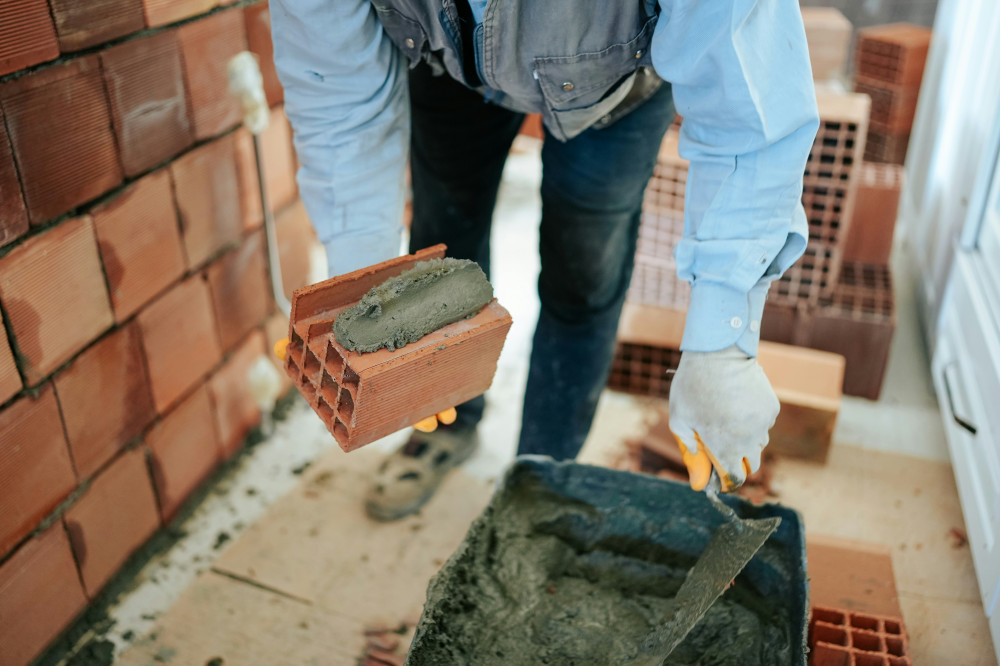
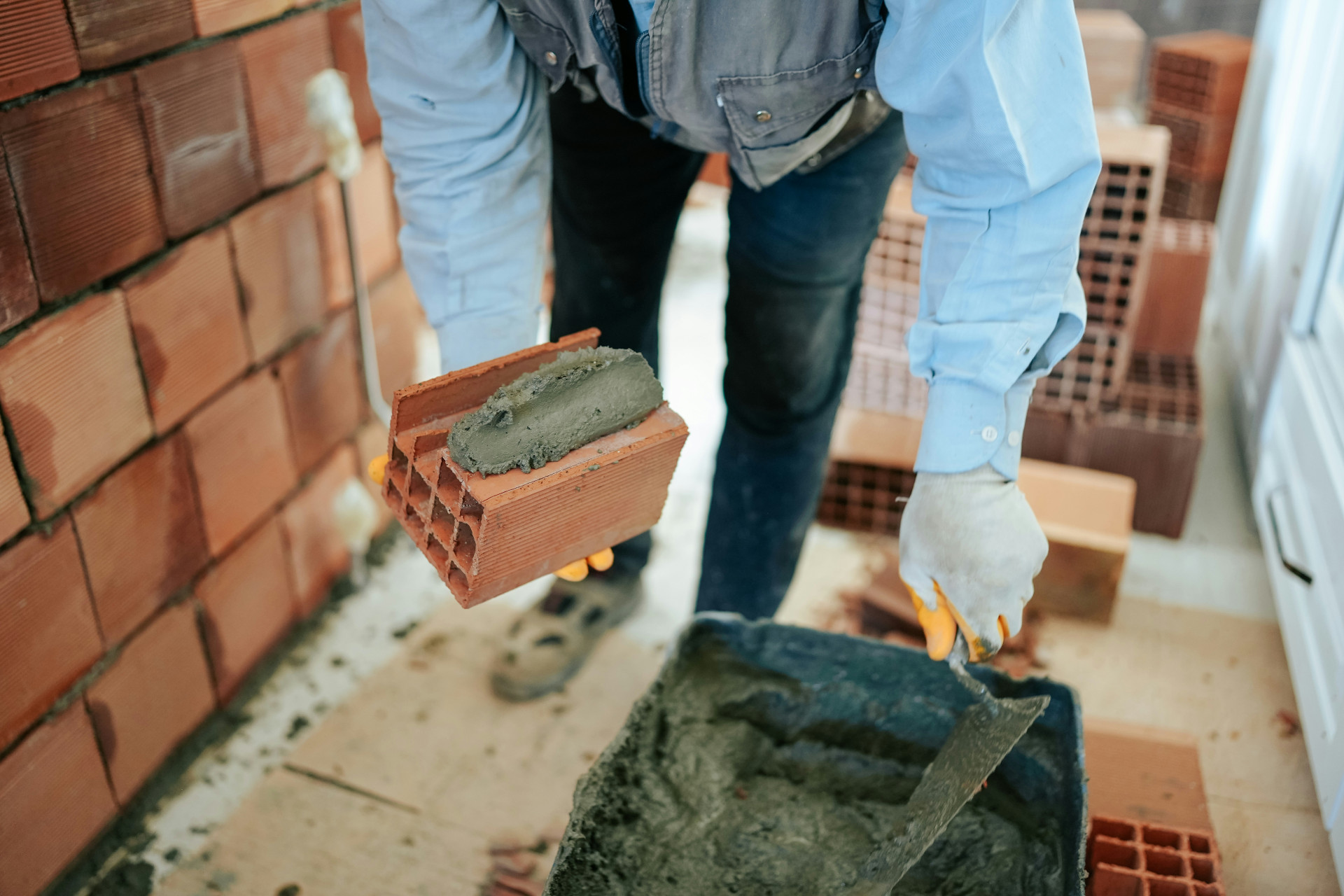
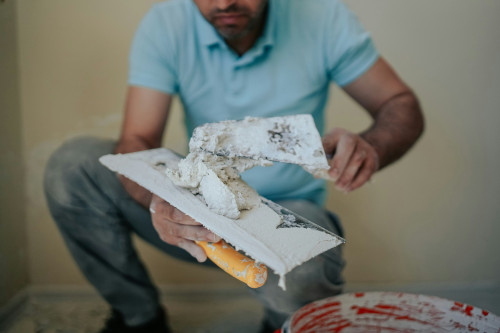
If mortar joints are soft, powdery, or missing, they should be repointed. This involves removing the old mortar and replacing it with new material. Proper repointing prevents water from entering and freezing inside the wall, which can cause bricks to crack. Use a mortar mix compatible with your home’s age and brick type—modern cement-based mortars can be too rigid for older homes.
3. Manage Water and Drainage
Ensure gutters, downspouts, and grading direct water away from the foundation. Standing water near the base of your home can wick upward into the masonry, leading to damp walls and heat loss. In areas with heavy rainfall or poor drainage, consider installing a French drain or improving soil grading.
4. Avoid Sealants That Trap Moisture
While painting or sealing brick might seem like a good way to protect it, non-breathable coatings can trap moisture inside the wall. This can lead to spalling and frost damage. Instead, use breathable, vapor-permeable coatings designed for masonry, which allow moisture to escape while still providing protection.
5. Insulate Thoughtfully
If you’re considering adding insulation, consult a professional to determine whether it should be installed inside, outside, or within a cavity wall. Improper insulation can trap moisture and damage the masonry. A certified energy auditor or building specialist can recommend the best approach for your home’s construction and climate zone.
Læs også:
When to Call a Professional
While many maintenance tasks can be handled by homeowners, it’s often worth hiring a mason or building inspector to perform a detailed assessment every few years. Professionals can spot early signs of deterioration, recommend appropriate repair materials, and ensure that any work preserves both the structure and its energy efficiency.
A well-maintained masonry wall isn’t just about curb appeal—it’s a key factor in your home’s comfort and energy performance. Addressing small issues early can prevent major heat loss and costly repairs down the road.
A Tight Masonry Envelope Means Comfort and Savings
When your masonry is in good condition, you’ll notice the difference immediately. Rooms feel warmer, drafts disappear, and heating costs drop. At the same time, you’re extending the life of your home and protecting its value.
By combining regular maintenance with proper materials and smart insulation choices, you can ensure your home stays warm, efficient, and durable for years to come.
Læs også: