Paint Over Wallpaper Without Bubbling or Peeling

Paint Over Wallpaper Without Bubbling or Peeling
Painting over wallpaper can be a quick way to refresh a room without the mess of stripping old paper. But if you rush the job, you risk bubbles, peeling seams, or uneven color. With the right preparation and technique, you can achieve a smooth, lasting finish. Here’s a step-by-step guide to painting over wallpaper successfully.
Check the Wallpaper’s Condition First
Before you grab a roller, inspect the wallpaper carefully. The paper must be firmly attached to the wall—any loose edges or bubbles will only get worse once paint is applied.
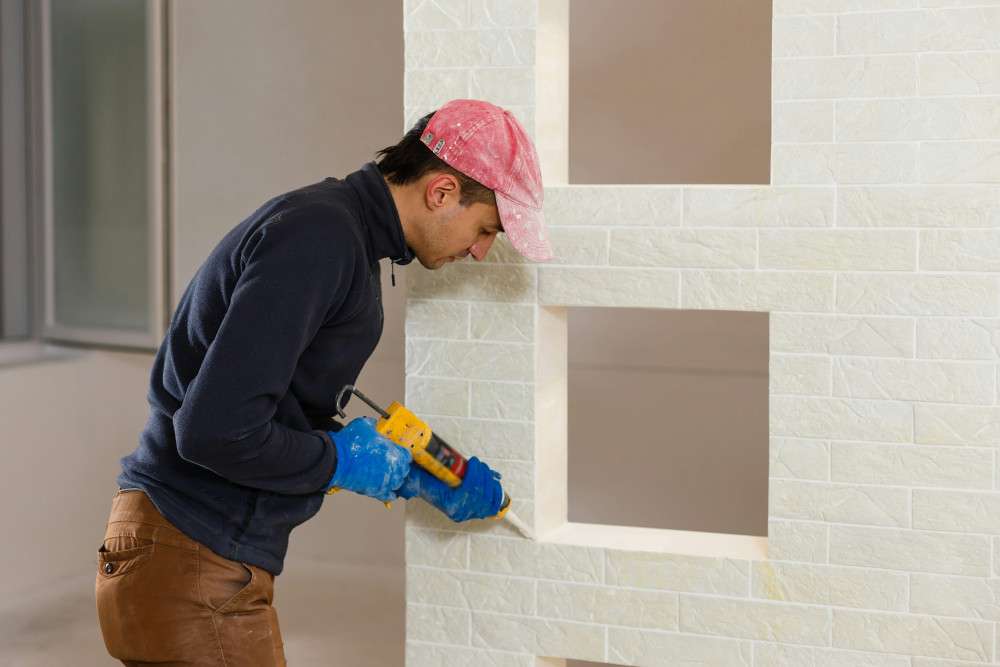
- Loose seams or corners can be re-glued with wallpaper adhesive and pressed flat with a putty knife.
- Small bubbles can be pricked with a pin to release trapped air, then smoothed out.
- Large damaged areas may need patching—or you might be better off removing the wallpaper entirely.
A stable surface is essential for paint to adhere properly and to prevent moisture from seeping behind the paper.
Clean and Prepare the Surface
Even if the wallpaper looks clean, it can hold dust, grease, or residue that prevents paint from sticking. Wipe the walls with a mild detergent solution or a cleaner like TSP substitute, then rinse with clean water and let them dry completely.
If the wallpaper has a glossy or vinyl finish, lightly sand it with fine-grit sandpaper to dull the sheen. This helps the primer bond better. Wipe away any sanding dust with a damp cloth or vacuum brush attachment.
Prime Before You Paint
Priming is the secret to avoiding bubbles and stains. A good primer seals the wallpaper and prevents moisture from the paint from loosening the adhesive underneath.
Use a high-quality water-based primer or a bonding primer designed for slick surfaces. Apply an even coat with a roller, and let it dry for the full time recommended on the label. Once dry, the wall should feel smooth and sealed—ready for paint.
Choose the Right Paint
When painting over wallpaper, avoid heavy or overly wet paints that can soak through the paper. Acrylic latex paint is usually the best choice—it dries quickly, adheres well, and won’t saturate the wallpaper.
Skip oil-based paints, which can soften the wallpaper glue. In humid areas like bathrooms or kitchens, choose a washable, moisture-resistant paint to prevent peeling and mildew.
Læs også:
Apply Thin, Even Coats
Patience pays off here. Apply two or three thin coats rather than one thick one. Thick paint layers can trap moisture and cause bubbling.
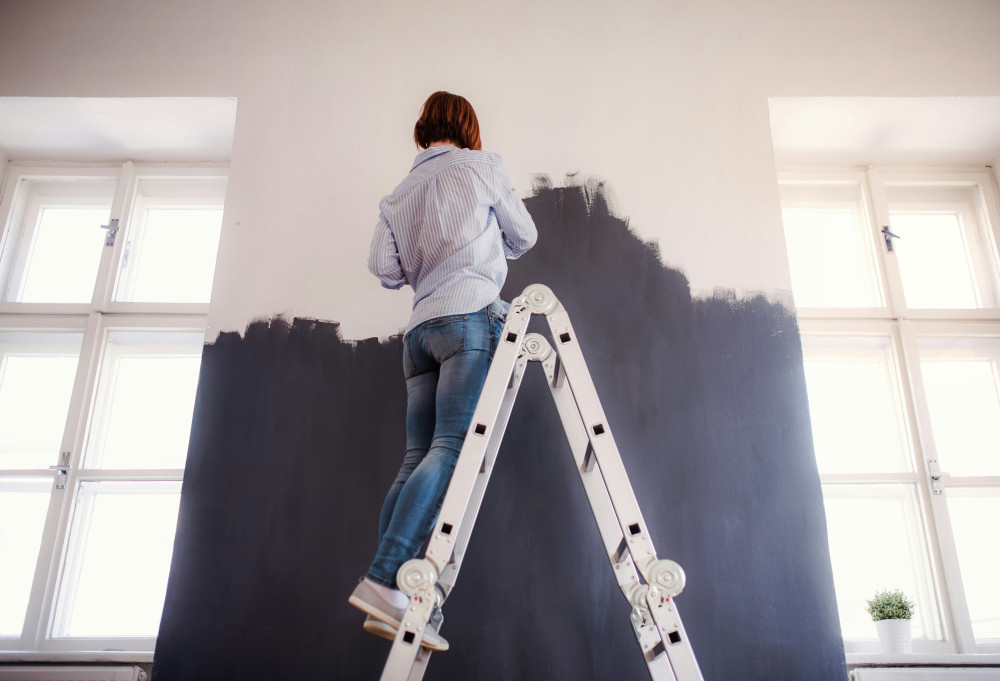
Start by cutting in along edges and corners with a brush, then roll the larger areas in smooth, overlapping strokes. Avoid overworking the paint while it’s wet—rolling repeatedly over the same spot can lift the wallpaper.
Let each coat dry completely before applying the next. This ensures a uniform finish and reduces the risk of bubbles forming.
Fixing Bubbles or Peeling
Even with careful prep, small bubbles can sometimes appear as the paint dries. Often, they’ll flatten out once the paint cures. If not, wait until the wall is fully dry, then use a pin to puncture the bubble, press out the air, and smooth the area. Touch up with a small amount of paint to blend it in.
If you notice peeling seams, lift the edge slightly, apply wallpaper adhesive underneath, press it flat, and touch up the paint once it’s dry.
When to Consider Removing the Wallpaper
If the wallpaper is very old, heavily textured, or already peeling in multiple places, painting over it may not be worth the effort. Removing it and starting fresh with a primed wall will give you a cleaner, more professional result.
As a middle ground, you can apply wall liner or fiberglass wall covering over the wallpaper before painting. This creates a smooth, stable surface and hides seams or patterns.
A Smooth Finish Takes Time
Painting over wallpaper can save time and hassle—but only if you do it right. The keys are careful preparation, proper priming, and thin, even coats. With a little patience, you can transform a dated room into a fresh, modern space without a single bubble or peel in sight.
Læs også: