Lighting upgrades that make a noticeable difference in everyday life


Lighting upgrades that make a noticeable difference in everyday life
Light is one of the most powerful yet overlooked elements in our daily lives. It shapes how we feel, how well we sleep, and how productive we are—often without us realizing it. With a few thoughtful upgrades, you can transform your home into a space that feels brighter, more comfortable, and more functional. Here’s how to make lighting improvements that truly make a difference in everyday life.
Start by understanding the role of light
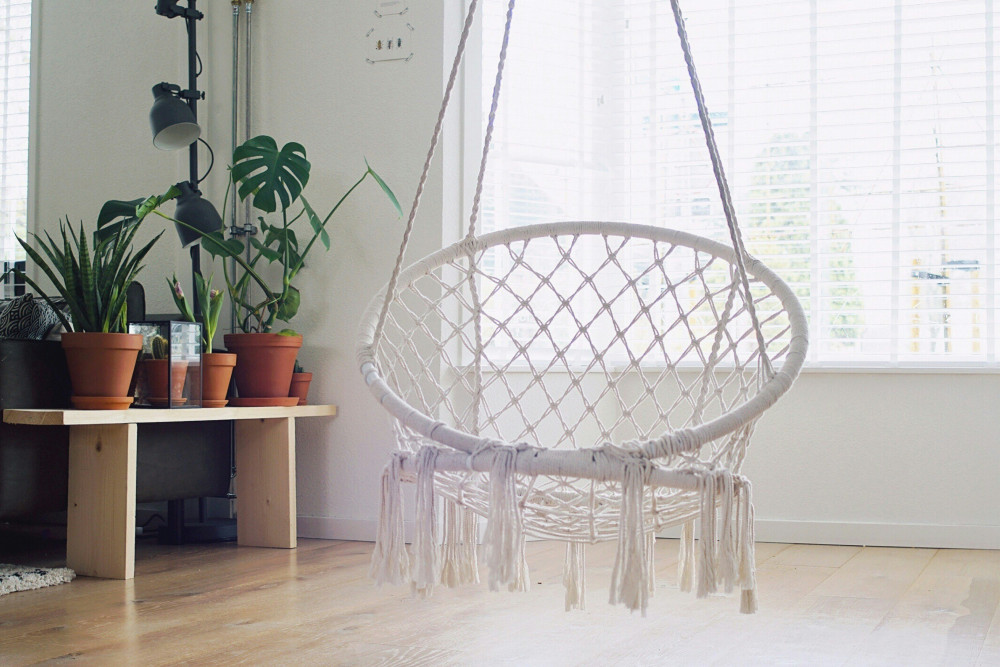
Natural light is the gold standard for both body and mind. It helps regulate your circadian rhythm, boosts mood, and supports focus during the day. Make the most of daylight by keeping windows unobstructed, using light-colored walls and ceilings to reflect sunlight, and arranging workspaces near windows whenever possible.
When the sun sets, artificial lighting takes over—and choosing the right type of light for each activity is key. Warm, soft light creates a cozy and relaxing atmosphere, while cooler, brighter light is better for concentration and tasks that require attention to detail.
Layer your lighting
A well-lit home isn’t about one bright ceiling fixture—it’s about layering different types of light to create depth, flexibility, and comfort. Think in three layers:
- Ambient lighting – the general illumination that fills the room, such as ceiling fixtures, recessed lights, or large pendants.
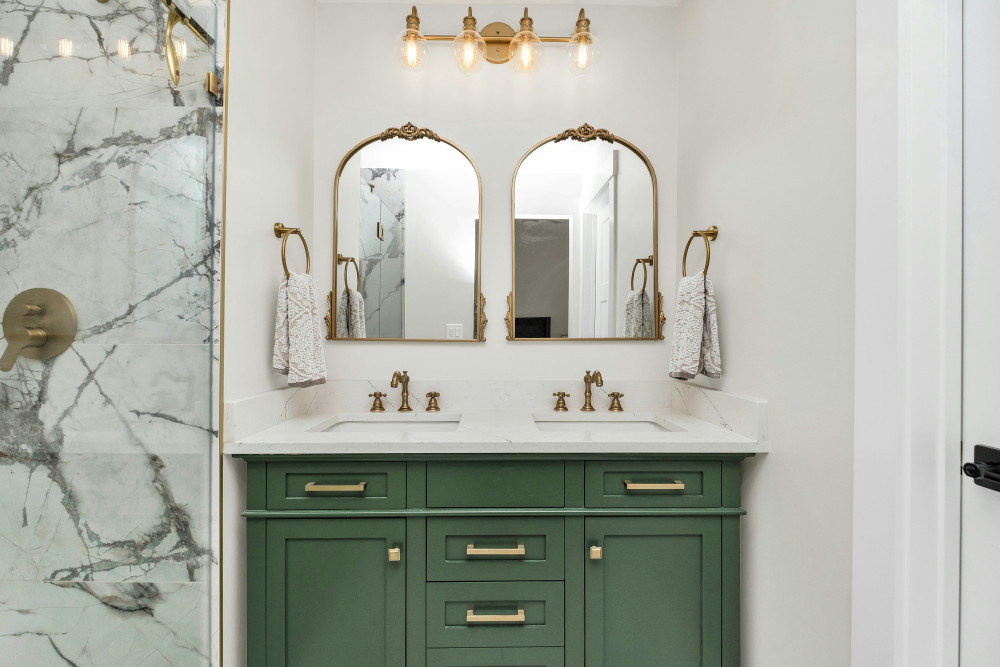
- Task lighting – focused light for specific activities like cooking, reading, or working. Desk lamps, under-cabinet lights, and vanity lights are great examples.
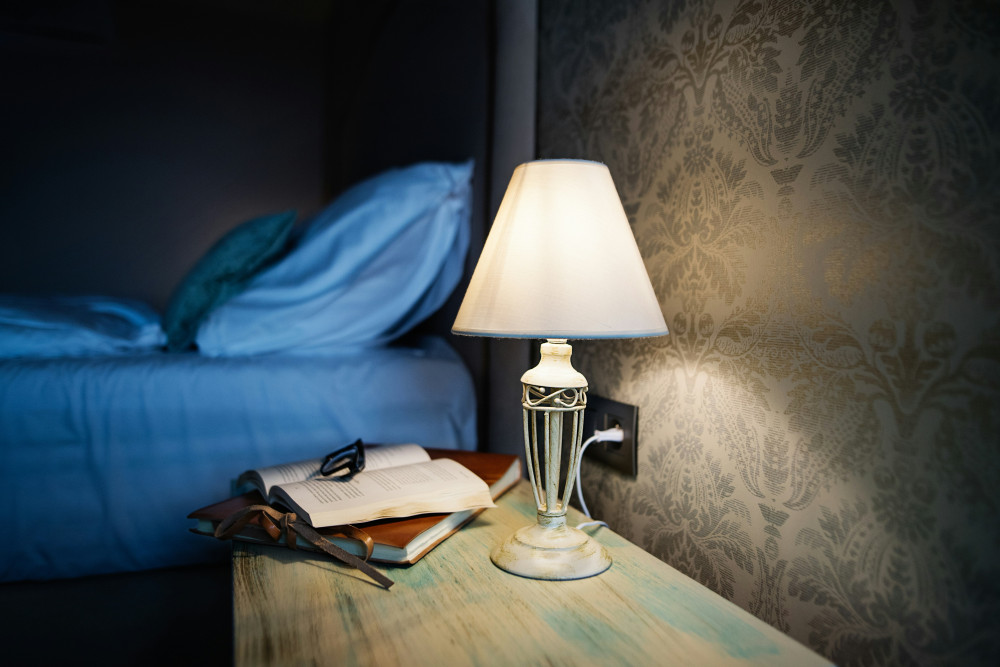
- Accent lighting – decorative or mood lighting that adds warmth and character, such as wall sconces, LED strips, or table lamps.
By combining these layers, you can easily adjust the lighting to suit the time of day, your mood, or the activity at hand.
Choose the right color temperature
Light isn’t just about brightness—it’s also about color temperature, measured in kelvin (K). The color of light can dramatically change how a room feels:
- 2700–3000 K: warm, golden light ideal for living rooms and bedrooms.
- 3500–4000 K: neutral white light that works well in kitchens and bathrooms.
- 5000 K and above: cool daylight tones perfect for home offices, garages, or workshops.
Matching the color temperature to the room’s purpose helps create a more natural and comfortable environment.
Læs også:




Make your lighting smart
Smart lighting has become affordable and easy to use, offering both convenience and energy savings. With smart LED bulbs and wireless systems, you can control brightness, color, and schedules from your phone or with voice commands.
Try setting up:
- Lights that dim automatically in the evening.
- A gentle sunrise simulation to help you wake up naturally.
- A “goodnight” button that turns off all lights at once.
These small upgrades quickly become part of your daily routine—and they can also help lower your electricity bill.
Think energy efficiency
LED bulbs use up to 80% less energy than traditional incandescent bulbs and last much longer. That means fewer replacements, lower utility costs, and a smaller environmental footprint. When shopping for bulbs, look for the ENERGY STAR label and check the lumen rating (brightness). For example, an 800-lumen LED bulb provides about the same light as a 60-watt incandescent but uses only around 8 watts.
Light for well-being
Lighting affects more than just visibility—it influences how we feel. A dim, poorly lit room can feel draining, while a bright, balanced space can lift your mood and energy. To support your body’s natural rhythm:
- Use bright, cool light in the morning to help you wake up.
- Switch to warmer tones in the evening to signal relaxation.
- Limit exposure to harsh blue light from screens and lamps before bedtime.
These small adjustments can improve sleep quality, focus, and overall well-being.
An investment in quality of life
Upgrading your lighting isn’t just about aesthetics—it’s about comfort, health, and functionality. By combining natural light, thoughtful fixture placement, and modern technology, you can create a home that feels more vibrant, efficient, and relaxing.
Light isn’t just something you turn on—it’s part of how you live. And when it’s done right, you’ll notice the difference every single day.
Læs også: