Know Your Energy Sources – and Use Them More Efficiently


Know Your Energy Sources – and Use Them More Efficiently
The energy that powers our homes and daily lives comes from a mix of sources — both fossil-based and renewable. But how well do you really know the energy that keeps your lights on and your home warm? With rising energy costs and growing concern about climate change, understanding where your energy comes from — and how to use it more efficiently — has never been more important.
The Main Energy Sources in the United States
The U.S. energy system is diverse and constantly evolving. While fossil fuels still play a major role, renewable energy is growing rapidly thanks to technological advances and policy support.
- Electricity – Used for lighting, appliances, and increasingly for heating and transportation. Electricity in the U.S. is generated from a mix of natural gas, coal, nuclear, wind, solar, and hydropower.
- Natural Gas – A common source for home heating, water heating, and cooking. It’s a fossil fuel but burns cleaner than coal or oil.
- Heating Oil and Propane – Still used in many rural areas, especially in the Northeast, for space and water heating.
- Renewables (Solar, Wind, Hydropower, Biomass) – The fastest-growing energy sources. Solar panels and wind turbines are becoming more affordable and widespread, while hydropower and biomass continue to play supporting roles.
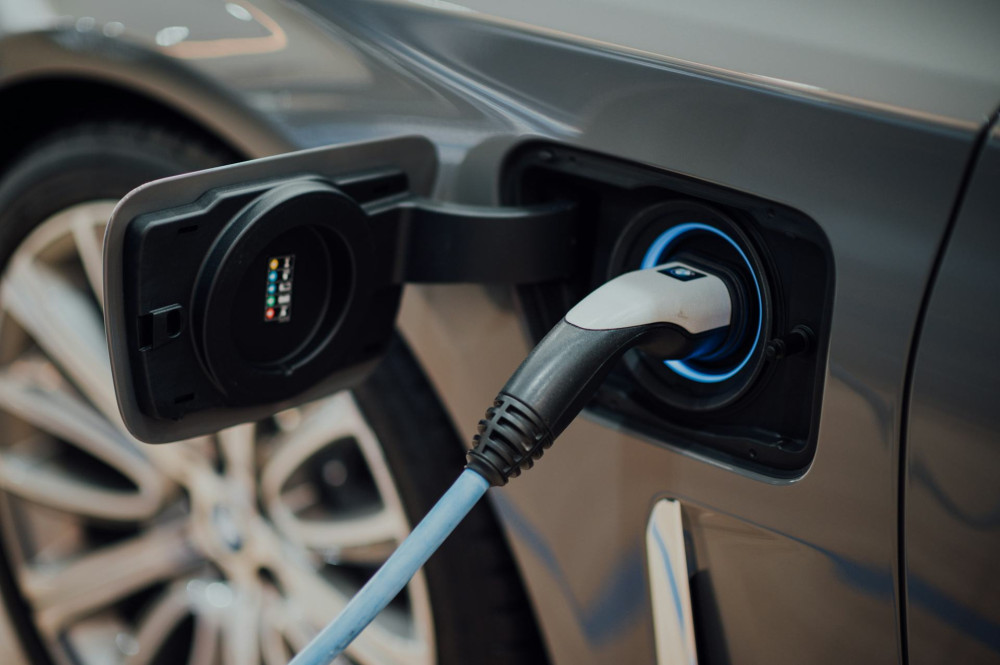
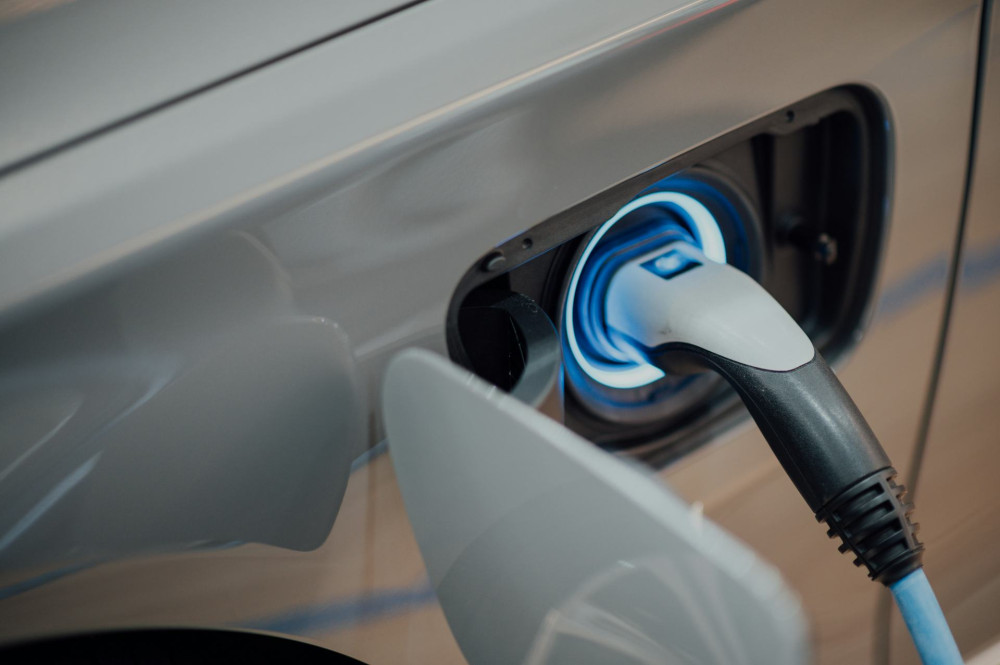
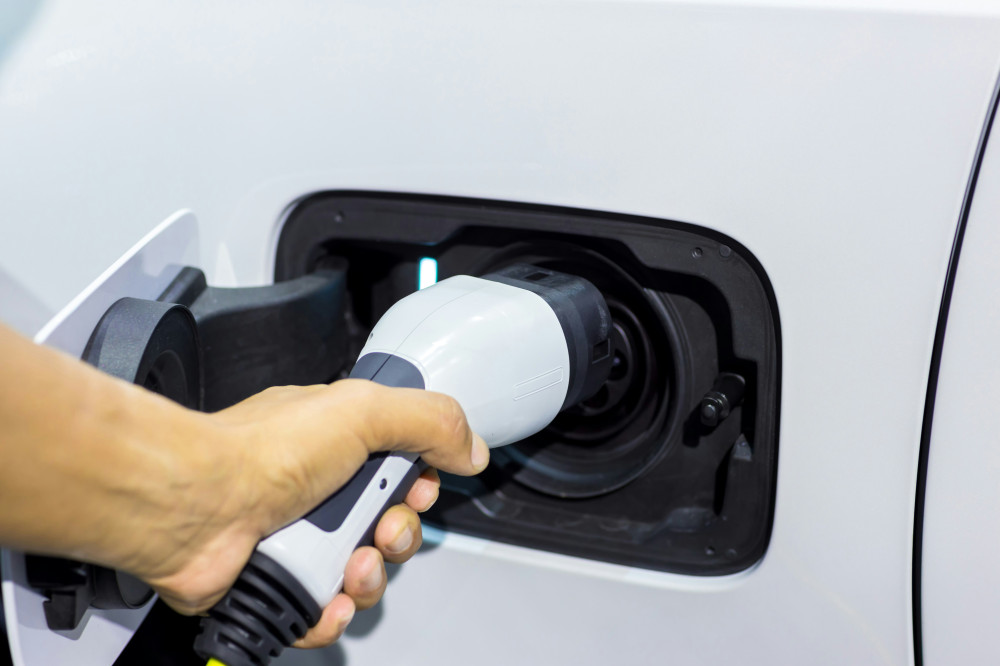
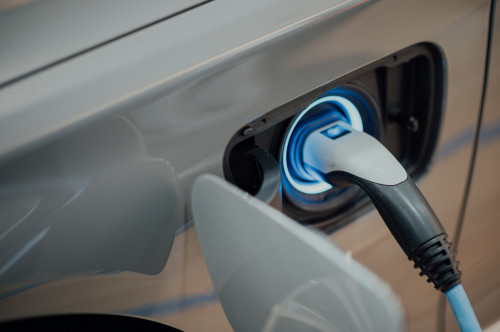
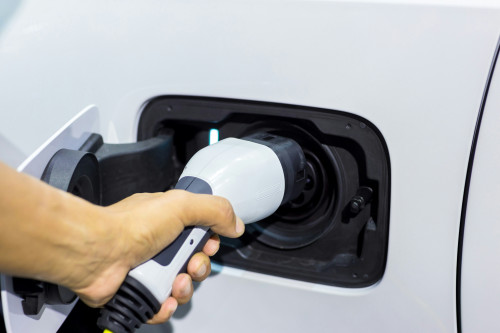
- Transportation Fuels – Gasoline and diesel dominate, but electric vehicles (EVs) are gaining ground as charging infrastructure expands.
Knowing which sources power your home and community helps you make smarter choices about energy use and potential upgrades.
Læs også:

How to Use Energy More Efficiently
Energy efficiency isn’t just about cutting back — it’s about getting the most out of the energy you already use. Small changes in habits and technology can make a big difference for both your wallet and the environment.
1. Improve Heating and Cooling Efficiency
Heating and cooling account for nearly half of a typical U.S. home’s energy use. Make sure your HVAC system is properly maintained, replace filters regularly, and seal any leaks in ducts or around windows. Lowering your thermostat by just one or two degrees in winter (or raising it slightly in summer) can reduce energy use by up to 5%.
If your system is more than 10–15 years old, consider upgrading to an ENERGY STAR® certified heat pump or high-efficiency furnace. These systems use less energy and can significantly cut your utility bills.
2. Make the Most of Renewable Power
Many utilities now offer “green power” programs that let you choose electricity from renewable sources. If you own your home, installing rooftop solar panels can reduce your dependence on the grid and lower your long-term energy costs. Even if solar isn’t an option, you can shift energy use to times when renewable generation is high — for example, running your dishwasher or charging your EV during sunny or windy hours.
3. Insulate and Seal Your Home
Good insulation keeps warm air in during winter and cool air in during summer. Check your attic, walls, and basement for insulation quality, and seal gaps around doors and windows. Weatherstripping and caulking are inexpensive fixes that can save hundreds of dollars a year in heating and cooling costs.
4. Choose Energy-Efficient Appliances
When replacing old appliances, look for the ENERGY STAR® label. These products meet strict efficiency standards and use significantly less energy than older models. Also, unplug devices or use smart power strips to eliminate “phantom” energy use from electronics left on standby.
5. Use Natural Light and Smart Controls
Take advantage of daylight by opening blinds and curtains during the day, and close them at night to retain heat. Smart thermostats and lighting systems can automatically adjust settings based on your habits, saving energy without sacrificing comfort.
Make Energy Awareness Part of Everyday Life
Using energy efficiently isn’t just about technology — it’s about awareness. When you understand your energy sources and how they work, it becomes easier to make small, meaningful changes that add up over time. Whether it’s choosing renewable electricity, improving insulation, or simply turning off lights when you leave a room, every action counts.
By knowing your energy sources and using them wisely, you can save money, reduce your carbon footprint, and help build a more sustainable energy future for everyone.
Læs også: