Energy Savings as Part of Exterior Home Maintenance

Energy Savings as Part of Exterior Home Maintenance
When people think about saving energy, they often picture attic insulation, new windows, or a high-efficiency HVAC system. But the exterior of your home—the roof, siding, windows, and doors—plays a much bigger role in energy performance than many realize. By making energy efficiency a natural part of your regular exterior maintenance, you can extend the life of your home, lower your utility bills, and increase comfort. Here’s how to combine upkeep and energy improvements in a smart, cost-effective way.
Start with an Energy Assessment
Before starting any major projects, it’s wise to understand where your home is losing energy. A professional home energy audit can identify leaks, insulation gaps, and other inefficiencies. Many local utilities and state energy programs offer rebates or discounts for these audits. The report will help you prioritize improvements that deliver the best return on investment.
You can also do a quick self-check: feel for drafts around windows and doors, look for cracks in siding or gaps around vents, and inspect your attic for signs of air leaks or moisture. These small observations can point you toward the most effective upgrades.
Siding and Exterior Walls – More Than Curb Appeal
Your home’s siding doesn’t just affect how it looks—it also protects against weather and heat loss. Cracks, gaps, or deteriorating caulk can allow air and moisture to enter, reducing insulation performance and increasing energy use.
When repainting or replacing siding, consider adding insulated siding or exterior wall insulation. This can significantly reduce heat transfer and improve comfort year-round. It’s an investment that pays off through lower heating and cooling costs and a more durable building envelope.
Don’t forget the foundation area. Sealing gaps and insulating basement walls or crawl spaces can prevent cold floors and reduce overall energy loss.
The Roof – Your Home’s First Line of Defense
The roof is one of the most critical areas for energy efficiency. Heat rises, and without proper insulation, much of it escapes through the attic. If you’re planning to replace your roof, it’s the perfect time to upgrade attic insulation and seal air leaks. Adding proper ventilation also helps regulate temperature and prevent moisture buildup.
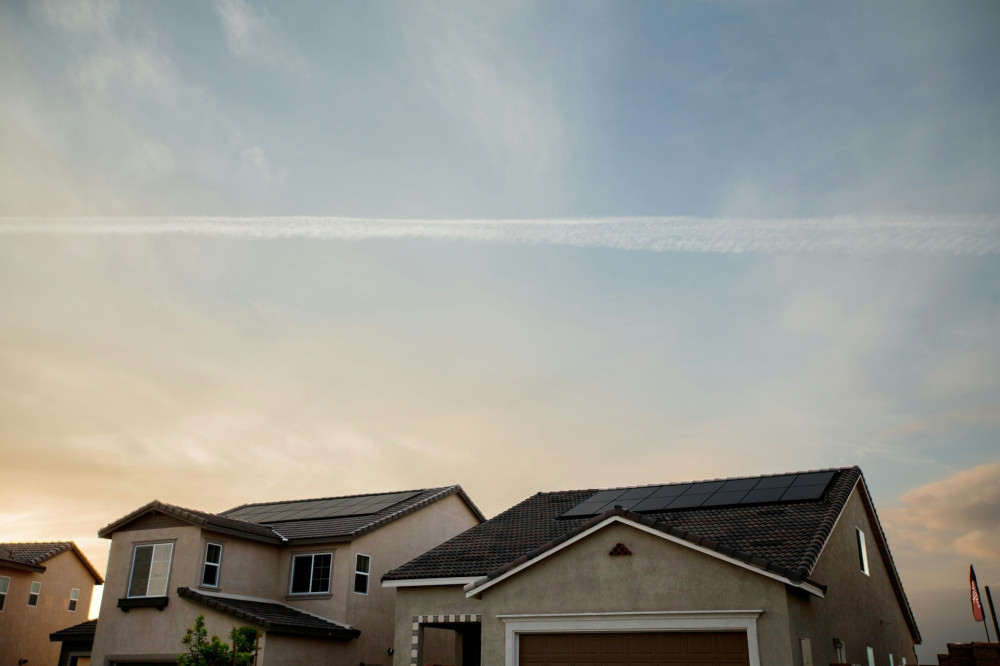
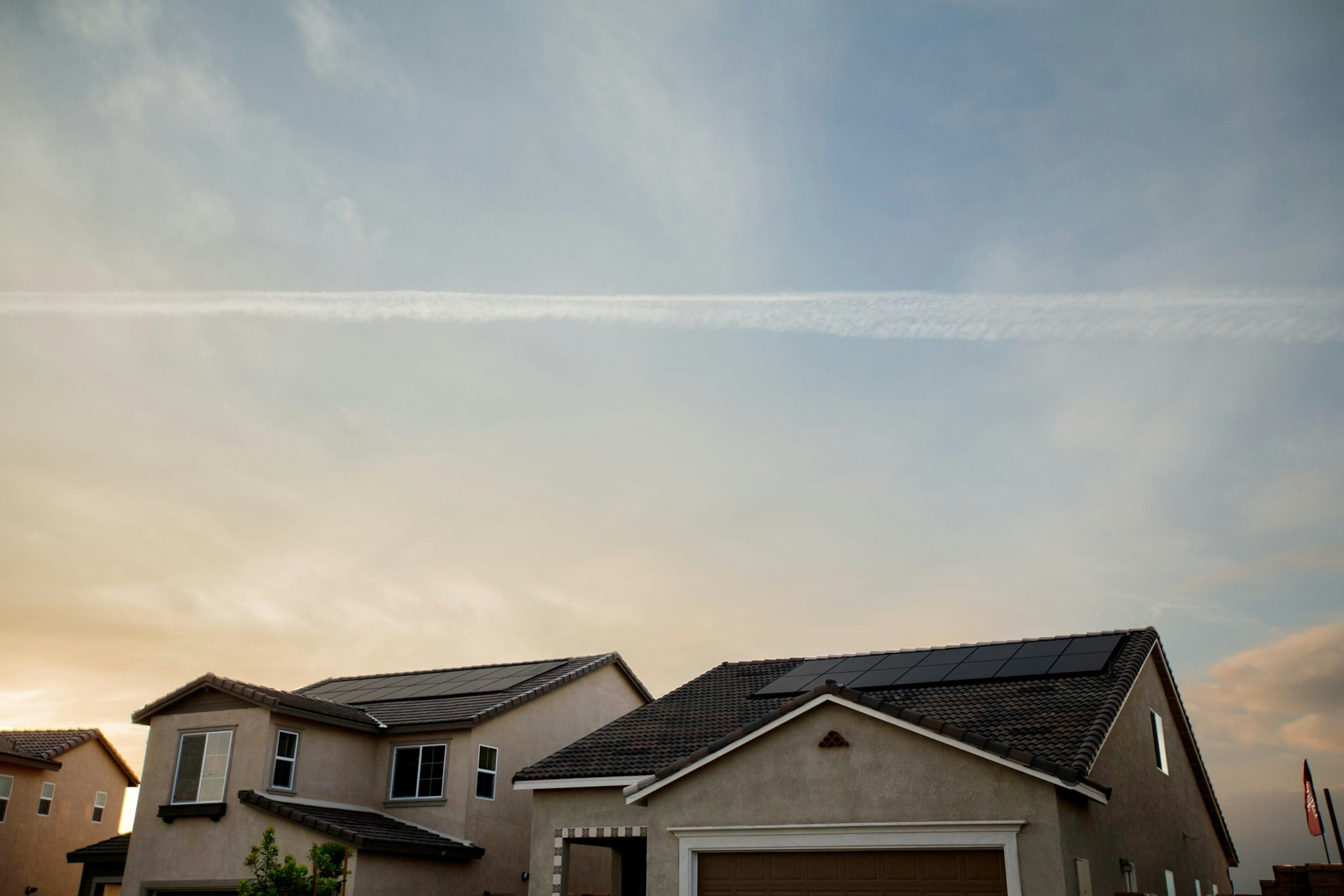
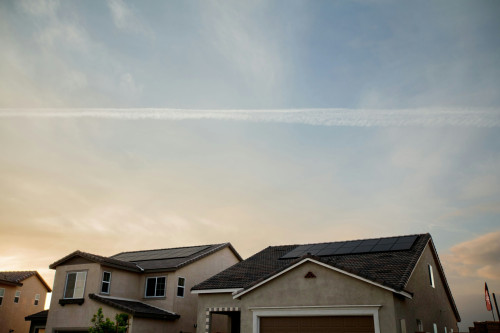
You might also consider solar panels or solar shingles when re-roofing. Federal tax credits and state incentives can make solar energy more affordable, and it can significantly reduce your electricity bills over time.
Læs også:
Windows and Doors – Small Gaps, Big Impact
Leaky windows and doors can account for up to 30% of a home’s heating and cooling losses. If replacement isn’t in your budget yet, you can still improve efficiency by adding weatherstripping, caulking, or storm windows. These low-cost fixes can make a noticeable difference.
When it’s time to replace, choose ENERGY STAR®-rated windows and doors with low U-factors and low-emissivity (Low-E) coatings. Proper installation is just as important as the product itself—poor sealing can negate even the best window’s performance.
Paint, Coatings, and Color Choices
Even your choice of paint can influence energy use. Light-colored paints reflect sunlight and help keep your home cooler in hot climates, while darker colors absorb heat and can be beneficial in colder regions. Reflective or “cool roof” coatings can also reduce heat absorption and lower air conditioning costs.
A high-quality exterior paint or sealant also protects against moisture and UV damage, extending the life of your siding and trim—saving both energy and maintenance costs in the long run.
Plan Maintenance Strategically
Coordinating energy upgrades with regular maintenance can save time and money. For example, if you’re repainting your siding, check the insulation behind it. If you’re repairing the roof, add insulation or install solar panels while the work is underway. By planning projects together, you can avoid redundant labor and maximize the benefits of each improvement.
A Smart Investment in Comfort and Value
Energy efficiency isn’t just about lower utility bills—it’s about comfort, durability, and sustainability. A well-insulated, tightly sealed home stays warmer in winter, cooler in summer, and requires less maintenance over time.
By viewing energy improvements as part of your ongoing exterior maintenance, rather than as separate projects, you can create a home that’s more comfortable, environmentally responsible, and financially sound—without sacrificing style or curb appeal.
Læs også: