Decorate Smart and Make the Most of Your Home’s Space

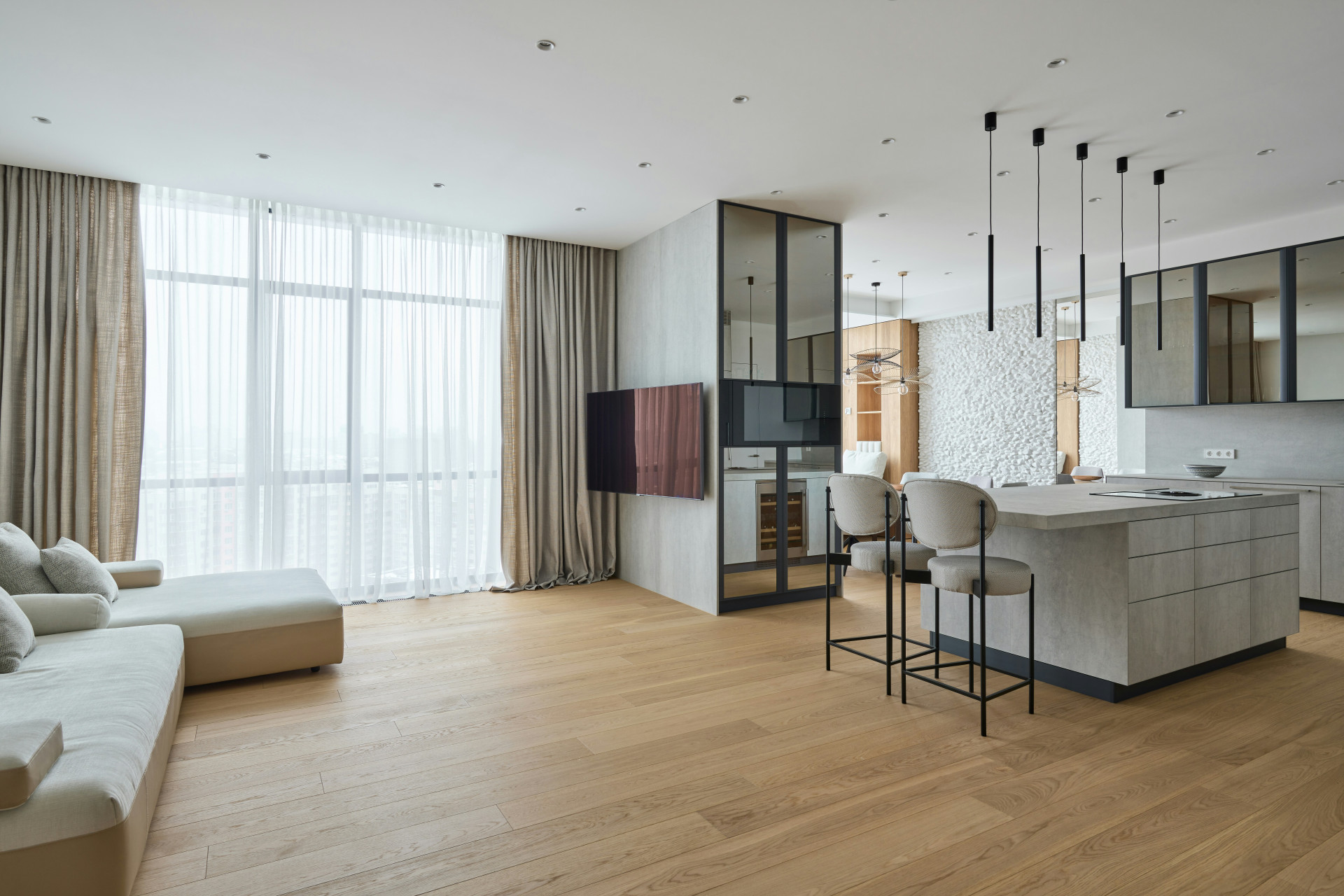
Decorate Smart and Make the Most of Your Home’s Space
Whether you live in a compact city apartment or a spacious suburban house, making the most of your home’s space can be a challenge. A well-designed home isn’t just about looks—it’s about functionality and comfort. With a few smart strategies and creative ideas, you can create a space that feels open, organized, and uniquely yours.
Think in Zones, Not Just Rooms
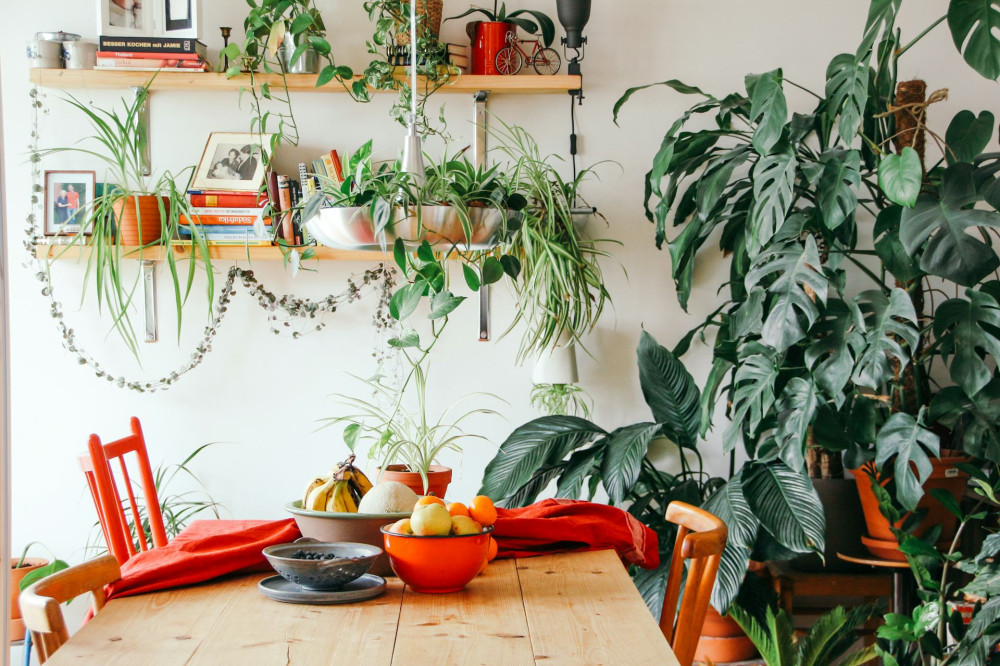
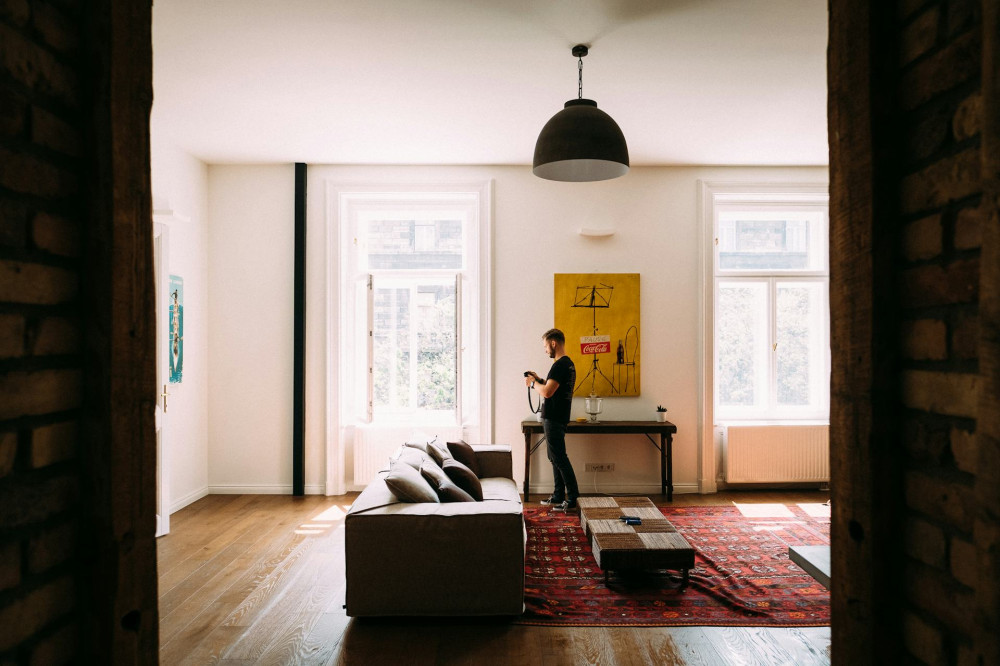
In many modern American homes, open floor plans blur the lines between the kitchen, dining, and living areas. Instead of thinking in terms of separate rooms, try organizing your space into zones. Use rugs, lighting, or furniture placement to define different areas. A rug under the dining table can mark the eating zone, while a bookshelf or a tall plant can create a natural boundary for the living area.
Zoning helps you use your space more flexibly and gives your home a sense of structure—even when square footage is limited.
Choose Multifunctional Furniture
When space is tight, every piece of furniture should earn its keep. Look for items that serve more than one purpose: a sleeper sofa for guests, a coffee table with hidden storage, or a dining table that extends when you need extra seating. Foldable or mobile furniture can also make it easy to adapt your layout for different occasions.
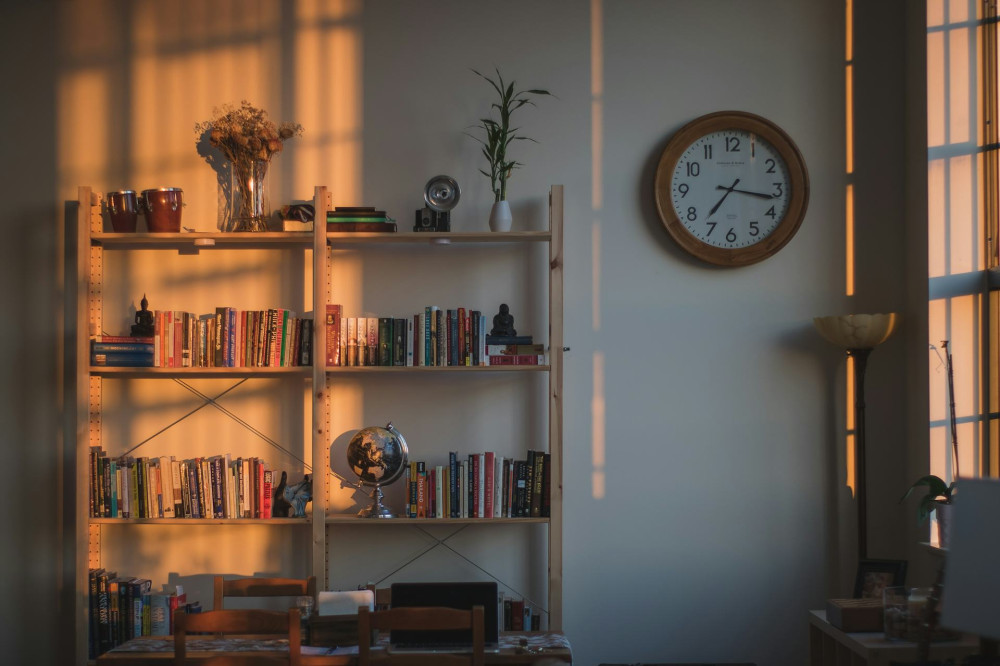
Don’t forget to think vertically. Wall-mounted desks, shelves, and cabinets take advantage of height and free up floor space, making your home feel larger and more open.
Læs også:

Find Storage in Unexpected Places
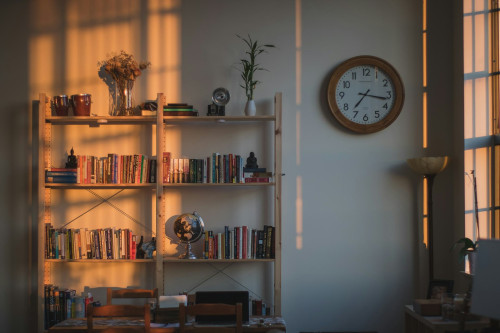
Every home has hidden potential for storage. Under the bed, above doorways, or beneath staircases—these often-overlooked spots can be transformed into practical storage areas. Use baskets, bins, and labeled boxes to keep things tidy and easy to find.
In the kitchen, make use of wall space with magnetic strips, hooks, or narrow shelves for spices and utensils. In the entryway, a slim cabinet or a bench with drawers can keep shoes and coats organized without cluttering the space.
Light and Color Make a Big Impact
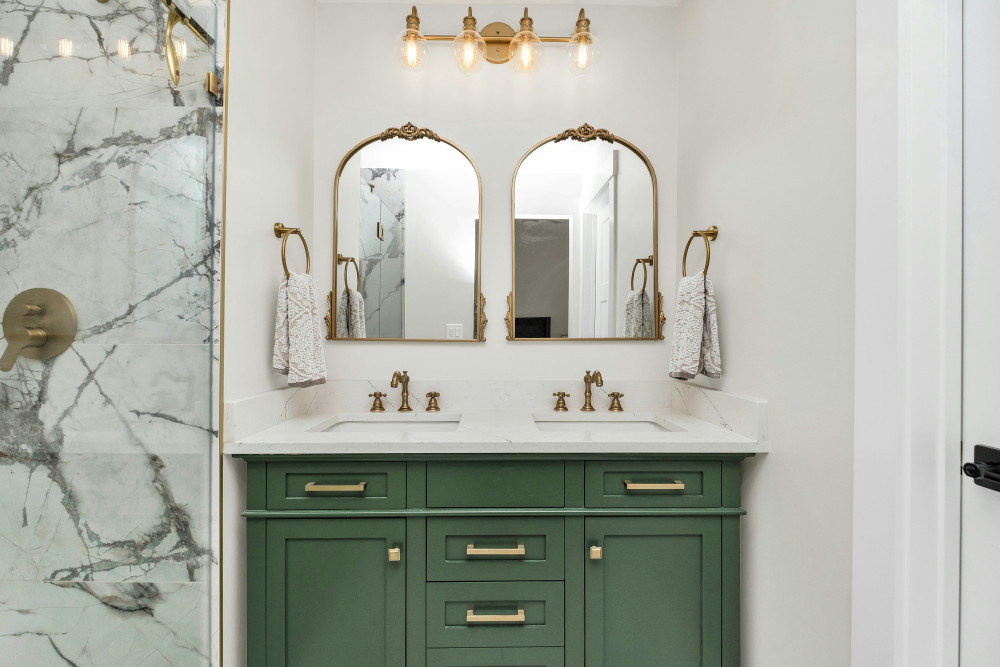
Light and color dramatically affect how we perceive space. Light-colored walls and ceilings make rooms feel larger and brighter, while darker tones can add warmth and depth. Mirrors are another powerful tool—they reflect light and create the illusion of more space.
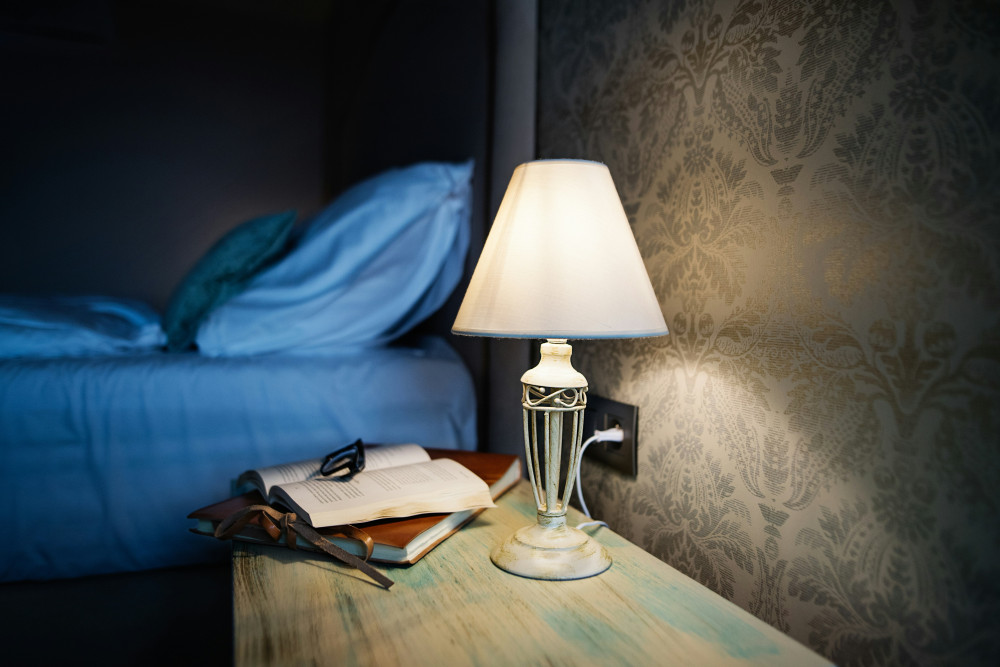
Whenever possible, maximize natural light. If your home doesn’t get much sunlight, layer your lighting with ceiling fixtures, floor lamps, and table lamps to create both functional and cozy illumination.
Declutter and Keep It Simple
Even the smartest design can’t shine in a cluttered home. One of the easiest ways to make your space feel bigger is simply to own fewer things. Regularly go through your belongings and keep only what you use or truly love. This not only frees up space but also brings a sense of calm and order.
Minimalism doesn’t mean living without personality—it’s about being intentional. When you surround yourself with fewer, well-chosen items, each one stands out and contributes to a harmonious atmosphere.
Make Room for What Matters Most
Smart decorating isn’t just about saving space—it’s about creating a home that supports your lifestyle. If you love cooking, invest in a well-organized kitchen. If you work from home, carve out a dedicated workspace that helps you focus. The key is to design your home around your needs, not around trends or magazine ideals.
With thoughtful planning and a bit of creativity, even a small home can feel spacious and inviting. It’s all about balance—between function and beauty, simplicity and comfort, and the life you live and the space you call home.
Læs også: