Tradition Meets Technology – Uniting Sustainable and Modern Building Methods

Tradition Meets Technology – Uniting Sustainable and Modern Building Methods
In recent years, the American construction industry has entered a period of rapid transformation. New technologies, stricter environmental standards, and changing expectations for comfort and design have sparked a movement where traditional craftsmanship meets digital innovation. The result is a new way of building—one that honors materials and the environment while embracing precision, efficiency, and sustainability.
But how can we combine the best of the past with the possibilities of the future? And what does this mean for builders, architects, and homeowners across the United States?
The Strength of Tradition – Craft, Character, and Longevity
Traditional building methods have endured for centuries because they are rooted in a deep understanding of materials and climate. Timber framing, stone masonry, and handcrafted joinery are not only visually appealing—they are also durable and functional when executed with skill.
Historic techniques such as lime plaster, natural paints, and passive ventilation systems have proven their ability to create healthy, breathable buildings that adapt to their surroundings. In many parts of the U.S., from New England’s colonial homes to the adobe structures of the Southwest, these methods have stood the test of time.
Today, there is a growing movement to rediscover these practices—not as nostalgic gestures, but as sustainable alternatives to energy-intensive modern construction.
The Power of Technology – Precision and Performance
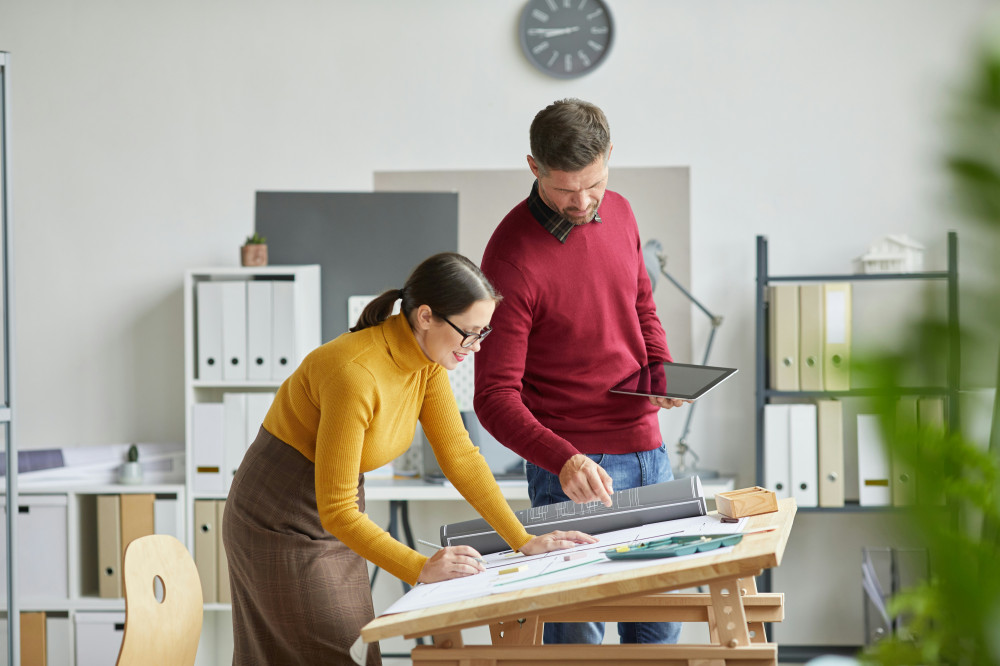
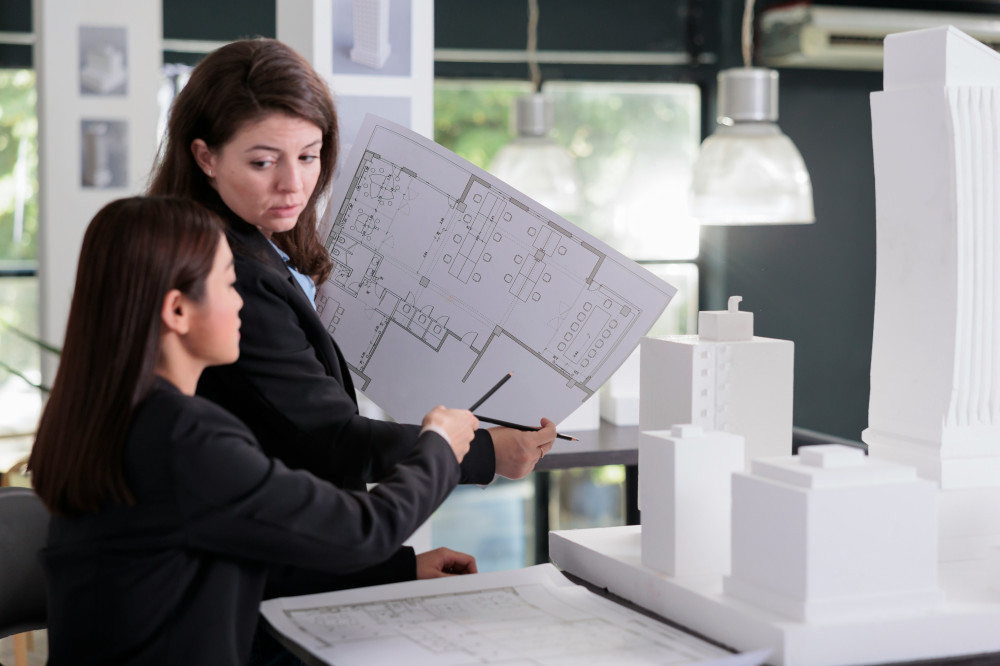
At the same time, technology has revolutionized how we design and build. Digital tools like Building Information Modeling (BIM), 3D scanning, and prefabrication allow for levels of accuracy and coordination that were once unimaginable.
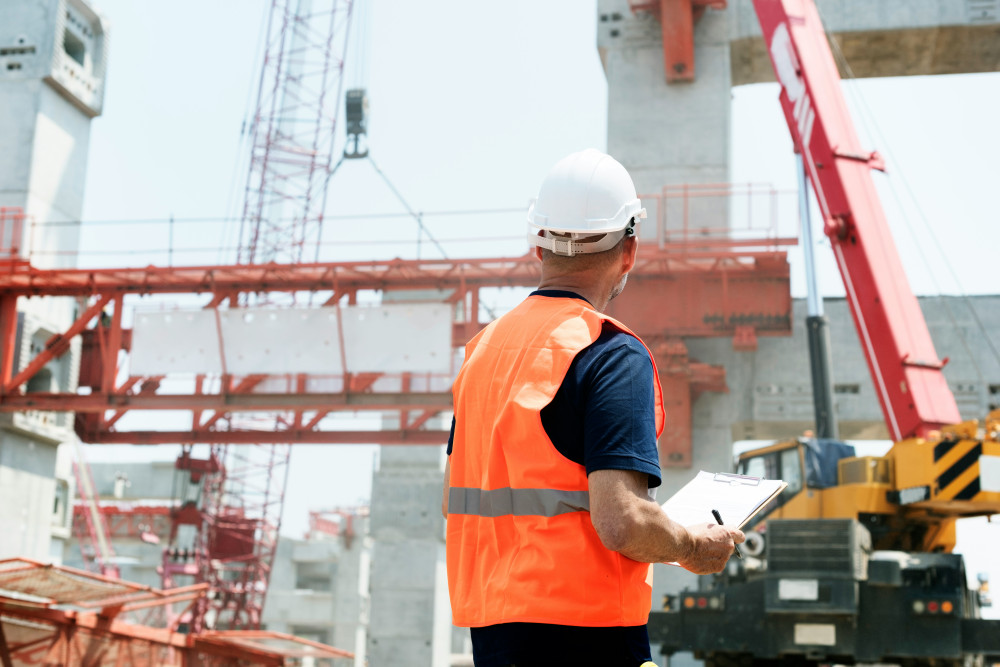
Robotic fabrication can cut wood and steel with millimeter precision, while drones monitor construction sites for safety and quality. New materials—such as cross-laminated timber (CLT), recycled concrete, and 3D-printed clay—are expanding the possibilities for sustainable design. These innovations make it easier to reduce waste, track energy performance, and ensure that buildings meet the highest environmental standards.
Technology doesn’t replace craftsmanship—it enhances it, providing tools that help builders work smarter and more sustainably.
Where Tradition and Technology Converge
The most exciting developments happen when these two worlds come together. Across the U.S., architects and builders are blending traditional materials with modern methods to create structures that are both timeless and forward-looking.
For example, locally sourced wood can be shaped with CNC machines to form precise joints without metal fasteners. Historic preservation projects now use digital scanning to replicate original details with remarkable accuracy. In rural communities, traditional barn-building techniques are being reimagined with energy-efficient materials and smart systems.
This fusion of old and new brings together the cultural and aesthetic value of tradition with the technical precision of modern innovation.
Læs også:
Sustainability as a Shared Goal
Whether constructing new buildings or restoring old ones, sustainability has become the unifying principle. Traditional methods are inherently sustainable because they rely on local materials and low-energy processes. Modern technology, on the other hand, helps optimize energy use, minimize waste, and extend the lifespan of buildings.
When these approaches are combined, the result is architecture that is environmentally responsible, economically sound, and visually compelling. Passive house design, for instance, integrates insulation, natural ventilation, and solar energy—often inspired by traditional building wisdom that takes advantage of sunlight, shade, and prevailing winds.
The Future of Building – Human and Digital in Harmony
The future of construction in America is not just about technology—it’s about people. The role of craftsmanship is evolving, not disappearing. In fact, it’s becoming even more essential as digital designs are brought to life through skilled hands.
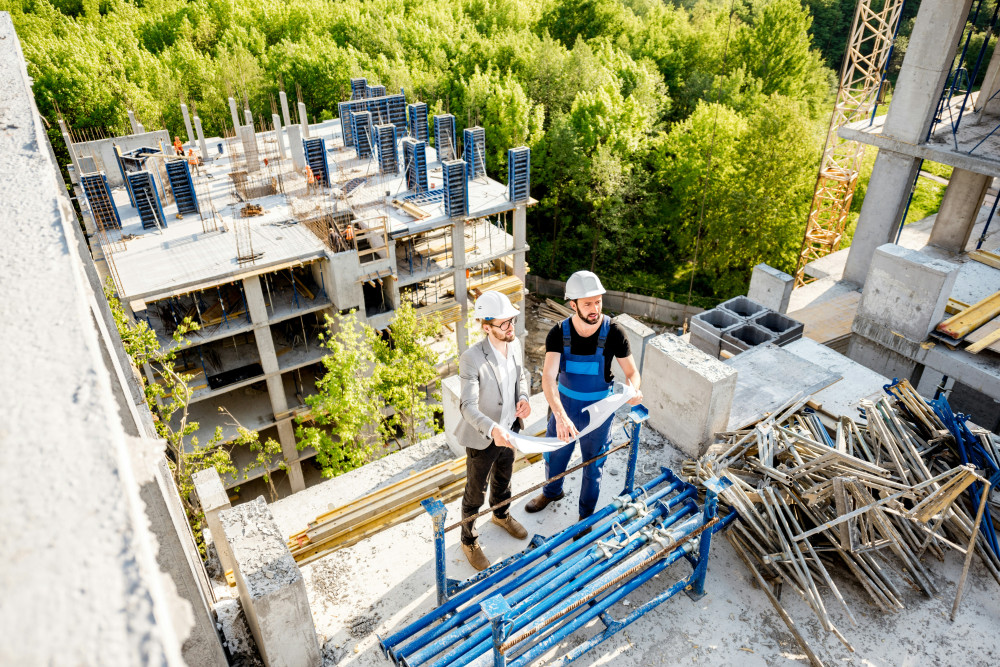
The best buildings emerge when architects, engineers, and craftspeople collaborate—respecting both tradition and innovation. It takes dialogue, curiosity, and a willingness to learn from one another.
When tradition meets technology, we don’t just create better buildings—we create a more sustainable and connected way of thinking about the built environment. The lessons of the past become the foundation for the resilient, energy-efficient, and beautiful structures of the future.
Læs også: