The Capsule Wardrobe: How to Find the Right Number of Clothing Pieces

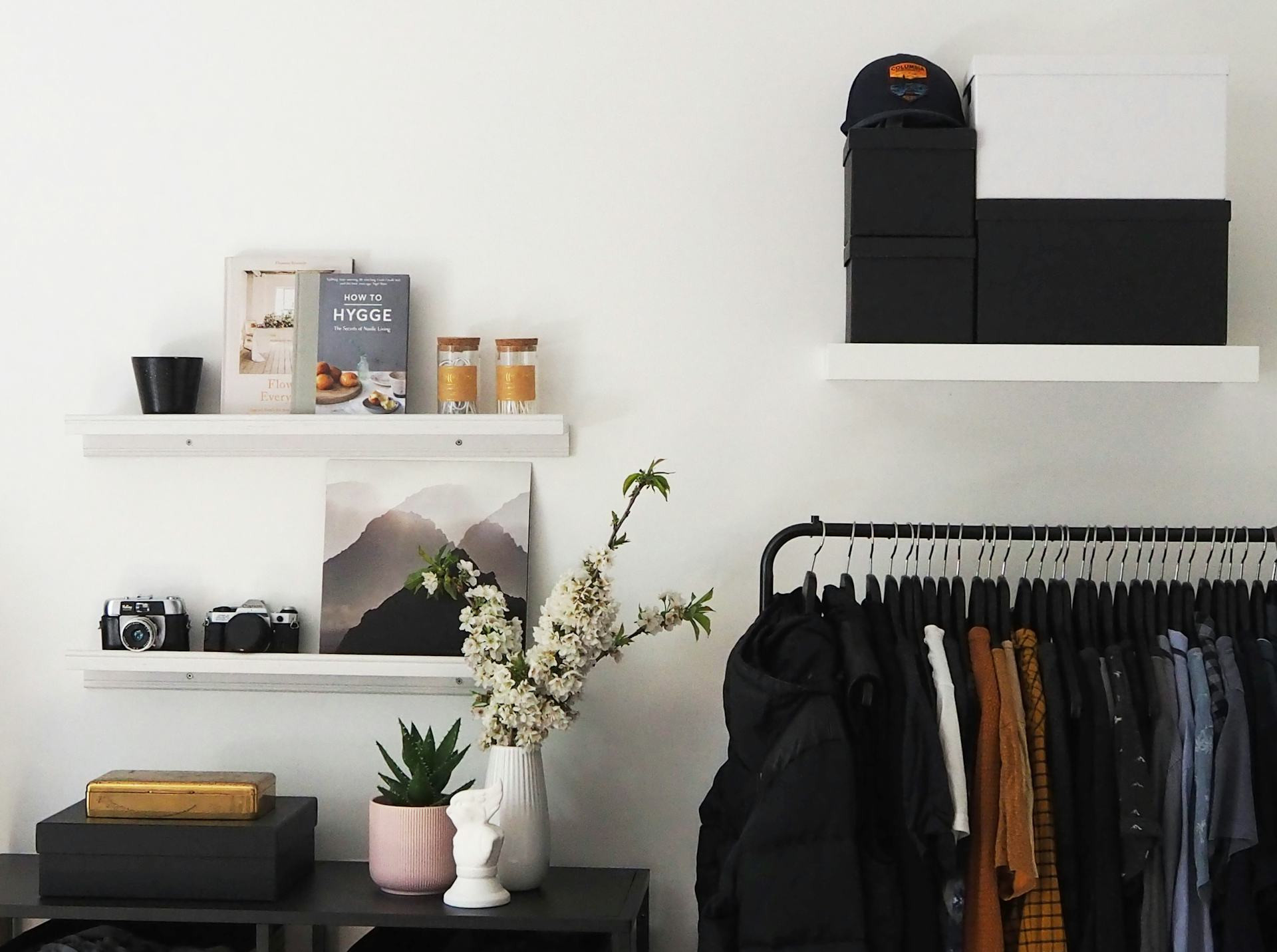
The Capsule Wardrobe: How to Find the Right Number of Clothing Pieces
A capsule wardrobe is all about simplifying your closet while refining your personal style. Instead of owning piles of clothes you rarely wear, you focus on a smaller, carefully chosen collection that works together seamlessly. But how many pieces should you actually have—and how do you find the right number for your lifestyle? Here’s a guide to help you strike the perfect balance between practicality, aesthetics, and individuality.
What Is a Capsule Wardrobe?
A capsule wardrobe is a curated selection of clothing that can be mixed and matched to create a variety of outfits. The idea is to make getting dressed easier, reduce decision fatigue, and encourage more mindful consumption.
The concept gained popularity in the U.S. through minimalist fashion movements and sustainability trends. While some people aim for 25–40 pieces per season, there’s no universal rule. The goal is to own only what you truly wear and love—no more, no less.
Start by Defining Your Needs
Before deciding on a number, take a close look at your daily life. Do you work in an office, from home, or outdoors? Do you need separate outfits for work, weekends, and special occasions? And how does the climate in your region affect your wardrobe needs?
Make a list of the situations you typically dress for—work, casual days, exercise, and events. This will help you understand what your wardrobe really needs to cover.
Finding Your Personal Number
There’s no magic number that fits everyone. Some people swear by 33 pieces, others prefer 50. The right number depends on your lifestyle, climate, and preferences. Here’s a simple way to find your own:
- Empty your closet and lay everything out.
- Sort into three piles: what you love and wear often, what you rarely wear, and what you never wear.
- Count what you actually use. That gives you a realistic idea of your needs.
- Experiment. Try living with a smaller number—say, 35 pieces—and see if you miss anything. If not, you’ve found your sweet spot.
Most people count everyday clothing only, while items like underwear, workout gear, and outerwear are tracked separately. Adjust the system to fit your lifestyle.
Think in Terms of Cohesion and Color
A successful capsule wardrobe is built on pieces that work well together. Choose a color palette that allows for easy mixing and matching. Start with a neutral base—black, white, gray, navy, or beige—and add a few accent colors or patterns that reflect your personality.
Look for versatile items that can transition between settings. A denim jacket can work for both casual and slightly dressier looks, and a simple dress can be styled differently with shoes and accessories.
Læs også:


Rotate with the Seasons
Most capsule wardrobes work best when updated seasonally. That doesn’t mean buying new clothes every few months—it simply means rotating items to match the weather. When you store away winter pieces in spring, take the opportunity to evaluate what you actually wore and what can be donated or sold.
A seasonal rotation keeps your closet fresh and helps prevent impulse shopping.
The Benefits of Owning Less
Having fewer, better-chosen pieces offers several advantages:
- Less stress in the morning – everything goes together.
- Higher quality – you can invest in durable, well-made items.
- More sustainability – fewer purchases mean less waste.
- Clearer personal style – you learn what truly suits you.
Many people find that a capsule wardrobe doesn’t feel restrictive—it feels freeing. Getting dressed becomes simpler, and you feel more confident in what you wear.
A Wardrobe That Fits Your Life
There’s no single “right” way to build a capsule wardrobe. Some thrive with 25 pieces, others with 50. What matters most is finding a number that fits your lifestyle and makes you feel good. A capsule wardrobe isn’t about perfection—it’s about creating calm, clarity, and joy in your daily routine.
Start small, stay realistic, and remember: the goal isn’t to own the least—it’s to own what’s right for you.
Læs også: