Pack the Moving Truck Efficiently – Step-by-Step Guide


Pack the Moving Truck Efficiently – Step-by-Step Guide
Moving can quickly turn chaotic if you don’t plan how to load your moving truck. With the right approach, you can save time, energy, and prevent damage to your belongings. Here’s a step-by-step guide to packing your moving truck efficiently and safely—whether you’re moving across town or across the country.
Step 1: Prepare Everything Before the Truck Arrives
A successful move starts before the truck even pulls up. Make sure everything is packed in sturdy boxes and clearly labeled with the room and contents. This will make unloading and unpacking much easier.
- Use uniform boxes – they stack better and make the most of the available space.
- Seal boxes securely – use strong packing tape to prevent them from opening during transport.
- Disassemble large furniture – remove legs, shelves, and handles to make items easier to move and fit.
- Pack fragile items separately – use blankets, bubble wrap, or towels for protection.
When everything is sorted by room and ready to go, loading becomes much more organized.
Step 2: Plan the Loading Order
Think of the moving truck as a giant puzzle. The goal is to distribute weight evenly and use every inch of space efficiently. Plan what goes in first and what you’ll need access to last.
- Heavy items first – such as appliances, dressers, and boxes of books. Place them at the front of the truck and on the bottom.
- Lighter items last – like pillows, clothes, and lamps. These can go on top or fill gaps.
- Balance the load – distribute weight evenly from side to side for safer driving.
- Keep essentials for last – cleaning supplies, tools, and a “first-night” box with toiletries, bedding, and snacks.
A good rule of thumb: pack in layers, with heavy and stable items on the bottom and lighter, flexible ones on top.
Step 3: Protect Furniture and Electronics
Even small movements during transport can cause scratches or damage. Take time to protect your belongings properly.
- Moving blankets or pads protect against bumps and scratches.
- Straps and bungee cords keep furniture and boxes from shifting.
- Bubble wrap or foam around electronics and glass surfaces prevents breakage.
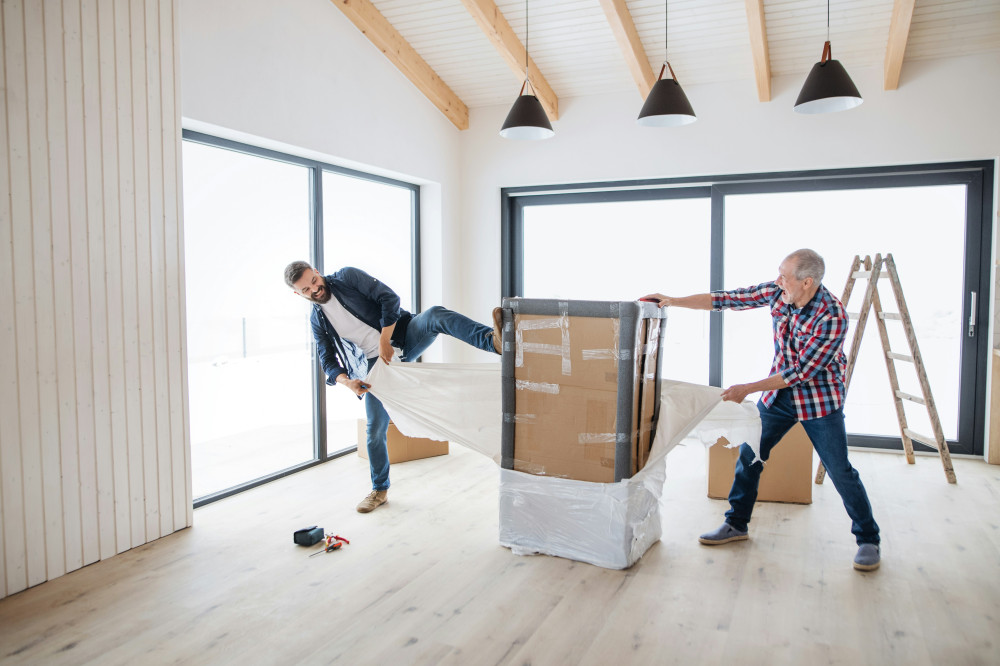
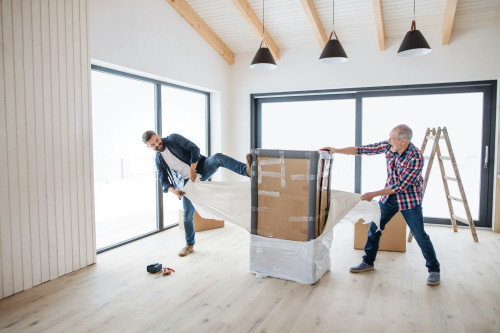
- Plastic wrap can hold drawers and doors closed.
If you’re moving in rainy weather, cover furniture with plastic before carrying it outside.
Step 4: Maximize Space
Once the large items are loaded, it’s time to fill in the gaps. Smaller items can act as “cushions” between bigger pieces.
- Fill empty furniture spaces like drawers or cabinets with lightweight items such as clothes or linens.
- Use mattresses and blankets as padding between furniture.
- Pack bags of clothing into open spaces—they mold to fit and prevent shifting.
- Make sure nothing can roll or slide during the drive.
The tighter you pack, the less likely things are to move around and get damaged.
Læs også:


Step 5: Secure Everything Before You Drive
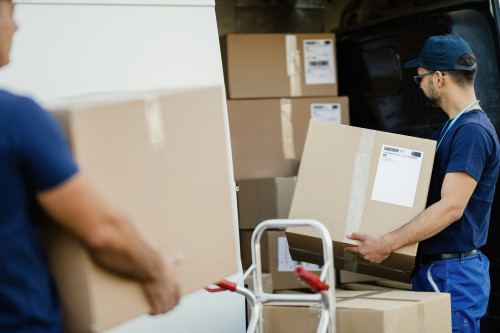
When the truck is full, secure everything so it doesn’t shift during transport. Use the tie-down straps provided with the truck and tighten them around heavy items.
- Start with the largest furniture pieces and strap them to the truck’s walls.
- Use extra straps for tall stacks of boxes.
- Check that the door closes easily without pressing against anything.
A quick final inspection can save you from a lot of frustration later.
Step 6: Unload Systematically
When you arrive at your new home, unloading in the right order will save time and effort. Start with the large furniture so you can position it before the rooms fill up with boxes. Then bring in boxes by room—it makes unpacking much smoother.
Have one person stay in the truck to hand items out while another places them inside. This reduces the risk of damage and keeps the process efficient.
Extra Tips: Make Moving Day Easier
- Keep water and snacks handy—moving is hard work.
- Make sure you have good lighting if you’re loading or unloading after dark.
- Take photos of cable connections before disassembling electronics.
- Bring basic tools for reassembling furniture.
With a bit of planning and structure, you can make moving day faster, safer, and a lot less stressful—maybe even enjoyable.
Læs også: