Know the Most Common Types of Home Security Alarms

Know the Most Common Types of Home Security Alarms
A home security system is one of the most effective ways to protect your property from burglary, fire, and other emergencies. But with so many options on the market, it can be difficult to decide which type of alarm best fits your needs. Should you go for a traditional burglar alarm, a smart system, or one that includes professional monitoring? Here’s an overview of the most common types of home security alarms in the U.S.—and what to consider before choosing one.
Burglar Alarms – The Classic Protection Against Intrusion
Burglar alarms are the most common type of home security system. They typically include motion sensors, door and window contacts, and a control panel that triggers an alarm if a break-in is detected.
There are two main types:
- Local alarm systems – These sound a loud siren when triggered. The noise can scare off intruders but relies on neighbors or passersby to respond.
- Monitored alarm systems – These are connected to a professional monitoring center that receives alerts when the alarm goes off. The monitoring team can contact you, dispatch emergency services, or send a security guard if needed.
Burglar alarms can be either wired or wireless. Wireless systems are easier to install and are popular among homeowners, while wired systems are often used in larger properties or new constructions where cables can be built into the walls.
Smart Alarms – When Security Meets Technology
Smart alarms represent the next generation of home security. They can be controlled through a smartphone, tablet, or computer, giving you full access to your system no matter where you are.
With a smart alarm, you can:
- Arm or disarm your system remotely.
- Receive instant notifications if motion or entry is detected.
- Integrate your alarm with other smart home devices such as lights, cameras, and smart locks.
Smart alarms are ideal for homeowners who want flexibility and control. Many systems can be expanded with additional features like video surveillance, smoke detection, or water leak sensors, creating a complete home protection network.
Fire Alarms – Early Warning Saves Lives
A fire alarm is not just a safety recommendation—it’s a legal requirement in most U.S. homes. Smoke alarms detect smoke particles or heat and emit a loud sound to alert occupants.
Common types include:
- Photoelectric smoke alarms – Detect smoke and are suitable for most rooms.
- Ionization smoke alarms – Respond quickly to fast-flaming fires.
- Combination alarms – Detect both smoke and carbon monoxide for added safety.
Modern fire alarms can be interconnected so that if one alarm goes off, all alarms in the home sound simultaneously. This feature increases the chance of waking everyone in time to escape safely.
Security Cameras – An Extra Layer of Protection
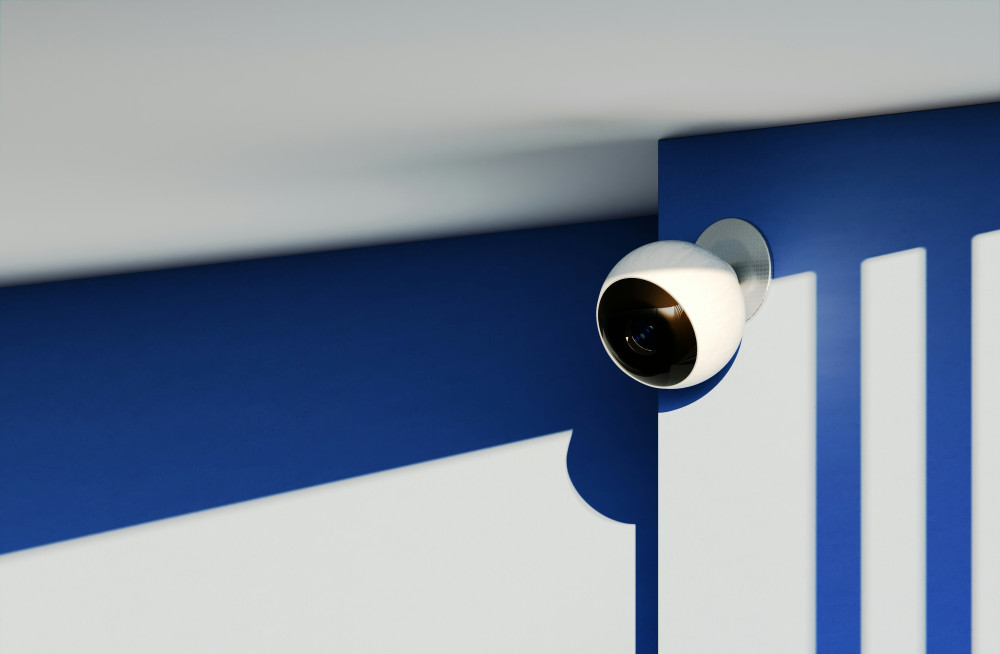
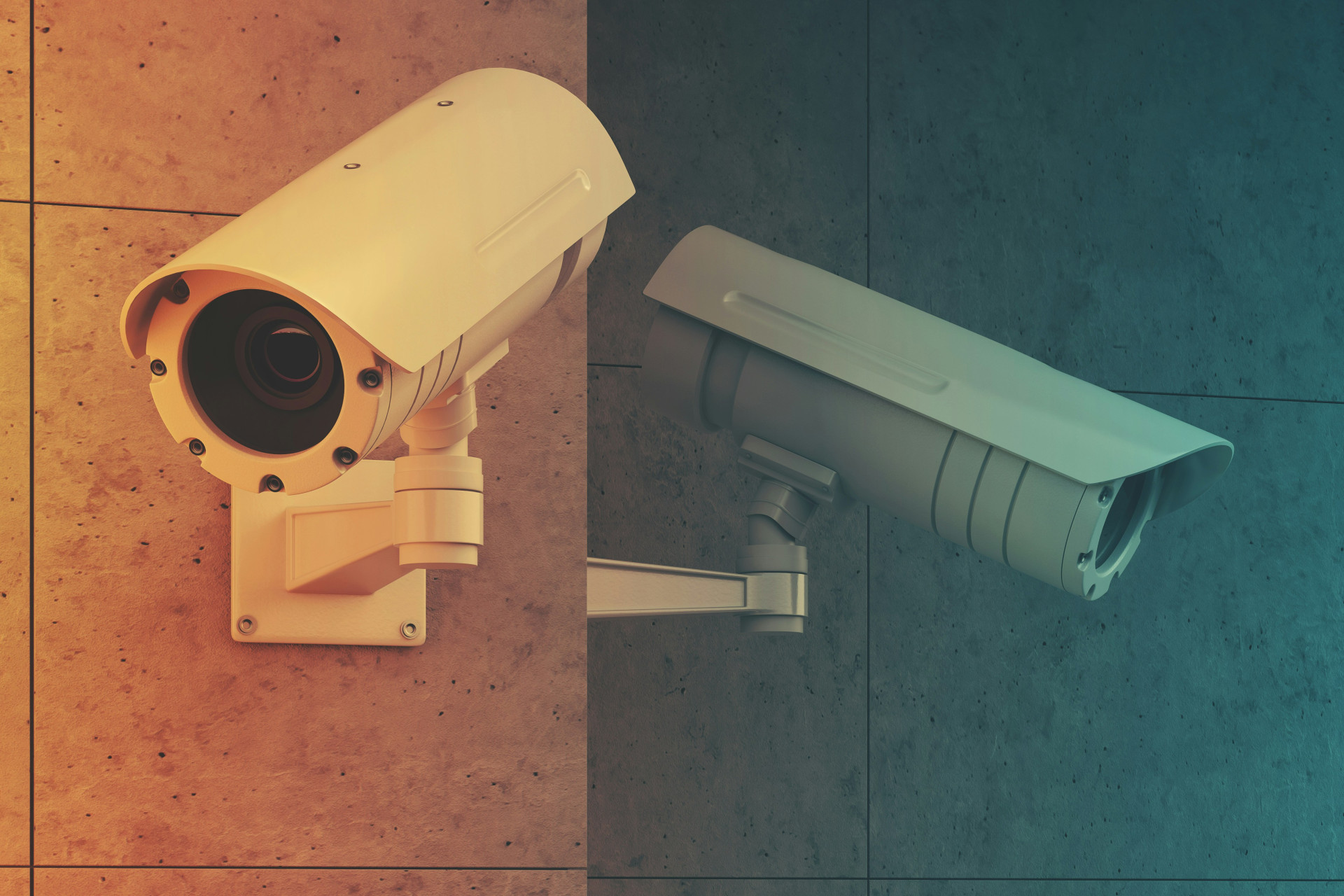
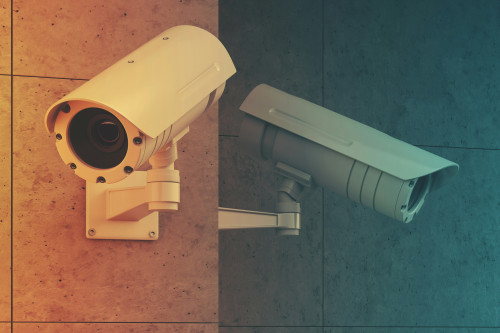
Security cameras are becoming increasingly popular as part of home security systems. They not only deter potential intruders but also provide valuable evidence if an incident occurs.
You can choose between:
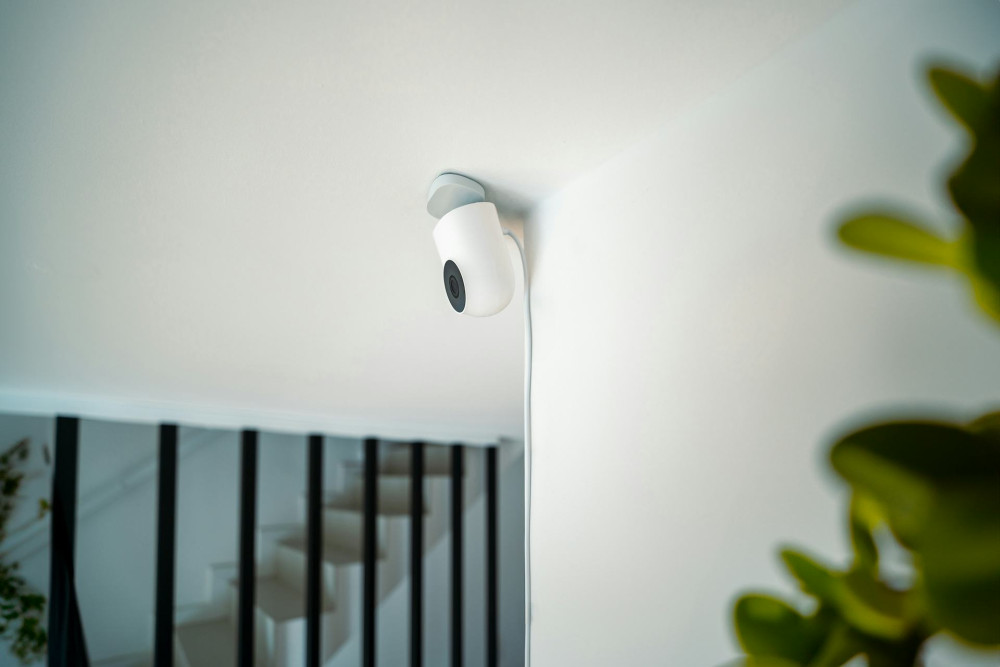
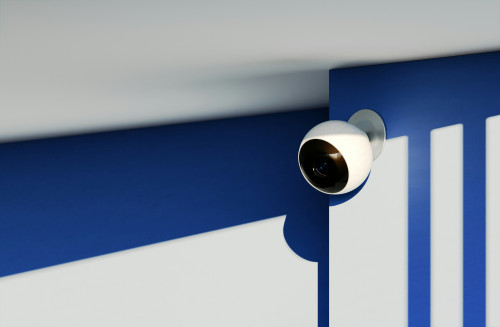
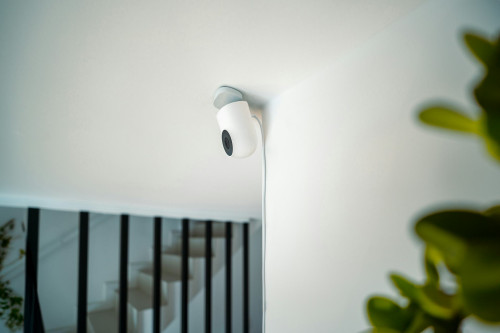
- Indoor cameras – Monitor rooms inside your home and can also be used to check on pets or children.
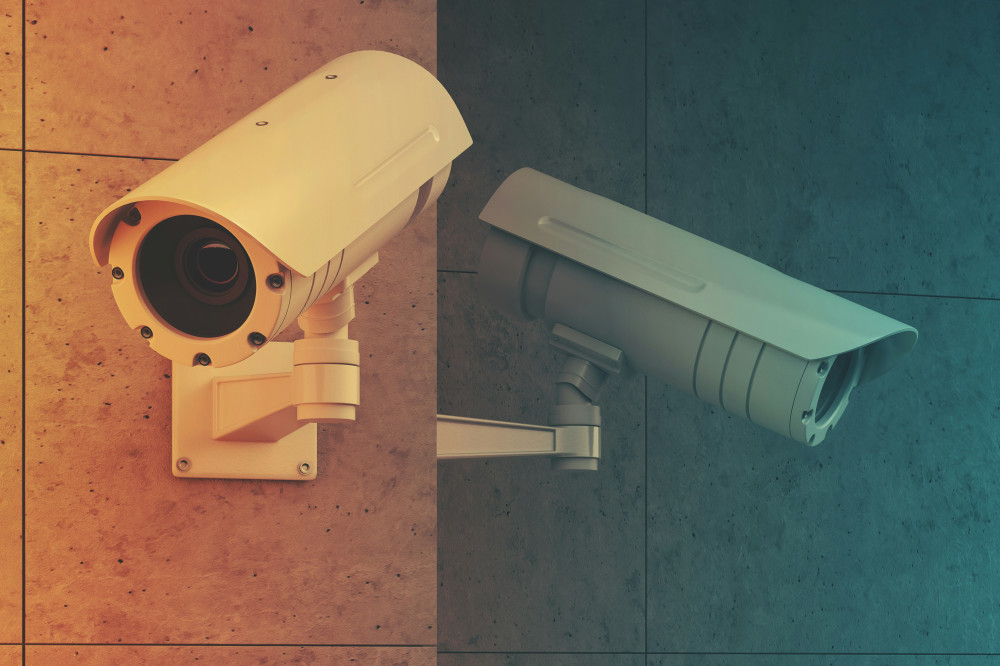
- Outdoor cameras – Keep an eye on entryways, driveways, and yards. Many models include night vision and motion detection.
Most modern cameras connect to your smartphone, allowing you to view live footage and receive alerts when motion is detected. This gives you peace of mind, even when you’re away.
Combined Systems – Complete Protection in One Package
Many security companies now offer integrated systems that combine burglary, fire, and video surveillance in one solution. These systems can often be customized and expanded with additional sensors for water leaks, gas, or temperature changes.
The advantage of a combined system is that all devices work together seamlessly. You can receive alerts about everything from a break-in attempt to a fire—directly on your phone or through a monitoring service.
Læs også:
Which System Should You Choose?
The right alarm system depends on your home type, budget, and how involved you want to be in monitoring.
- If you live in an apartment, a simple burglar alarm with smoke detection may be enough.
- For a single-family home, a system with outdoor cameras and professional monitoring can provide extra security.
- If you want full control, a smart alarm with app integration and home automation features is a great choice.
No matter which system you choose, the most important thing is that it fits your lifestyle—and helps you feel safe and secure in your own home.
Læs også: