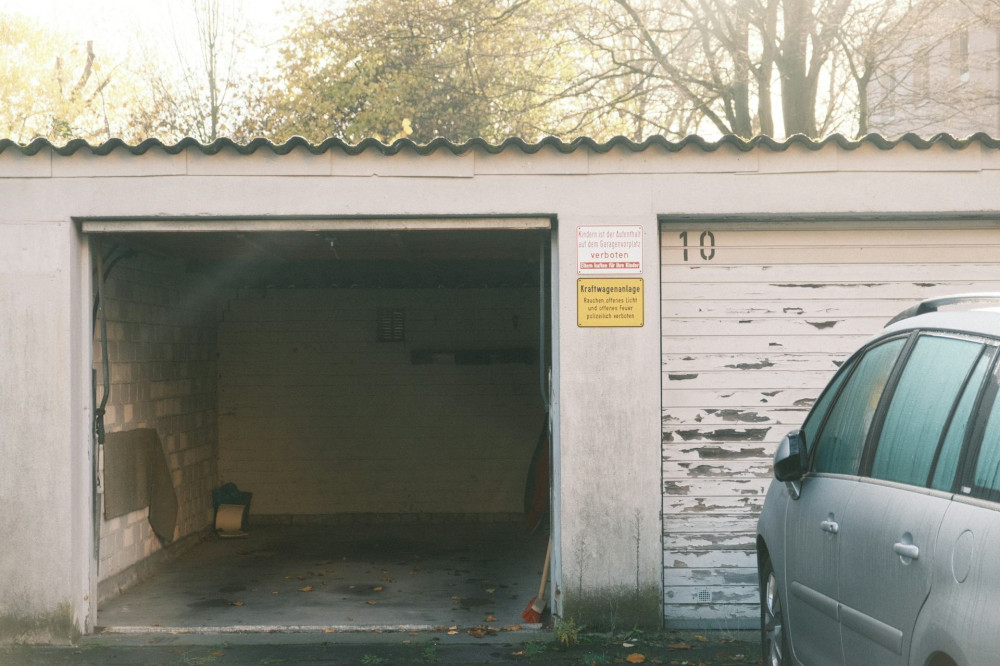
Insulation Materials for Garages – Pros and Cons of the Most Common Solutions


Insulation Materials for Garages – Pros and Cons of the Most Common Solutions
A well-insulated garage can make a big difference – not only for comfort but also for energy efficiency and the longevity of your car and tools. Whether you use your garage for parking, storage, or as a workshop, choosing the right insulation material is key. There are many options available, each with its own strengths and weaknesses. Here’s an overview of the most common insulation materials for garages in the U.S. – and what to consider before you start your project.
Why Insulate Your Garage?
The purpose of insulation depends on how you use the space. If your garage is mainly for parking, insulation helps prevent frost and moisture buildup. But if you spend time there for hobbies or work, temperature control and comfort become more important.
Good insulation can:
- Reduce heat loss, making it easier to maintain a stable temperature.
- Prevent condensation and moisture, which can damage both the structure and your belongings.
- Dampen noise, both from outside and from tools or machinery inside.
- Extend the building’s lifespan, by reducing temperature fluctuations and humidity issues.
Fiberglass Insulation – The Classic Choice
Pros: Fiberglass batts or rolls are among the most common and affordable insulation materials in the U.S. They’re easy to find at home improvement stores, simple to install between wall studs, and offer good thermal and sound insulation. Fiberglass is also non-combustible and works well for attached garages.
Cons: It requires a vapor barrier to prevent moisture problems and can lose effectiveness if it gets wet. Handling fiberglass can irritate the skin and lungs, so protective gear is necessary. It also takes up more space than some modern alternatives.
Best for: Attached garages or those that are heated and used frequently.
Rigid Foam Boards – EPS, XPS, and Polyiso
Pros: Expanded polystyrene (EPS), extruded polystyrene (XPS), and polyisocyanurate (Polyiso) are rigid foam boards that provide excellent insulation in a thin layer. They’re moisture-resistant, making them ideal for concrete walls, floors, and garage doors. XPS and Polyiso have higher R-values per inch than fiberglass, and they’re easy to cut and install.
Cons: These materials are flammable and must be covered with drywall or another fire-resistant layer. They’re also less effective at soundproofing and not environmentally friendly to produce.
Best for: Detached or unheated garages where moisture resistance and space-saving insulation are priorities.
Læs også:



Spray Foam – High Performance in Tight Spaces
Pros: Spray polyurethane foam (SPF) expands to fill gaps and cracks, creating an airtight seal. It offers one of the highest R-values per inch and is excellent for irregular surfaces or hard-to-reach areas. It also adds structural strength and helps block air leaks.
Cons: It’s more expensive than other options and usually requires professional installation. The chemicals used during application can release fumes, so proper ventilation is essential. Once cured, however, it’s safe and long-lasting.
Best for: Garages that need maximum insulation efficiency or have limited wall space.
Reflective or Radiant Barrier Insulation – A Useful Supplement
Pros: Reflective insulation uses aluminum foil layers to reflect radiant heat, making it especially effective in hot climates. It’s lightweight, easy to install, and works well as a supplement to other insulation types, particularly on garage doors or ceilings.
Cons: It doesn’t provide much resistance to conductive heat transfer, so it’s not suitable as the only insulation in cold climates. Its performance depends heavily on proper installation and air gaps.
Best for: Garages in warm regions where the main goal is to reduce heat gain from the sun.
Eco-Friendly Alternatives – Cellulose and Cotton
Pros: Cellulose (made from recycled paper) and cotton (often from recycled denim) are sustainable options with good thermal and sound insulation properties. They’re treated to resist fire and pests and can help regulate humidity. These materials appeal to homeowners looking for greener building solutions.
Cons: They can be more expensive and harder to find than conventional materials. Cellulose is typically blown in, requiring special equipment, and both materials need protection from moisture.
Best for: Garages that are part of eco-friendly homes or used as living or working spaces year-round.
Choosing the Right Insulation
Your choice depends on how you use your garage and your local climate:
- For heated or attached garages, fiberglass or spray foam are strong options.
- For unheated or damp garages, XPS or Polyiso foam boards perform best.
- For sustainable projects, cellulose or cotton insulation is worth considering.
No matter which material you choose, proper installation, moisture control, and ventilation are essential. Even the best insulation can fail if it’s not installed correctly.
A Smart Investment in Comfort and Durability
Insulating your garage isn’t just about keeping it warm in winter or cool in summer. It’s about protecting your property, improving energy efficiency, and creating a more comfortable, usable space. With the right insulation, your garage can become a more functional part of your home – all year round.
Læs også: