Energy Savings as a Family Project

Energy Savings as a Family Project
Saving energy isn’t just about turning down the thermostat or switching off the lights. It’s about changing habits—and that becomes much easier when the whole family is involved. By making energy savings a shared project, you can strengthen family bonds while seeing real results on your utility bills. Here’s how your family can work together to make your home more energy-efficient—without it feeling like a chore.
Start with a Family Conversation
The first step is to get everyone on the same page. Sit down together and talk about why saving energy matters. For some, it’s about protecting the environment; for others, it’s about saving money—or both. When everyone understands the purpose, it’s easier to stay motivated.
Try a quick brainstorming session: Which habits could you change? Which appliances use the most electricity? What can the kids do to help? It could be as simple as turning off lights when leaving a room or taking shorter showers. When everyone contributes ideas, the project becomes a shared mission.
Læs også:
Make It Concrete—and Fun
Energy saving is more rewarding when you can see progress. Create a family plan with small, specific goals. For example:
- Reduce electricity use by 10% over the next month.
- Have a “no-screens night” once a week, where you turn off devices and do something together.
- Hold a friendly competition to see who remembers to unplug the most chargers or turn off the most lights.
Kids love to track results, so post a chart on the fridge to mark your progress. It keeps everyone engaged and turns saving energy into a fun challenge.
Know Your Energy Hogs
Many families are surprised to learn which appliances consume the most power. A quick home audit can reveal where your energy dollars are going.
- Refrigerator and freezer: Keep them away from heat sources, check door seals, and defrost regularly.
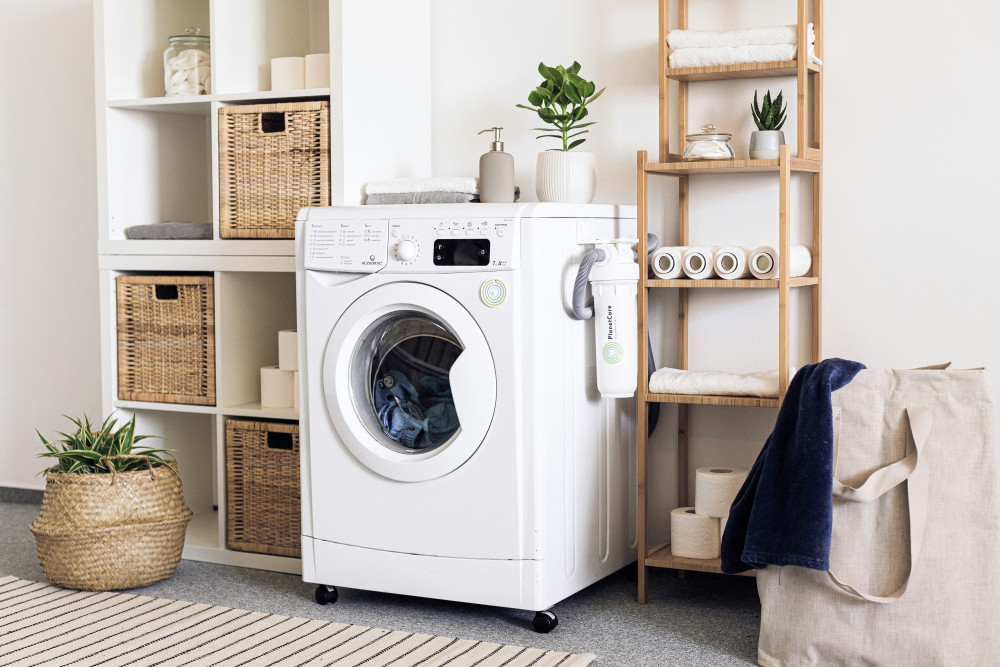
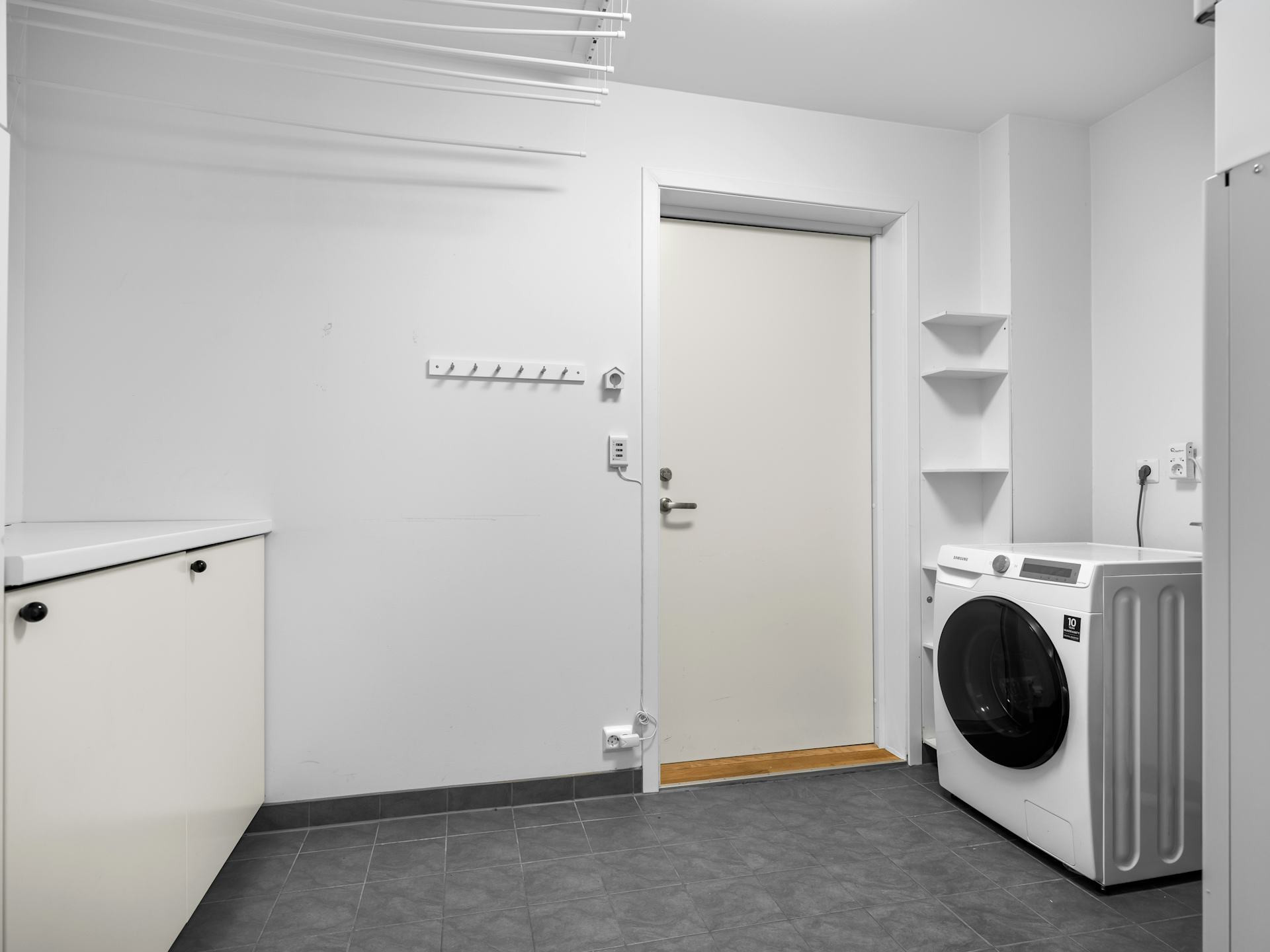
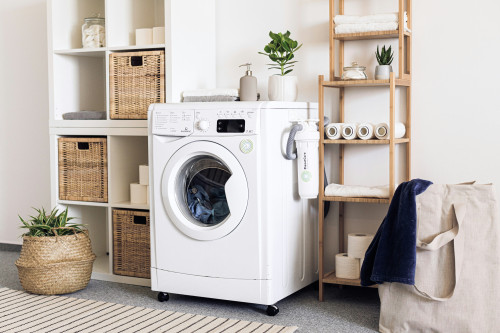
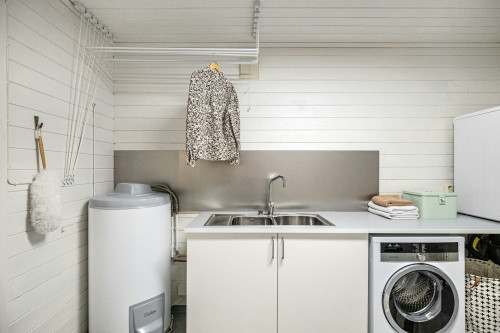
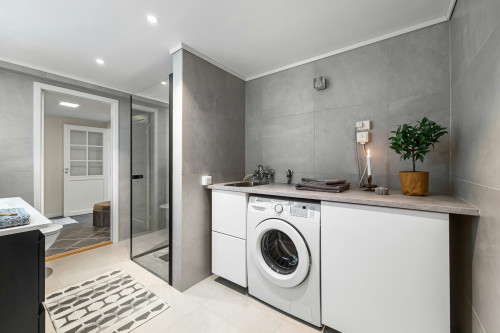
- Washer and dryer: Wash clothes in cold water and air-dry when possible.
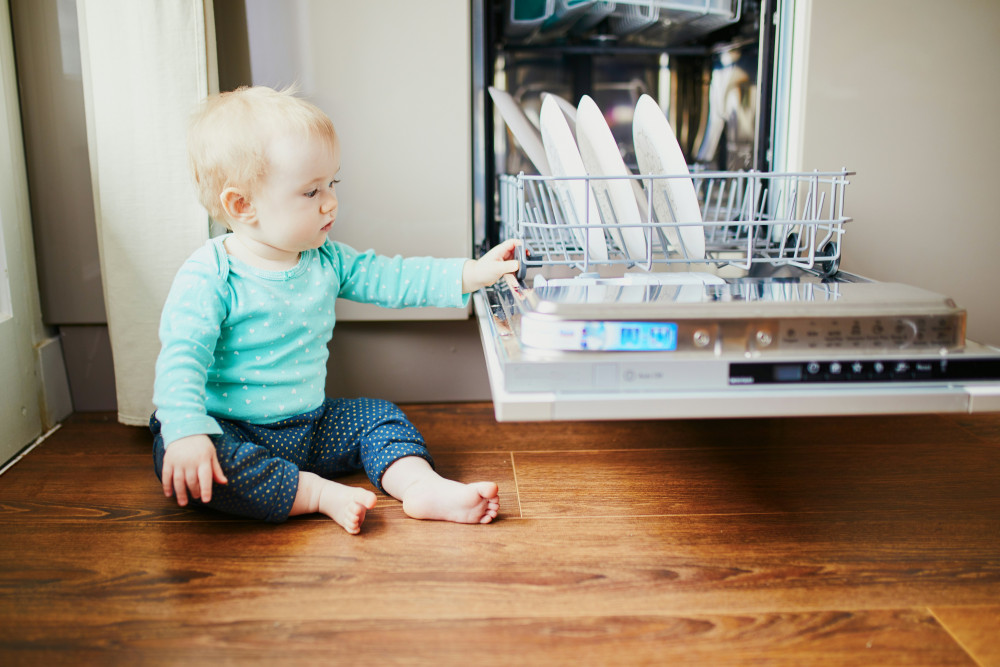
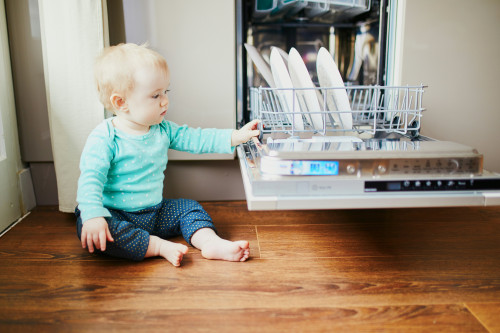
- Dishwasher: Run full loads and use the energy-saving or eco cycle.
- Electronics: Turn off TVs, computers, and game consoles completely—standby mode still uses power.
Tackling one category at a time makes it easier to stay organized and see results.
Get the Kids Involved
Children can be great ambassadors for energy savings when they feel included. Turn it into a game: Who can find the most lights left on? Who remembers to turn off the faucet while brushing their teeth?
You can also make it educational. Explain how electricity is generated and why using less helps the planet. Kids often take pride in knowing their actions make a real difference.
Use Technology to Your Advantage
Modern technology can help you save energy without sacrificing comfort. Smart thermostats, motion sensors, and energy monitors make it easy to track usage and spot opportunities to cut back.
Consider switching to LED bulbs, ENERGY STAR–rated appliances, and programmable timers for heating and lighting. These upgrades may require a small investment, but they pay off quickly through lower bills.
Celebrate Your Success
When you notice your energy bills dropping, celebrate as a family! Cook a special dinner or use part of the savings for a fun outing. Recognizing your progress reinforces that your efforts matter—and keeps everyone motivated to continue.
Saving energy doesn’t have to be dull or difficult. When it becomes a shared family effort, where everyone contributes and sees the benefits, it turns into a natural part of daily life—and an investment in both your household budget and a healthier planet.
Læs også: