Bringing Shade and Structure to Your Backyard With a Custom Pergola
Outdoors
Outdoors
02/07/2026

Bringing Shade and Structure to Your Backyard With a Custom Pergola
Outdoors
Outdoors
02/07/2026
Backyards in hot, sunny climates face a strange contradiction. The outdoor space is the whole reason many homeowners bought the house, but the sun that makes it appealing also makes it hard to actually spend time there for most of the day. A pergola solves that problem in a way that feels architectural rather than temporary, giving a yard defined structure, partial shade, and a real sense of purpose instead of an empty stretch of grass or pavers.
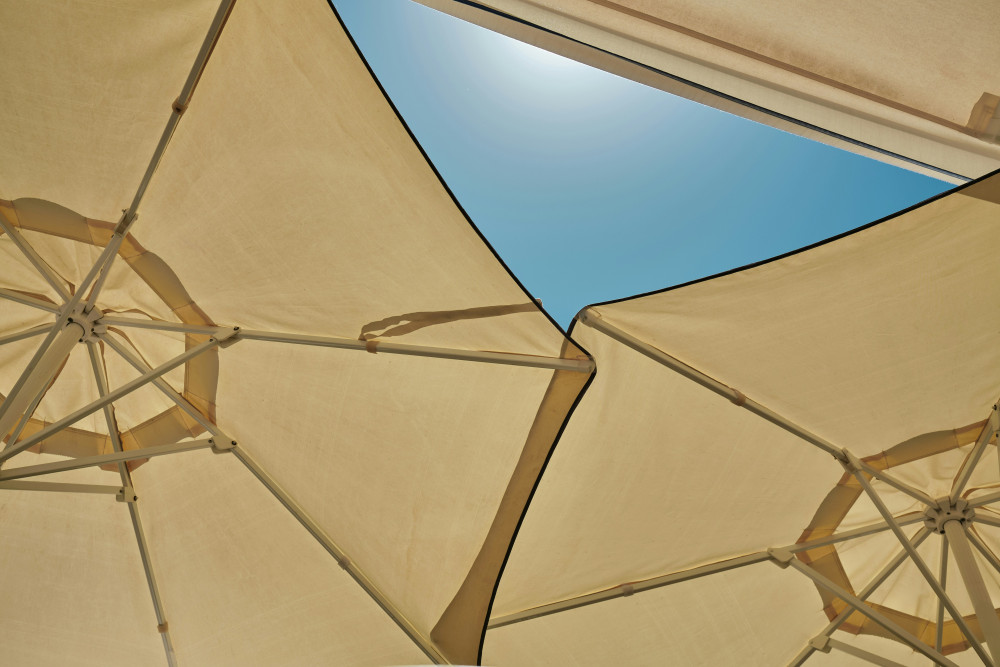
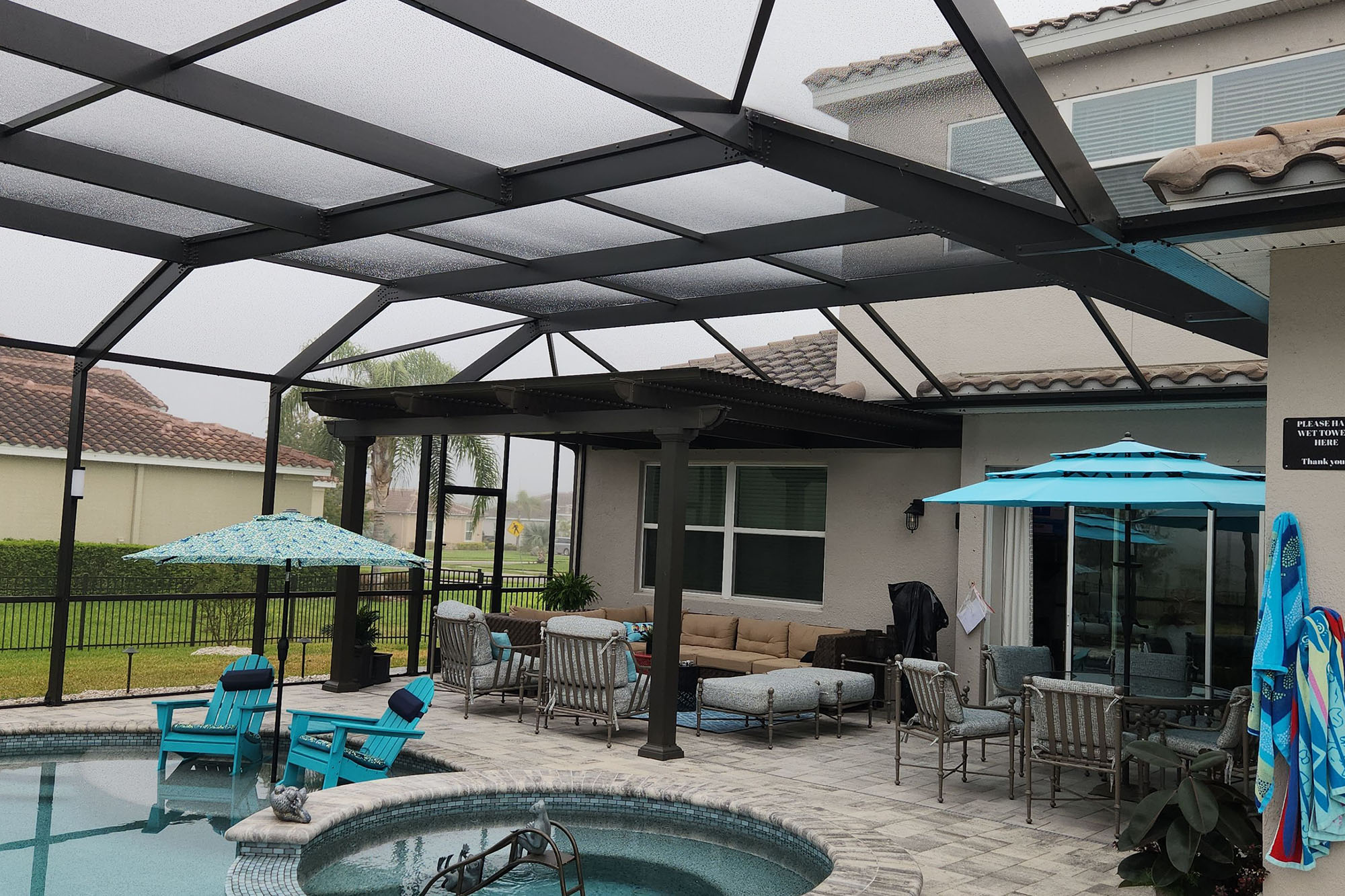 Unlike a simple shade sail or umbrella, a pergola is a permanent structural addition, typically built with a series of posts and an open or semi-open roof made of slats, beams, or louvers. That structure creates a framed outdoor room, one that can anchor a dining set, an outdoor kitchen, a lounge area, or simply a shaded spot to sit without needing full enclosure. The open design also allows airflow to pass through, which matters enormously in climates where humidity, not just heat, makes outdoor spaces uncomfortable for much of the year.
Design options have expanded well beyond the traditional wood lattice most people picture. Aluminum and vinyl structures now offer low-maintenance alternatives that hold up better against humidity, insects, and UV exposure over time, while adjustable louvered roofs let homeowners control sunlight and rain protection depending on the day. Some pergolas are built freestanding in the middle of a yard to create a destination space, while others attach directly to the house to extend the home's existing footprint and create a more seamless transition between indoor and outdoor living.
Unlike a simple shade sail or umbrella, a pergola is a permanent structural addition, typically built with a series of posts and an open or semi-open roof made of slats, beams, or louvers. That structure creates a framed outdoor room, one that can anchor a dining set, an outdoor kitchen, a lounge area, or simply a shaded spot to sit without needing full enclosure. The open design also allows airflow to pass through, which matters enormously in climates where humidity, not just heat, makes outdoor spaces uncomfortable for much of the year.
Design options have expanded well beyond the traditional wood lattice most people picture. Aluminum and vinyl structures now offer low-maintenance alternatives that hold up better against humidity, insects, and UV exposure over time, while adjustable louvered roofs let homeowners control sunlight and rain protection depending on the day. Some pergolas are built freestanding in the middle of a yard to create a destination space, while others attach directly to the house to extend the home's existing footprint and create a more seamless transition between indoor and outdoor living.
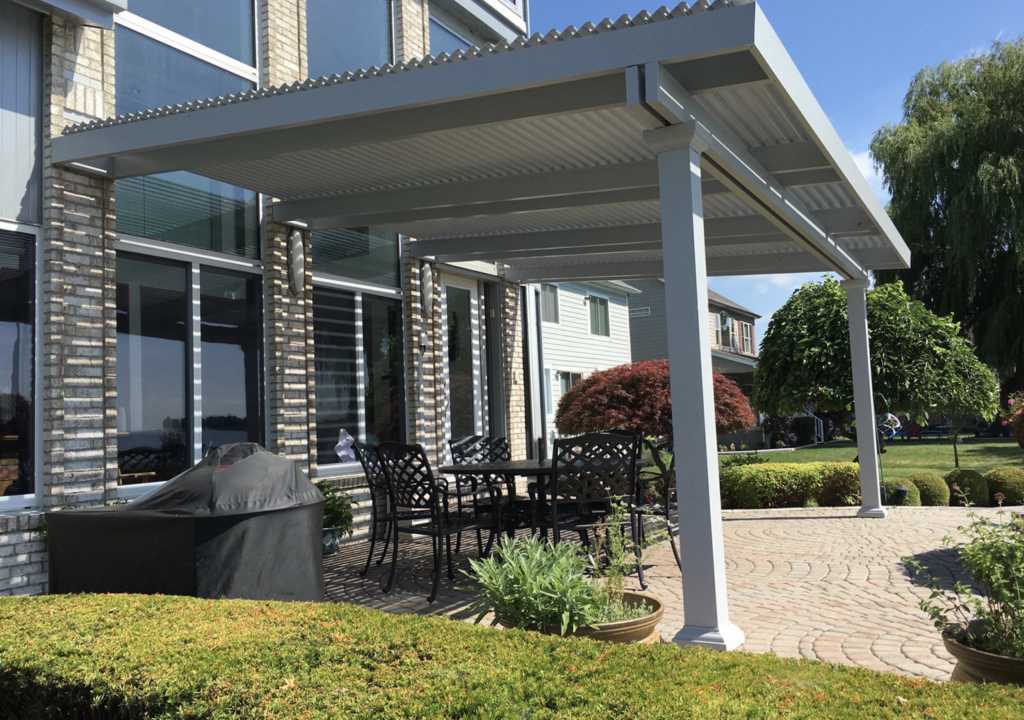 Placement and orientation matter more than most homeowners expect going in. A pergola positioned to block harsh afternoon sun functions very differently than one built primarily for aesthetic framing near a pool or garden bed. Local climate conditions also shape construction decisions, since a structure built to handle strong seasonal winds and heavy rainfall needs sturdier anchoring and materials than one built purely for shade in a milder climate. For homeowners in Florida and other regions with significant storm exposure, working with a contractor experienced in local building codes and wind load requirements, such as those offering pergola Tampa homeowners can rely on for permanent installations, tends to produce a structure that holds up rather than one that needs repairs after the first major storm season.
Beyond function, a well-designed pergola tends to become one of the more heavily used parts of a property once it is finished. It gives a yard a clear focal point, encourages more time spent outside, and often becomes the default spot for everything from morning coffee to weekend gatherings. For homeowners looking to get more daily value out of an underused backyard, a pergola offers a straightforward way to add structure, shade, and character without the scope or cost of a full outdoor renovation.
Placement and orientation matter more than most homeowners expect going in. A pergola positioned to block harsh afternoon sun functions very differently than one built primarily for aesthetic framing near a pool or garden bed. Local climate conditions also shape construction decisions, since a structure built to handle strong seasonal winds and heavy rainfall needs sturdier anchoring and materials than one built purely for shade in a milder climate. For homeowners in Florida and other regions with significant storm exposure, working with a contractor experienced in local building codes and wind load requirements, such as those offering pergola Tampa homeowners can rely on for permanent installations, tends to produce a structure that holds up rather than one that needs repairs after the first major storm season.
Beyond function, a well-designed pergola tends to become one of the more heavily used parts of a property once it is finished. It gives a yard a clear focal point, encourages more time spent outside, and often becomes the default spot for everything from morning coffee to weekend gatherings. For homeowners looking to get more daily value out of an underused backyard, a pergola offers a straightforward way to add structure, shade, and character without the scope or cost of a full outdoor renovation.