Art with Texture: How to Choose Artwork with Depth

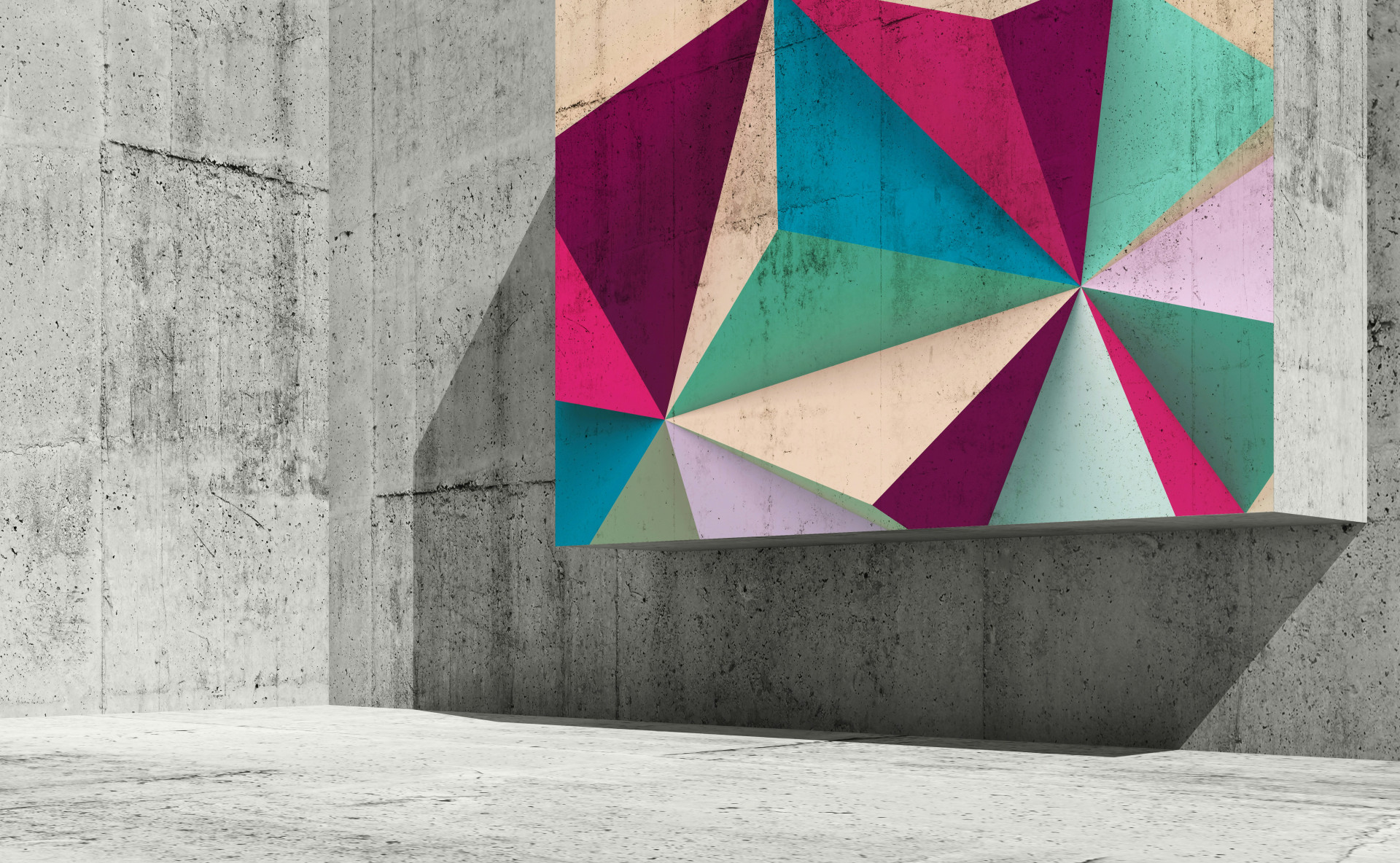
Art with Texture: How to Choose Artwork with Depth
When you walk into a room, the art on the walls often sets the mood. Color, composition, and subject matter all play a role—but texture can be what truly brings a piece to life. A painting with thick brushstrokes, a ceramic relief, or a woven wall hanging can transform a space, adding dimension and warmth that flat images rarely achieve. Here’s a guide to choosing textured artwork that adds depth and personality to your home.
Why Texture Matters
Texture is all about surface quality—whether something feels smooth, rough, soft, or uneven. In art, texture can be both physical and visual. A heavily layered oil painting has a tangible texture, while a photograph of sand or fabric can create the illusion of it.
When you choose art with texture, you add another sensory layer to your space. It catches light differently, creates contrast, and gives the eye something to explore. In a modern home filled with sleek surfaces and clean lines, textured art can introduce warmth and character.
Finding the Right Balance in Your Space
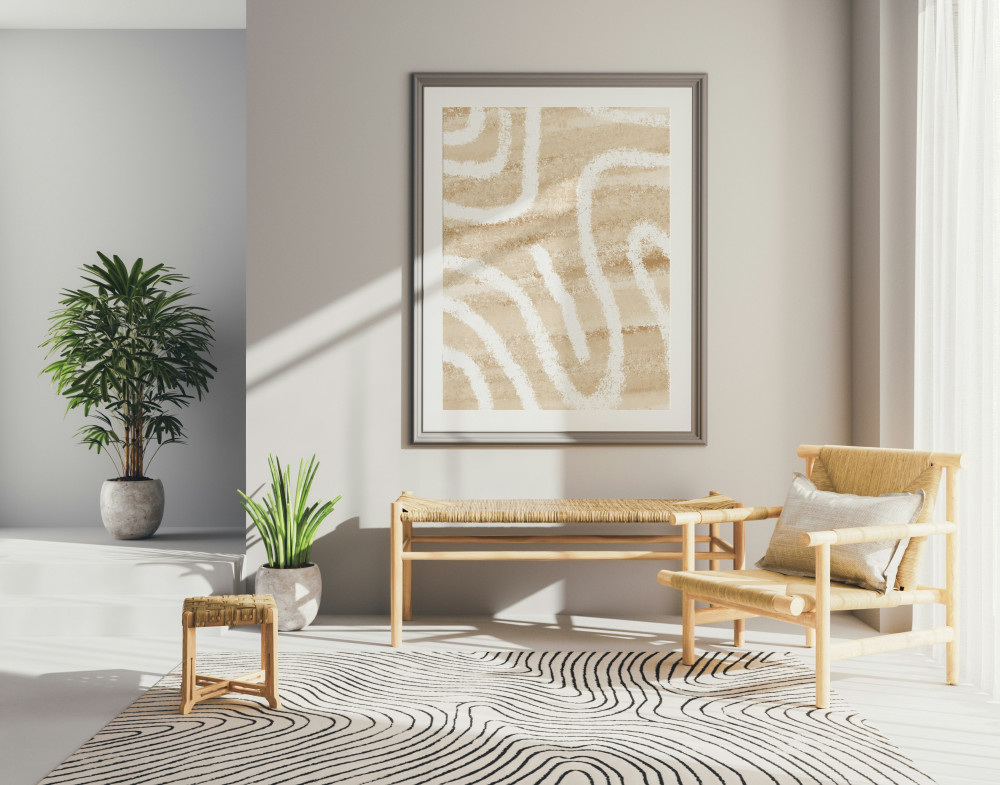
A textured artwork should complement the materials already present in your room. If your space features wood, stone, or textiles, a subtle piece with gentle texture might be enough. On the other hand, a minimalist room can benefit from a bold, tactile piece that breaks up the uniformity.
Lighting also plays a key role. Texture comes alive when it casts small shadows. Placing a piece near a window or under a spotlight allows it to change throughout the day, creating a dynamic effect that keeps the room feeling fresh.
Materials That Add Depth
Artists use many techniques and materials to create texture. Here are some popular options to consider:
- Oil paintings with impasto technique – where paint is applied thickly, making brushstrokes part of the artwork’s expression.
- Mixed media – combinations of paint, paper, fabric, or metal that create layered, tactile surfaces.
- Ceramic reliefs – three-dimensional works that function as both sculpture and wall art.
- Textile art – woven, felted, or embroidered pieces that bring softness and warmth.
- Photographic art with texture themes – images of natural surfaces, architecture, or patterns that play with the illusion of depth.
When choosing materials, think about how they fit the room’s purpose. A textile piece can make a living room feel cozy, while a ceramic relief can add sophistication to an entryway or hallway.
Choosing Art That Speaks to You
Textured art should not only suit your space—it should resonate with you personally. Ask yourself what draws you in: the raw and organic, the soft and sensual, or the structured and geometric?
Take time to view pieces up close. Move around them, notice how the light shifts, and pay attention to your emotional response. Texture is something you experience with both your eyes and your body—and that’s what makes it so powerful.
Læs også:
Combining Texture with Color and Form
A highly textured piece doesn’t need bold colors to make an impact. In fact, neutral tones can emphasize texture even more. Conversely, a colorful piece with subtle texture can bring energy without overwhelming the space.
If you’re hanging multiple works together, play with contrast: a smooth photograph beside a rough relief, or a matte canvas next to a glossy surface. This interplay creates visual rhythm and makes your wall feel cohesive yet dynamic.
Care and Maintenance
Textured art requires a bit of extra care. Dust can settle into crevices, and materials like fabric or clay are sensitive to moisture and sunlight. Use a soft brush or dry cloth to clean, and avoid direct sunlight to preserve colors and surfaces.
If you invest in a valuable piece, ask the artist or gallery for specific care instructions. Proper maintenance ensures your artwork retains its beauty and depth for years to come.
Art You Can Feel
Choosing art with texture isn’t just about aesthetics—it’s about sensory experience. A piece with depth invites you to slow down and engage. It can shift the atmosphere of a room and remind you that art isn’t only meant to be seen, but also felt.
When you find the right piece, you’ll notice it doesn’t just hang on the wall—it becomes part of the room’s heartbeat.
Læs også: